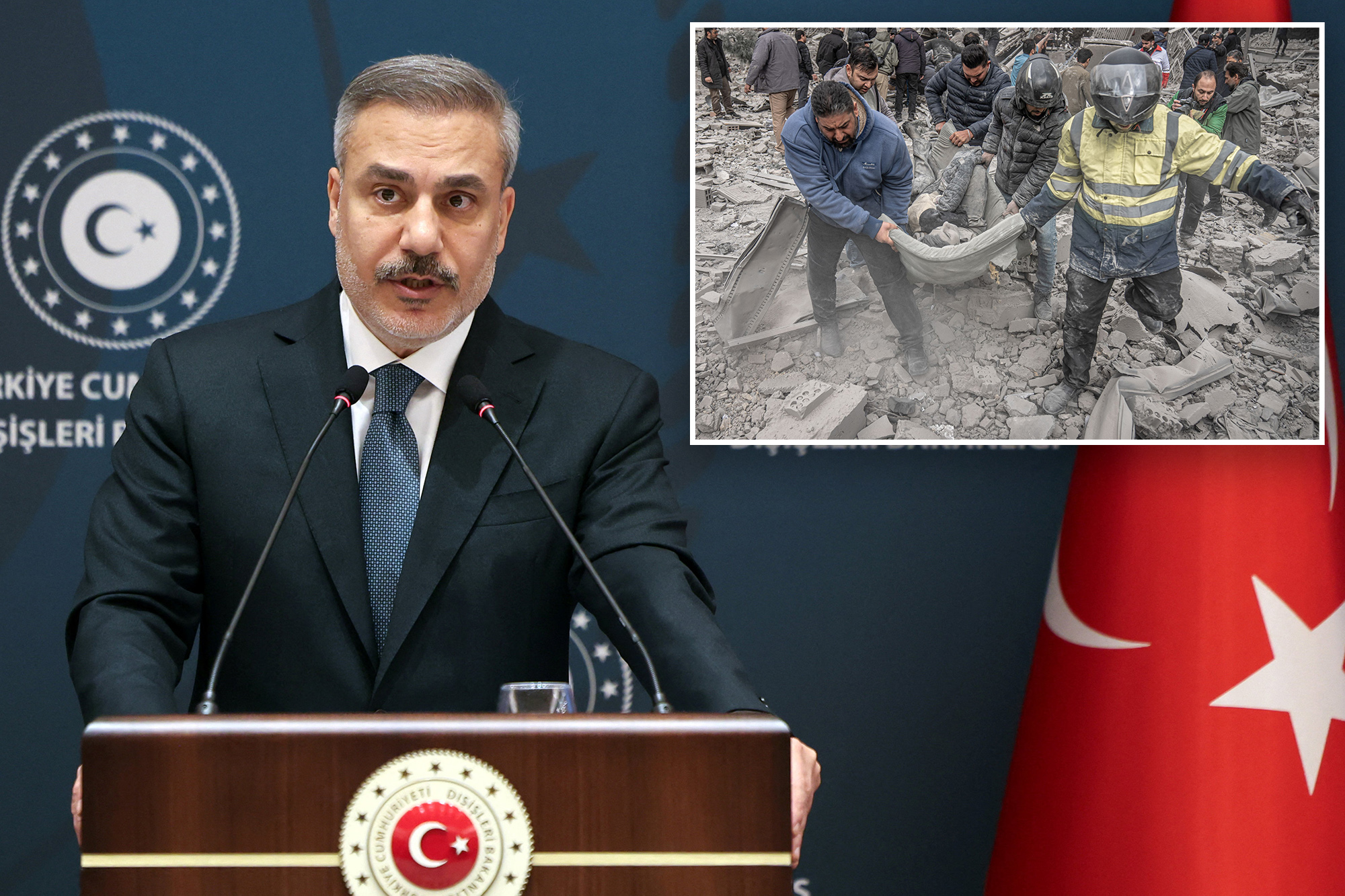
Turkey is actively working with multiple stakeholders to facilitate a resolution to the ongoing conflict in Iran. During a press briefing on March 3, 2024, Turkish Foreign Minister Hakan Fidan emphasized Ankara’s commitment to diplomacy and dialogue, stating that Turkey is in discussions with various parties, including Oman, which shares similar objectives for peace in the region.
The situation escalated dramatically over the weekend when the United States and Israel launched military strikes against Iran. In retaliation, Tehran targeted Gulf states hosting U.S. military bases, while Israel focused its efforts on Iranian-backed Hezbollah positions in Lebanon. Turkey, a member of NATO and a neighboring country to Iran, has previously called for negotiations between Washington and Tehran, particularly regarding Iran’s nuclear ambitions and missile programs. Fidan warned that further destabilization in the region could have dire consequences.
Turkey’s Diplomatic Initiatives
Fidan spoke to members of the Turkish media during a Ramadan fast-breaking dinner, highlighting the importance of maintaining stability in both Iran and the broader region. He stated, “We are sensitively carrying out necessary initiatives with all our counterparts to achieve peace.” He described the negotiation efforts as “multi-layered,” indicating that discussions are ongoing not only with the Europeans but also with the United States and Oman.
The Foreign Minister underscored the urgency of the situation, noting that Gulf nations are currently facing significant challenges. “We are talking to the Omani Foreign Minister. Oman is also still trying to do something there. We are talking to the Americans,” Fidan added, reinforcing Turkey’s role as a mediator.
President Tayyip Erdogan has also voiced strong opposition to the recent military actions against Iran, characterizing them as a “clear violation” of international law. His remarks reflect Turkey’s stance on the need for diplomatic solutions over military interventions.
Potential Regional Consequences
Fidan cautioned that the conflict could expand beyond Iran, potentially affecting global energy supplies. He specifically mentioned the Hormuz Strait, a critical chokepoint where approximately one-fifth of the world’s oil trade transits. He warned that its closure could compel the United States to seek a swift resolution to the conflict.
The Foreign Minister acknowledged Iran’s strategy of attempting to impose costs on the U.S. and its allies through attacks on Gulf states and energy infrastructure. However, he expressed skepticism regarding the effectiveness of this approach. “By bombing these places, Iran will say they should pressure the United States and end the war, but that doesn’t seem like it will happen. I don’t know how much Iran has left,” he stated, suggesting that Iran might instead resort to targeting Israel with missile strikes.
As Turkey continues its diplomatic efforts, the international community watches closely, aware that the conflict in Iran has the potential to destabilize an already volatile region further. With Turkey’s proactive stance and ongoing discussions, there remains hope for a peaceful resolution to the crisis.