








































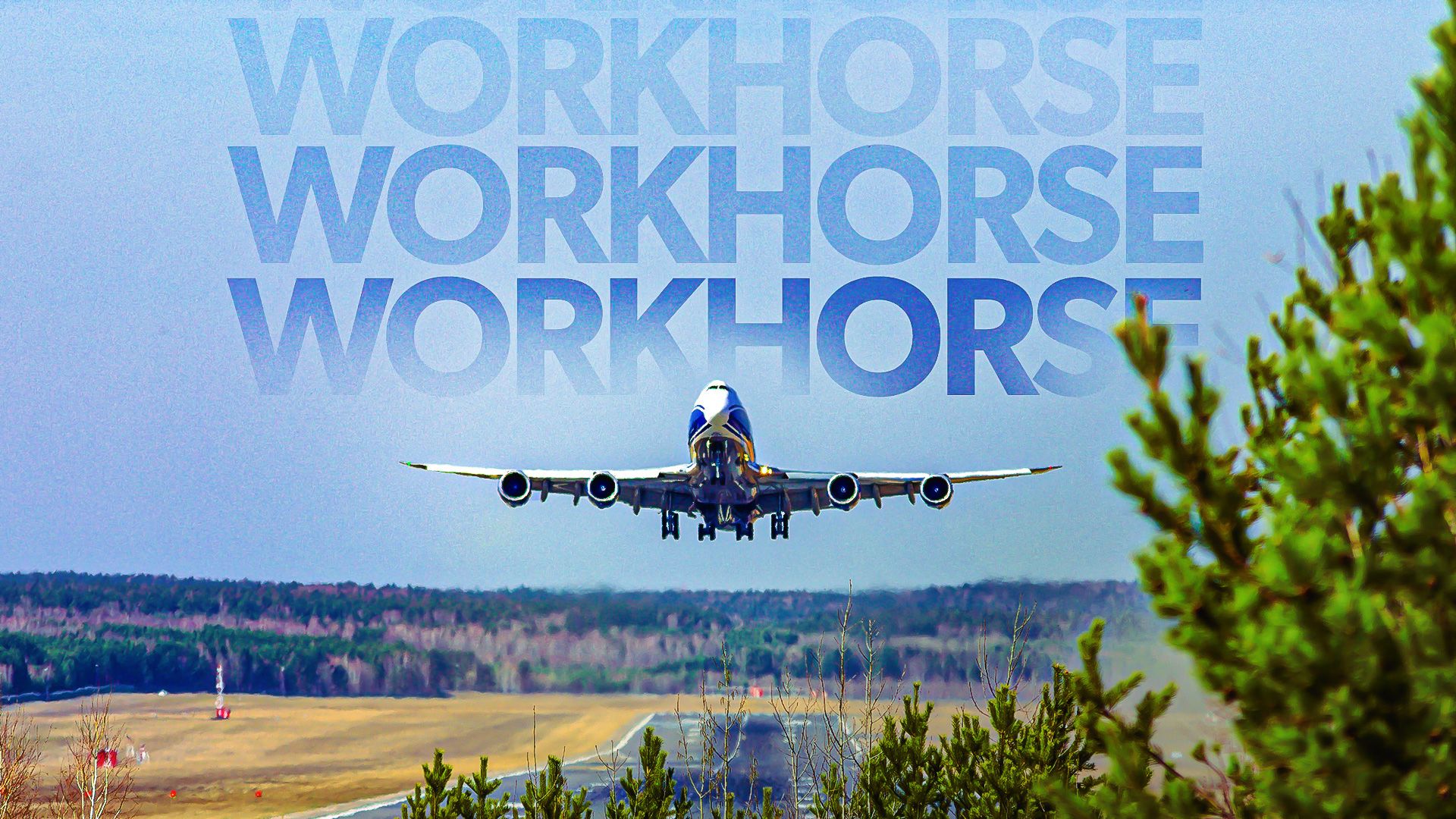
The iconic Boeing 747 has shifted its role from a dominant passenger aircraft to a critical player in global cargo aviation. As of 2026, over 300 Boeing 747 freighters, including the latest model, the 747-8F, continue to play a vital role in transporting goods across long-haul trade routes. Fleet data from Boeing and major cargo operators indicates that these aircraft remain indispensable for logistics, especially due to their unique capability of loading oversized cargo through a hinged nose door.
This article examines the evolution of the Boeing 747 from the world’s first widebody passenger jet, which debuted in 1970, to one of the most significant cargo aircraft ever built. The 747’s journey unfolds in three key phases: its reign in long-haul passenger travel, the development of specialized freighter versions, and its current role in global logistics networks.
The Era of the Boeing 747 in Passenger Aviation
When the Boeing 747 was launched in the 1960s, airlines sought to transport more passengers over long distances while reducing operational costs. The introduction of the 747, the first widebody commercial airliner, revolutionized air travel. With a double-aisle cabin and capacity for over 350 passengers, the aircraft transformed international travel by allowing airlines to offer lower ticket prices and increased accessibility.
The 747 took to the skies with Pan American World Airways on the New York–London route in January 1970. Throughout the 1970s and 1980s, it became the flagship aircraft for numerous airlines, dominating transatlantic and transpacific routes. Its massive fuselage not only accommodated passengers but also provided ample internal space ideal for cargo transport.
Transition to Cargo Specialist: The Evolution of Variants
Over five decades, the Boeing 747 has evolved through several key variants, each introducing enhancements in performance and efficiency. The original 747-100 set the foundation for the series, followed by the 747-200 with improved range and power. The 747-300, introduced in 1983, featured a stretched upper deck, while the 747-400, launched in 1989, incorporated advanced avionics and fuel-efficient winglets.
Alongside passenger variants, Boeing developed dedicated freighters, equipped with structural reinforcements and specialized loading systems. The Boeing 747-200F and subsequent 747-400F were specifically designed for cargo operations, allowing logistics firms to transport oversized and heavy freight efficiently.
The Boeing 747 quickly established itself as an exceptional cargo aircraft. Its large cargo deck, wide fuselage, and substantial doors enabled it to carry shipments that would otherwise require multiple smaller planes. The 747-200F was among the first freighters designed for this purpose, equipped with a nose door for direct loading of lengthy or oversized items, such as heavy machinery.
The Boeing 747-8F: The Ultimate Jumbo Freighter
In response to growing competition from more efficient aircraft, Boeing introduced the 747-8 in the early 2000s. This latest variant features significant aerodynamic improvements, a stretched fuselage, and advanced engines derived from the Boeing 787 program. The 747-8F, the freighter version, was the first of its generation to enter service, showcasing enhanced fuel efficiency, increased cargo capacity, and lower noise emissions.
Each engine produces approximately 66,500 pounds of thrust while achieving better fuel consumption compared to earlier models. The 747-8F can transport multiple pallets across its decks while retaining the ability to load oversized cargo through its nose door. This unique capability makes it particularly suitable for transporting heavy industrial equipment and aerospace components.
Cargo operators continue to rely on the Boeing 747 for its unmatched capacity and flexibility. With over 30,000 cubic feet of cargo volume, the 747-8F allows for significant freight transport in a single flight. Additionally, its nose-loading capability is essential for industries requiring the transport of large components that cannot fit through conventional side cargo doors.
Despite the competition from modern twin-engine freighters like the Boeing 777F, the 747 maintains a unique position in global cargo aviation. Major operators, including Cargolux and Atlas Air, continue to utilize the 747 freighters on long-haul routes connecting vital logistics hubs worldwide.
The production of the Boeing 747 has officially ended, with the final aircraft delivered in 2023. The decline in passenger demand, coupled with the rise of more fuel-efficient twin-engine aircraft, prompted Boeing to cease production. Nevertheless, the 747’s legacy as a cargo aircraft endures, with hundreds still operating globally, facilitating international trade and logistics.
In summary, while the Boeing 747 may no longer dominate passenger travel, it continues to serve as a pivotal asset in the global air cargo industry. The aircraft has successfully transitioned from carrying passengers to transporting pallets, proving its versatility and significance in supporting the world economy.
























