








































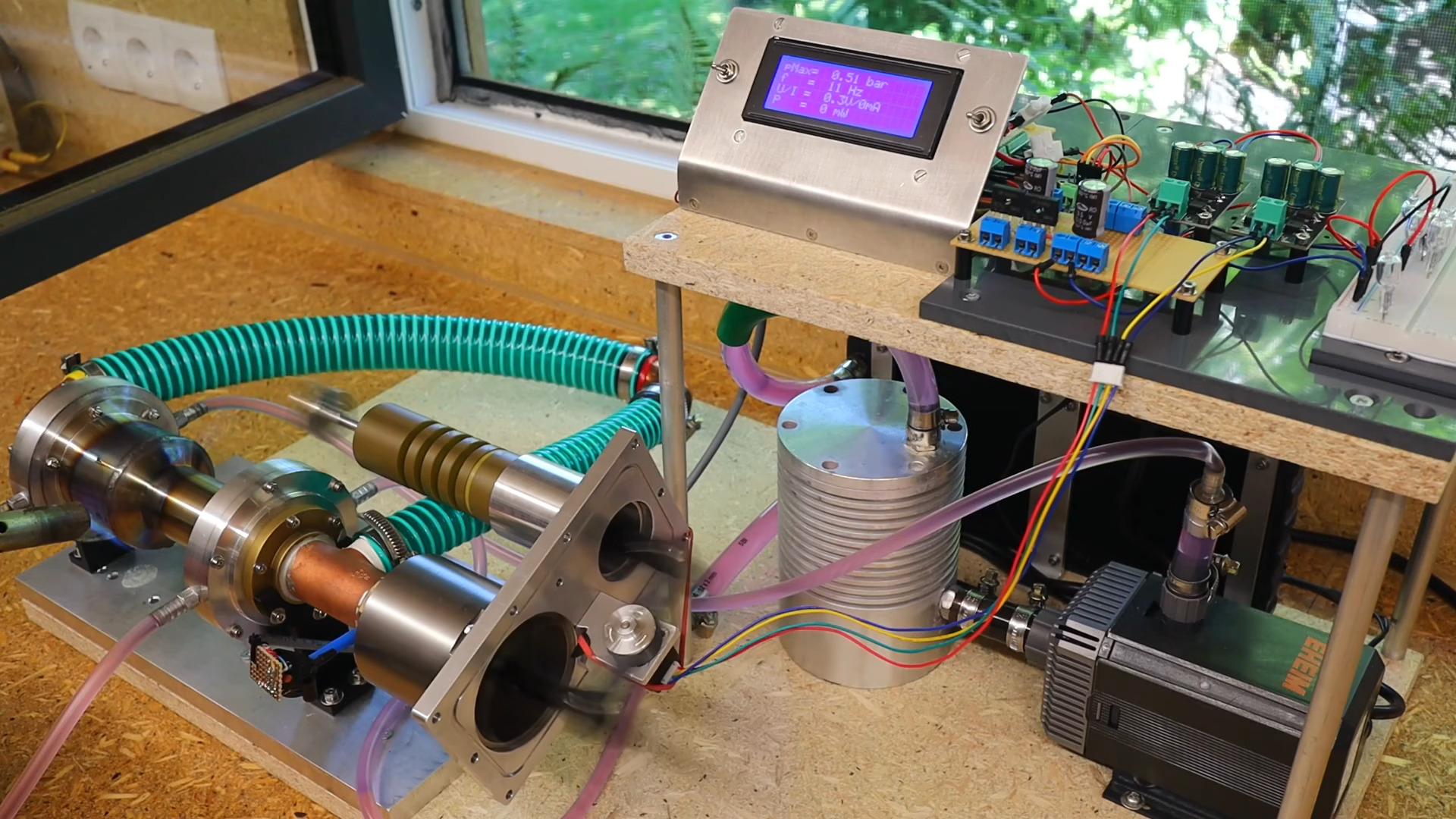
Innovative advancements in energy technology have emerged as My Engines has made significant strides with its thermoacoustic Stirling engine. The plans for this unique engine are now open-source, allowing enthusiasts and engineers worldwide to collaborate and contribute to its development. This initiative aims to accelerate technological progress in the field of energy conversion.
Understanding the concept of a thermoacoustic engine is crucial. Essentially, it transforms heat into high-amplitude sound waves, which are waves of pressure. This process allows the engine to operate with minimal moving parts. While a piston and linear generator are necessary to extract power, the design remains remarkably simple and reliable. This engine can utilize various heat sources, such as burning methane from biogas plants, making it versatile for many applications.
The open-source plans include detailed 3D models and drawings available on a public Google Drive. For those looking for additional guidance, My Engines has committed to producing more instructional videos, enhancing their previous content. Furthermore, a dedicated Discord channel has been established, facilitating communication and collaboration among users and enthusiasts.
While the construction of this thermoacoustic engine may appear complex, it is within the reach of hobbyists and makers. Unlike traditional toy Stirling engines made from simple materials, this design offers a more sophisticated approach to thermoacoustic technology. For those who want to experiment with the principles behind it but find the full design daunting, My Engines suggests a simpler demonstrator model using steel wool and a test tube.
The growing interest in thermoacoustic Stirling engines reflects a broader trend towards sustainable energy solutions. By providing open access to these engineering plans, My Engines encourages a community-driven approach to innovation. This initiative not only has the potential to inspire a new generation of engineers but also to promote practical applications of sustainable energy technologies.
With the excitement surrounding this project, it is clear that thermoacoustic engines could play a significant role in the future of energy production. As more individuals engage with these open-source designs, the potential for collaboration and innovation in the field of energy conversion continues to expand.
























