








































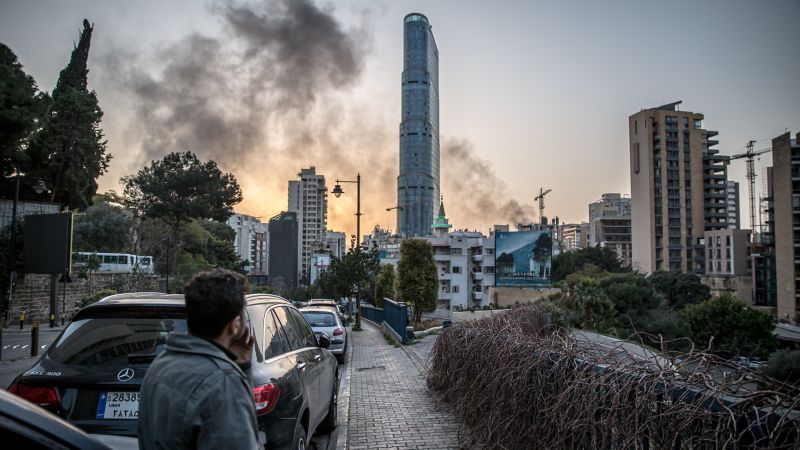
The conflict involving the United States, Israel, and Iran has entered its second week, with significant implications for global oil markets and increasing casualties reported on the ground. Oil prices have surged, while stock markets are facing declines. As tensions escalate, Iran’s new supreme leader has pledged to keep the Strait of Hormuz closed, a vital artery for global oil transportation.
Global efforts to stabilize the situation have included attempts by world leaders to reassure markets and release emergency oil reserves. Despite these measures, the upward trend in oil prices continues unabated, reflecting investor concerns over the ongoing conflict.
Casualties have been mounting as a result of the fighting. In the past 24 hours, the tragic loss of a French soldier in Iraq and the deaths of two academics in Lebanon have been confirmed. Additionally, a US Air Force refueling tanker, which was carrying at least five crew members, has been reported lost over western Iraq, raising alarm over the escalating military engagement in the region.
Continued Military Engagement
The military actions have not ceased, as Israel, Iran, and the Lebanese militant group Hezbollah have been engaged in strikes that continued into Friday. This ongoing exchange of hostilities marks a significant escalation in the conflict, with each party trading attacks as they seek to assert influence over the volatile situation.
As the conflict unfolds, reactions from various governments and organizations signal a deepening concern. Analysts suggest that the combination of military engagement and geopolitical tensions could have lasting effects on the stability of the region.
What’s Next for Washington?
In Washington, officials are closely monitoring the situation, with discussions around potential strategies to address the conflict and mitigate its impact on global markets. The Biden administration is under pressure to respond effectively to the crisis, balancing national security interests with economic considerations.
The international community watches closely, as the implications of this conflict extend beyond immediate military actions, affecting global oil supplies and economic stability. As of March 22, 2024, the situation remains fluid, with developments occurring rapidly.
The ongoing conflict represents a critical juncture in Middle Eastern relations and poses significant challenges for all parties involved. With the stakes at an all-time high, the coming days will be crucial in determining the direction of both the military engagement and broader geopolitical dynamics.
























