








































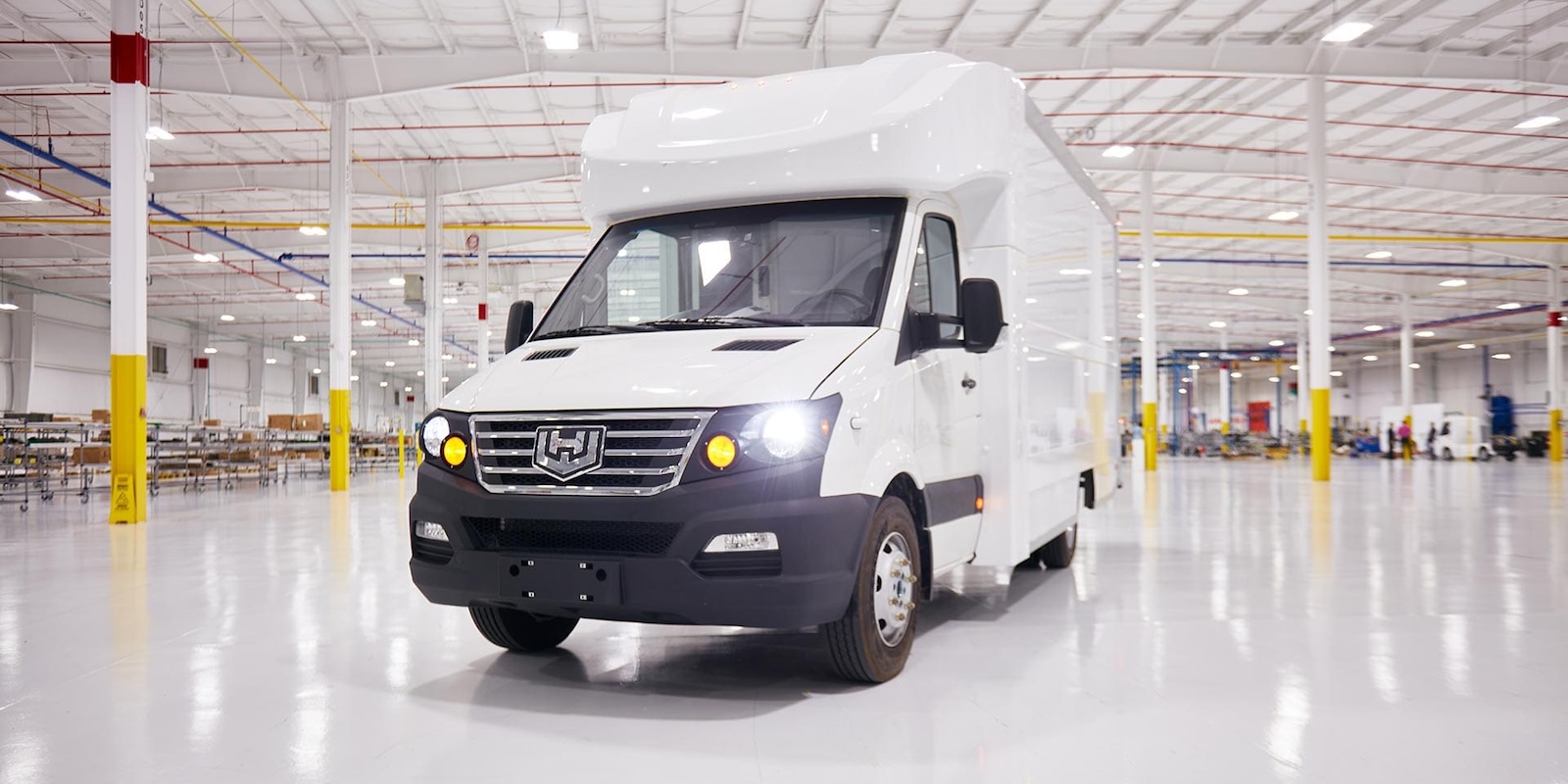
The electric vehicle sector reached a notable achievement last week as the Workhorse Group announced that its commercial fleet surpassed the significant milestone of 20 million miles driven entirely on electricity. This accomplishment reflects the combined efforts of Workhorse and Motiv Electric Trucks, which merged in a deal worth $105 million in late 2022. The merger not only unified research and development efforts but also combined the cumulative mileage of their fleets, predominantly consisting of last-mile delivery vehicles.
The fleet, which consists of approximately 1,100 commercial electric vehicles, is primarily made up of the W56 and EPIC4 models, designed specifically for urban logistics. Scott Griffith, CEO of Workhorse, emphasized the significance of this milestone, stating, “Twenty million miles is a significant threshold which reflects not only the quality and performance of our vehicles, but the trust that our many repeat customers have placed in Workhorse.” He further noted that these vehicles play a crucial role in transporting goods and people, all while contributing to a cleaner environment with zero tailpipe emissions.
Operational Insights and Community Impact
The achievement of 20 million miles is not only a testament to Workhorse’s vehicle performance but also to the operational data gained from its independent logistics provider, Stables by Workhorse. This provider operates a mixed fleet of internal combustion engine (ICE) and battery-electric vans year-round in Ohio, offering valuable insights into the performance of electric vehicles in real-world scenarios. Such hands-on experience allows Workhorse to refine its products and better meet the demands of the delivery market.
Critics have long pointed out the negative environmental and health impacts associated with traditional fossil fuel-powered vehicles. The pollution generated by these trucks disproportionately affects low-income communities and communities of color, particularly in urban areas near highways and warehouses. Long-term exposure to poor air quality is linked to severe health issues, including cardiovascular diseases and respiratory problems, especially in children. By transitioning to electric vehicles, Workhorse not only contributes to reducing air pollution but also addresses these public health challenges directly.
Commitment to Sustainable Transportation
Workhorse’s journey began in 2009 when it took a significant risk to enter the electric vehicle market. The company has since innovated by developing its proprietary operator cab and chassis, known as Argo. As the industry grapples with the legacy of ICE vehicles and their environmental toll, companies like Workhorse are seen as pivotal players in the shift towards sustainable transport solutions.
The success of Workhorse and Motiv Electric Trucks showcases the potential of electrification in the medium-duty segment, which Griffith describes as the “sweet spot” for the future of commercial transportation. As electric miles accumulate, they not only signify progress for the company but also represent a step towards healthier communities.
The achievement of 20 million miles marks a significant moment for Workhorse and its stakeholders, reinforcing the company’s dedication to delivering innovative, environmentally friendly transportation solutions. With continued investment in technology and community awareness, Workhorse is positioned to lead the charge in the ongoing transition to electric mobility.
























