








































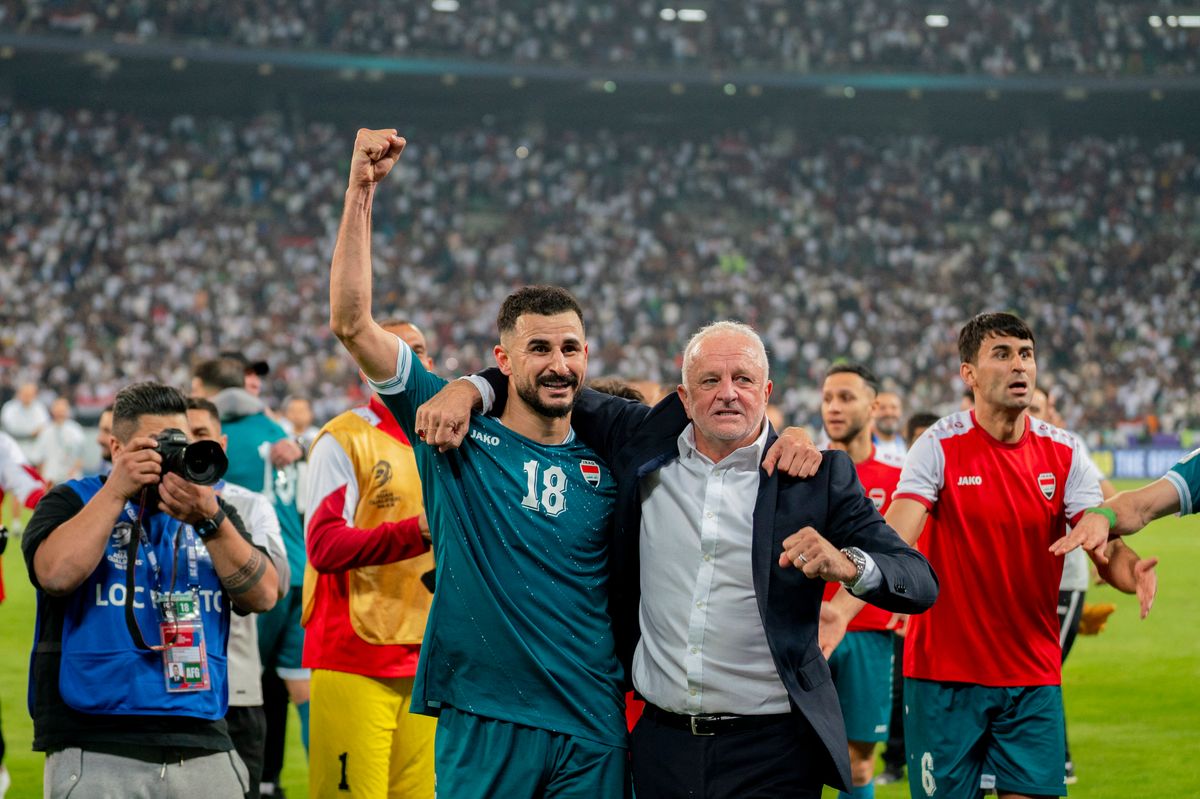
Iraq’s ambitions to qualify for the 2026 World Cup are currently jeopardized as head coach Graham Arnold remains stranded in the United Arab Emirates due to escalating tensions linked to the Iran conflict. The situation has raised significant concerns for Iraq as it prepares for crucial playoff matches scheduled for later this month.
The World Cup, set to take place in the United States, Canada, and Mexico, is expected to be a landmark event in soccer history. As excitement builds around the tournament, various issues have emerged, including Iraq’s difficulties in securing travel arrangements for its coaching and playing staff. In an official statement, the Iraq Soccer Federation confirmed that Arnold cannot leave the UAE, citing airspace closures and the ongoing conflict as hindrances.
Travel Complications and Visa Issues
The federation’s announcement highlighted that several team members, including “professional players, technical and medical staff,” face challenges obtaining entry visas to Mexico, the venue for the World Cup playoff tournament. “Because of airspace closures, our head coach, Graham Arnold, is unable to leave the United Arab Emirates,” the statement read. The federation also noted that many embassies are currently closed, complicating the visa process further. Mexico does not maintain an embassy in Iraq, which adds to the difficulties faced by the team.
Communication has been established between the Iraqi federation and the Mexican embassy in the UAE to streamline visa approvals. The Mexican foreign affairs ministry has requested the names of those traveling to expedite the process.
Implications for World Cup Participation
Iraq is scheduled to face either Bolivia or Suriname in Monterrey, Mexico, on March 31, 2024, for one of the last two qualification spots for the World Cup. The geopolitical situation in the Middle East also casts a shadow over the tournament, particularly concerning Iran’s potential participation. Mehdi Taj, the president of Iran’s soccer federation, expressed skepticism about their chances, stating, “We cannot be expected to look forward to the World Cup with hope.”
Should Iran be unable to compete, it may create an opportunity for Iraq or the UAE, both of which finished as the 9th and 10th-ranked teams in Asian qualifying. Iraq’s continued communication with FIFA regarding its participation is crucial as it navigates these unprecedented challenges.
The complexities surrounding the upcoming World Cup reflect broader regional tensions and the impact of international relations on sports. As Iraq’s soccer federation works diligently to resolve these issues, the hope remains that its team will be able to compete on the world stage later this year.
























