








































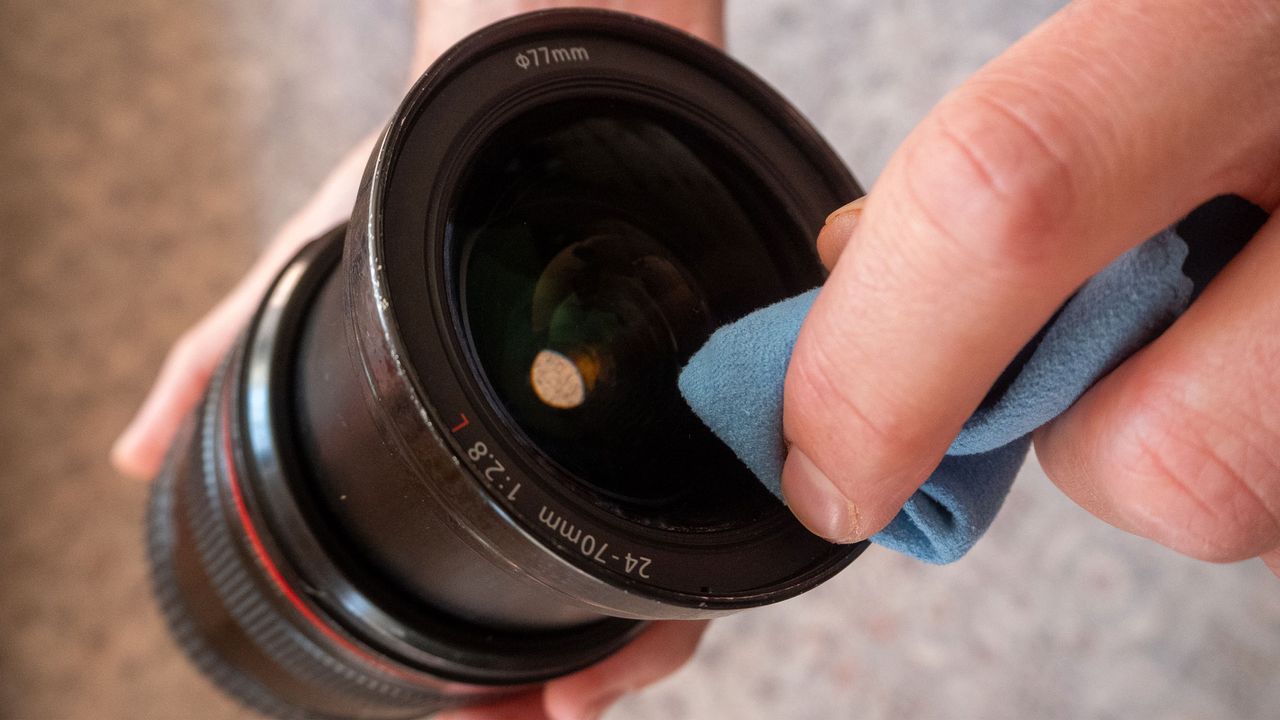
Keeping your camera lens clean is crucial for capturing sharp and high-quality images, especially when photographing the night sky. Dust, smudges, and fingerprints can significantly impact image clarity, leading to blurry or hazy photos. This guide offers effective techniques to clean your camera lens safely, ensuring optimal performance for astrophotography enthusiasts.
Effective Cleaning Techniques
The first step in maintaining your camera lens is to use an air puffer, also known as a blower. This tool helps remove loose dust and debris without direct contact with the lens surface, thus minimizing the risk of scratches. It is advisable to hold the lens at an angle to let dust fall away naturally. Short bursts of air should be used to dislodge particles. Opting for an air puffer instead of blowing air from your mouth is recommended, as saliva can create unwanted smudges. Two notable air puffers are the Giottos Rocket Air Blaster and the VSGO Air Blower, both portable and suitable for travel photography.
If the air puffer does not eliminate all debris, a lens brush is the next best option. Brushes specifically designed for camera lenses feature ultra-soft bristles that gently lift dust without scratching the glass. Natural bristles are preferable for their softness and efficiency in capturing fine dust. Retractable brushes, which often come with lens cleaning kits, help maintain cleanliness when not in use. It is essential to ensure the brush is clean before use and to sweep it across the lens in a circular motion without excessive pressure. The LensPen NLP-1 is a recommended choice, featuring a retractable brush and a cleaning tip.
For stubborn smudges, oils, or fingerprints, a lens cleaning solution paired with a microfiber cloth or cleaning tissue is effective. It is advisable to choose an alcohol-free formula to avoid stripping protective coatings. Similarly, an ammonia-free solution is recommended as harsh chemicals can degrade the lens over time. For convenience, premoistened wipes can be an excellent option when traveling, provided they are stored in an airtight container to retain moisture. When using a solution from a bottle, apply a few drops to the cloth rather than directly to the lens. Clean in gentle, circular motions from the center outward, and use a dry section of the cloth to remove any remaining streaks. The lens cleaning spray from Zeiss is a trusted option, known for its high-quality optics.
Cleaning All Parts of the Lens
While the front glass element is the primary focus during cleaning, other areas of the lens can also accumulate dust and grime. Regular cleaning of both the front and rear lens elements is necessary. Always use front and back lens caps when the lens is not in use to minimize dirt accumulation. For the lens barrel and focus or zoom rings, a dry microfiber cloth suffices for cleaning the exterior. Avoid using liquid cleaners near electronic contacts, as this could seep into the lens housing.
If smudges persist or if there is fungus or internal dust, professional cleaning may be necessary. Reputable services can perform deep cleaning and restoration, which is particularly beneficial for older film lenses or those that have not been used for an extended period. KEH Camera offers comprehensive maintenance packages, while Lensrentals.com provides equipment rental services and expert advice on lens care.
Maintaining a clean camera lens is a routine yet essential task that demands careful handling and the right tools. By utilizing an air puffer, soft-bristled brushes, and safe cleaning solutions, photographers can ensure their equipment stays in optimal condition. Periodic professional cleaning can further enhance the longevity and performance of lenses, making it a wise consideration for serious photographers.
























