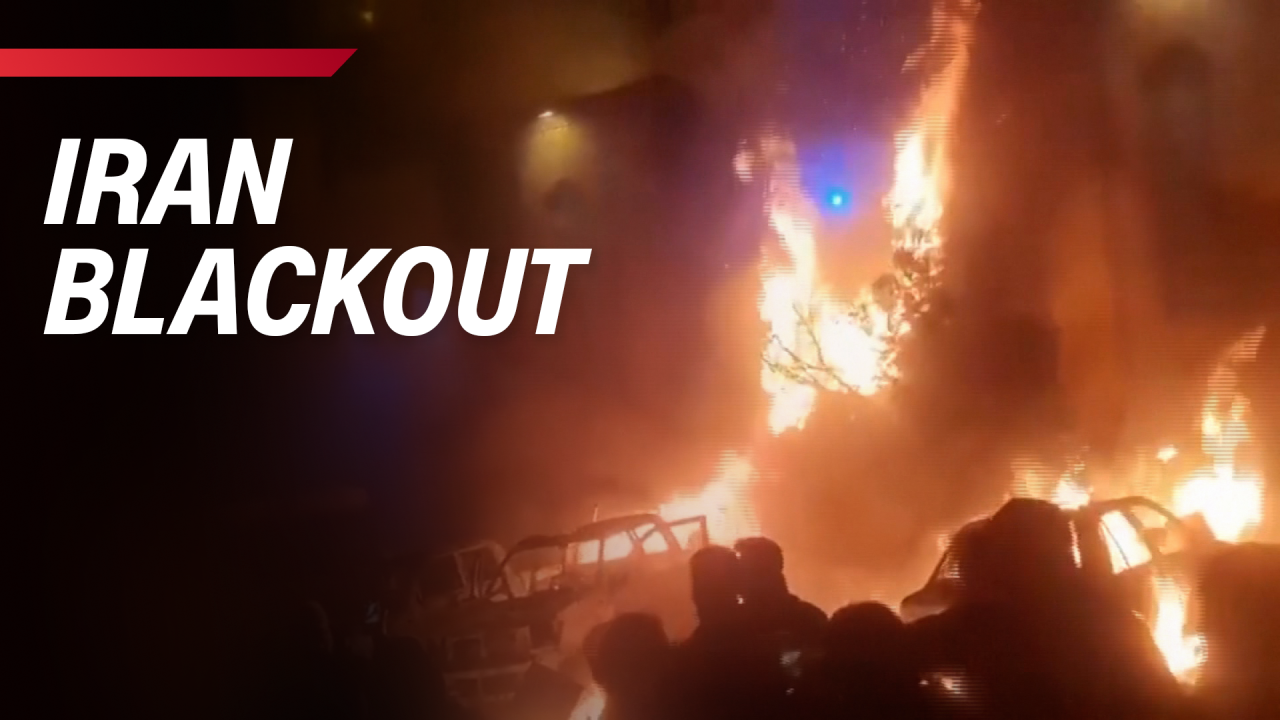
Protests against the Iranian government are entering their second day under an extensive internet blackout, with demonstrators calling for a nationwide strike. The unrest began on December 28, 2023, fueled by rising inflation and widespread dissatisfaction with the ruling authorities. The situation escalated as the government imposed severe restrictions on internet access, limiting communication across the country.
Reza Pahlavi, the son of Iran’s last monarch, has urged citizens to participate in a two-day strike that targets key economic sectors, including transportation, oil and gas, and energy. In a video message posted on X, he encouraged workers to commence the strike on Saturday, marking the beginning of the Iranian workweek. Pahlavi’s call comes during a time of significant unrest, as protests have persisted for more than a week.
“I also ask all of you… to come into the streets with flags, images, and national symbols and to reclaim public spaces as your own,” Pahlavi stated. He emphasized the need for demonstrators to seize control of city centers, asserting that the protests on Friday conveyed a powerful message to the Iranian leadership.
Despite his prominence in the Iranian diaspora, it remains uncertain how widely Pahlavi’s message resonates within Iran itself. He was only 16 years old when the 1979 Islamic Revolution ended his father’s 40-year reign. Since then, he has lived in exile, representing the historical lineage of the Pahlavi dynasty.
Internet Blackout Impacts Communication
The internet blackout enforced by Iranian authorities has now surpassed 36 hours, according to the digital rights organization NetBlocks. The restrictions were put in place following mass protests in the capital, Tehran. NetBlocks reported that as of 08:00 local time on Saturday, the blackout severely limited Iranians’ ability to connect with friends and family and stay informed about ongoing events.
In a post on their Telegram channel, NetBlocks highlighted the challenges faced by citizens trying to communicate: “Metrics show the nationwide internet blackout remains in place at 36 hours, severely limiting Iranians’ ability to check on the safety of friends and loved ones.”
The protests, which began in late December, reflect deep-seated frustrations regarding economic conditions and the Iranian government’s handling of civil unrest. Demonstrators have expressed their anger not only at rising prices but also at the government’s oppressive security measures.
As the situation evolves, the world watches closely, aware that the events unfolding in Iran could have lasting implications for the region and beyond.