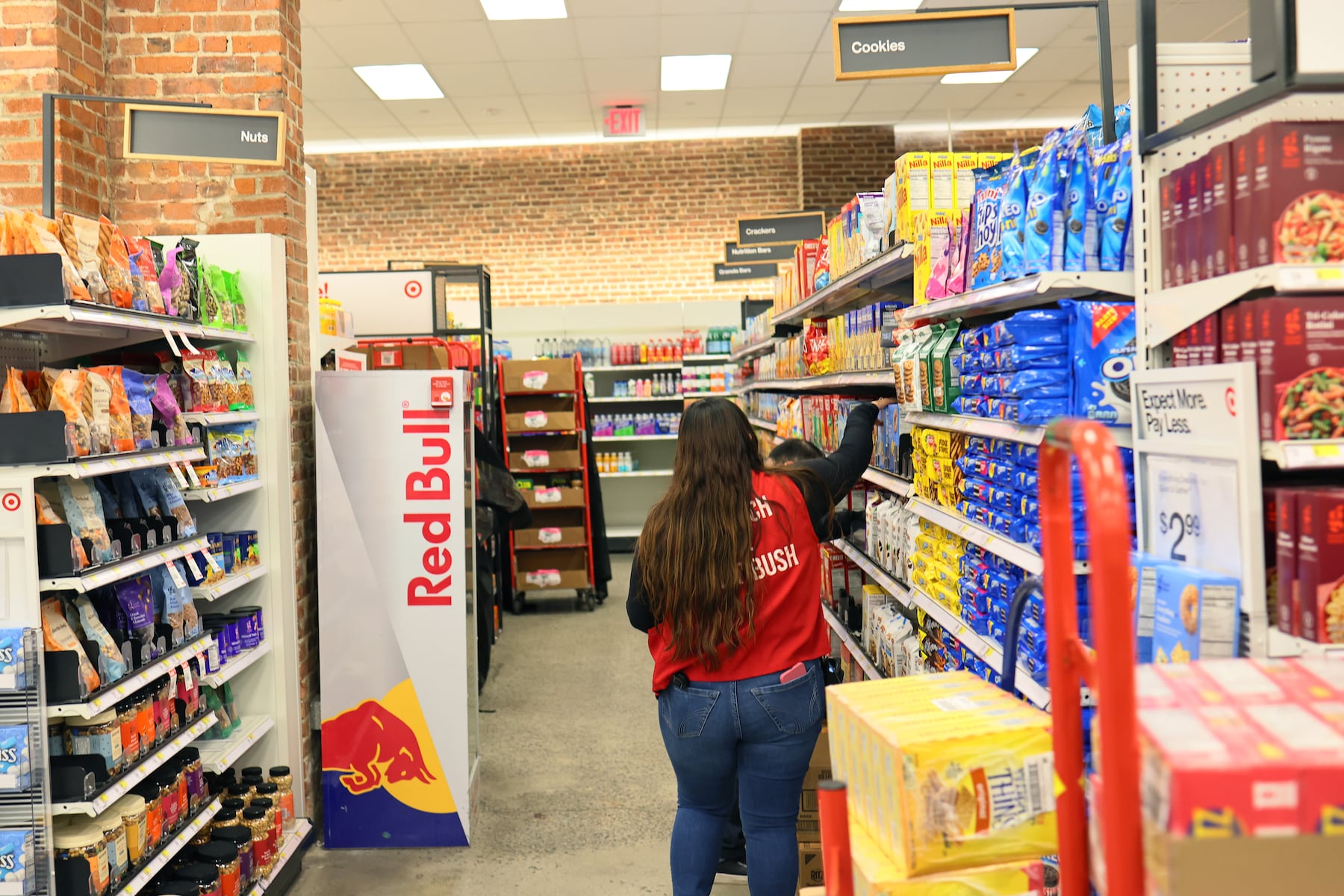
As families in New Jersey prepare for the holiday season, many are facing increased financial strain due to rising costs attributed to federal tariffs. In response, Assemblywoman Annette Quijano has introduced legislation aimed at enhancing transparency around these tariffs and their impact on consumer prices. The proposed bill, known as the “Tariff Transparency Act” or A5922, seeks to inform shoppers about how much of a product’s price is influenced by tariffs imposed by the previous administration.
Quijano highlights the struggles of families in her district, who are grappling with choices about which bills to pay amidst rising prices. She notes that seniors on fixed incomes are particularly affected, as their budgets increasingly fail to cover everyday necessities. “These are hardworking people—parents who want to provide for their children—and yet their ability to do that is being strained in ways that are both heartbreaking and unacceptable,” Quijano emphasized.
Legislative Details and Consumer Impact
The Tariff Transparency Act would require retailers to disclose the portion of a product’s price that results from federal tariffs. This information could be displayed on price tags, product pages, or receipts, allowing consumers to understand the true cost of their purchases. According to Quijano, this initiative aims to combat what she describes as “hidden taxes” that disproportionately affect working-class families.
Quijano pointed out that items such as groceries, clothing, and home goods have seen price increases due to tariffs implemented during the Trump administration. She stated, “These tariffs raise the cost of groceries, clothing, home goods, and many of the everyday necessities that families rely on.”
In terms of implementation, the bill would exempt retail establishments with annual revenues under $500,000 and products where the tariff impact is below 2% of the retail price. Compliance would be phased in over a year, starting with voluntary participation before becoming mandatory for larger retailers.
The Financial Burden on Families
The financial burden of these tariffs is significant. A report from LendingTree.com estimates that tariffs could add an additional $40.6 billion to holiday shopping costs in 2024, translating to an extra $132 per shopper. “The holiday season should be a time of joy, but this year everything from Christmas tree decorations to apparel are being impacted by these tariffs,” Quijano stated.
Quijano’s legislation is seen as a necessary step toward addressing the concerns of New Jersey families who feel the effects of rising prices acutely. She aims to ensure that families understand the financial implications of tariffs on their everyday lives. “Transparency will not solve every problem, but it is a necessary first step toward restoring fairness and dignity to household budgets,” she asserted.
In her role as an Assemblywoman representing Union County in the 20th Legislative District, Quijano continues to advocate for policies that support working families. As the holiday season approaches, she reassures her constituents that their struggles are recognized and that efforts are underway to alleviate their burdens.