The United States announced a commitment of $2 billion in humanitarian aid to the United Nations on March 4, 2024. This pledge represents a significant reduction in the country’s foreign assistance, aligning with the Trump administration’s ongoing efforts to reform how international aid is distributed and managed.
The new funding will serve as a central pool from which the United Nations can allocate resources to individual agencies and priorities. U.S. officials emphasize this approach as a means to maintain the country’s status as the world’s largest humanitarian donor while enforcing necessary reforms within the UN system. This announcement follows a trend of reduced U.S. contributions, which have traditionally been much higher; in recent years, U.S. aid has reached as high as $17 billion annually, although only $8-$10 billion of that has been classified as voluntary contributions.
Impacts on Humanitarian Agencies
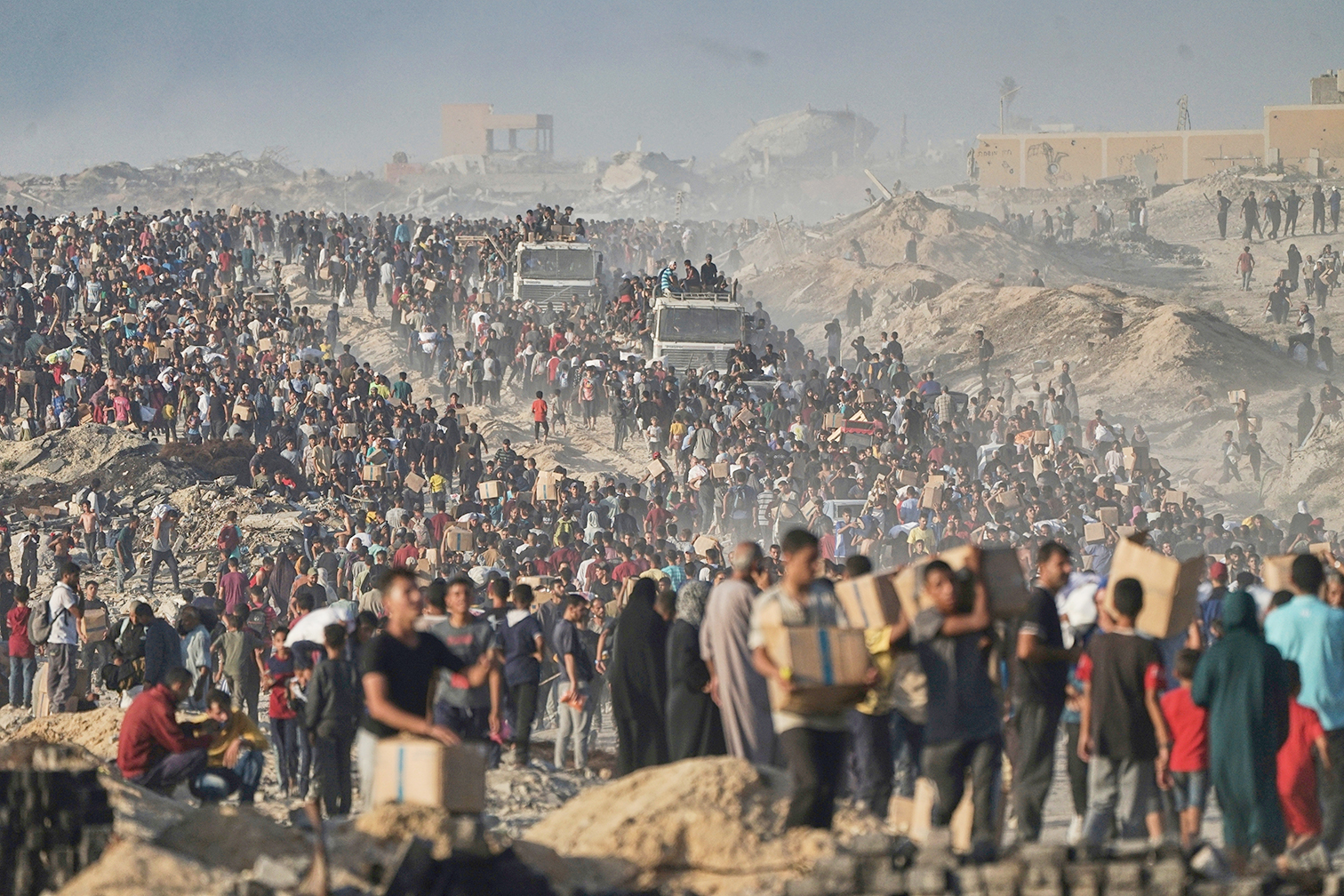
This funding decision comes at a critical time for numerous UN organizations, including the International Organization for Migration and the World Food Program. These agencies have already faced substantial cuts in U.S. funding this year, significantly impacting their operations. The U.S. Agency for International Development has reported that the current aid landscape is characterized by increased needs globally, with famine conditions reported in conflict-affected regions like Sudan and Gaza.
Tom Fletcher, who leads the U.N. Office for the Coordination of Humanitarian Affairs (OCHA), is tasked with overseeing the distribution of the new funds. Fletcher has previously advocated for a “humanitarian reset” aimed at improving efficiency within UN operations. U.S. Ambassador to the United Nations, Michael Waltz, stated that the goal is to achieve “more focused, results-driven assistance” that aligns with U.S. foreign policy.
According to reports, the U.S. funding will target at least 17 countries, including Bangladesh, Congo, Haiti, Syria, and Ukraine. Notably, Afghanistan and the Palestinian territories have not been included in this initial allocation, though officials have indicated that separate funds may be designated for those areas.
Concerns and Criticism
Critics argue that the reduction in aid is shortsighted, potentially exacerbating crises related to hunger, displacement, and disease. They warn that diminished humanitarian support may undermine the U.S.’s influence and soft power on the global stage. The recent cuts come after a year marked by significant challenges for UN agencies, which have had to scale back their programs and workforce due to reduced funding.
In a statement, the U.S. State Department highlighted the need for systemic changes within the UN, asserting that agencies must “adapt, shrink, or die.” The emphasis is on consolidating humanitarian functions to minimize bureaucratic waste and duplication of efforts, aiming to create a more streamlined approach to aid delivery.
As the global humanitarian situation becomes increasingly dire, the implications of this funding change will likely be felt across the world. The United States’ new approach to aid distribution aims to set a precedent for future humanitarian engagements, balancing a commitment to generosity with the need for reform.
Fletcher acknowledged the challenges ahead, stating that the U.S. is demonstrating its role as a “humanitarian superpower” during a time of immense global strain. The unfolding situation will require careful monitoring as the international community navigates these significant shifts in humanitarian support.