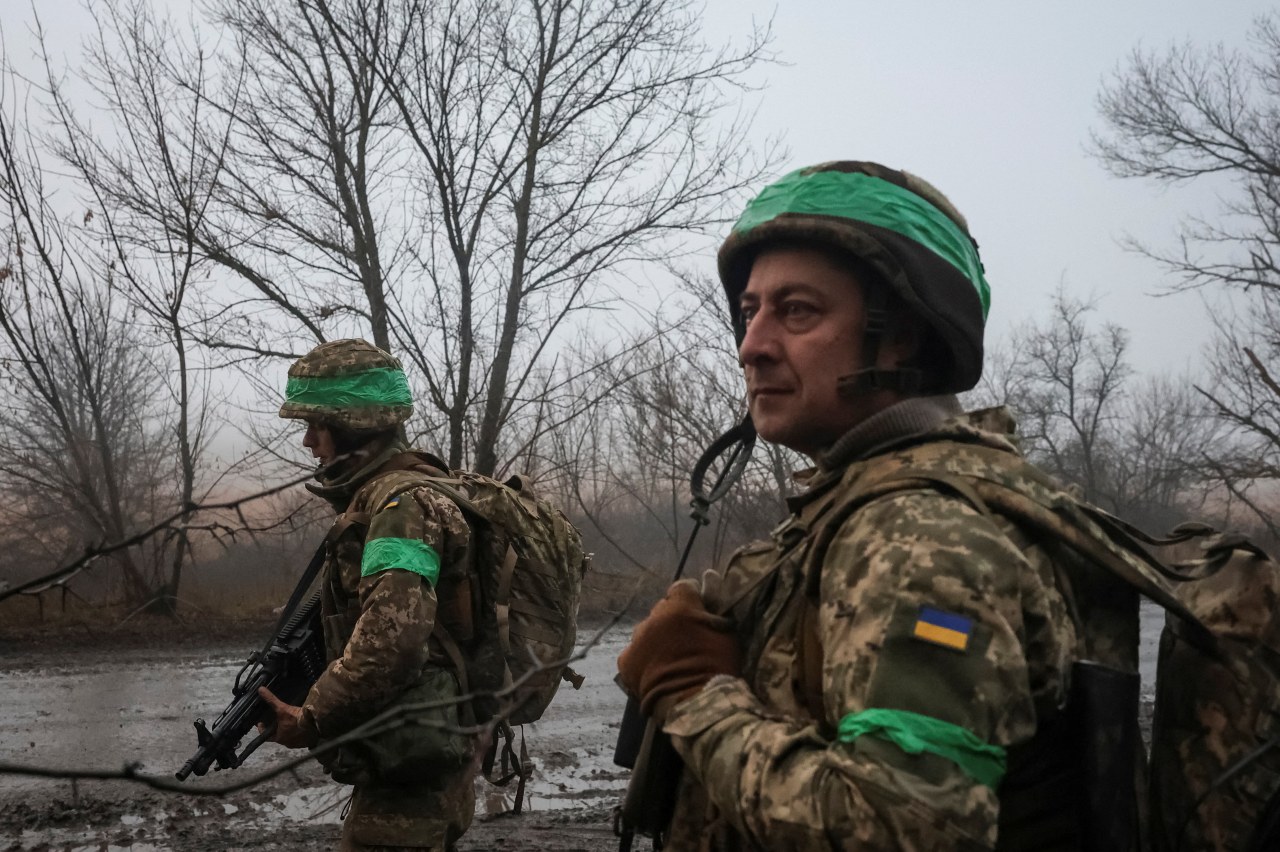
Ukrainian officials recently outlined a vision for peace during discussions with former President Donald Trump, as tensions over territorial disputes continue to escalate. The meeting, which is set to take place this weekend, involves key European leaders who are keen to facilitate dialogue between the parties involved, including Ukrainian President Volodymyr Zelensky.
European leaders are advocating for a collaborative approach to address the ongoing conflict, which has seen significant military and humanitarian implications since its onset in 2014. They are pushing for Trump to exert influence on Zelensky, emphasizing the need for a diplomatic solution that could potentially stabilize the region.
Despite these efforts, the situation remains fraught with complexity. Ukraine has long sought international support to reclaim territories occupied during the conflict, particularly in the eastern regions. As discussions progress, the territorial issues are expected to be a focal point, with Zelensky insisting on Ukraine’s sovereignty and territorial integrity.
In the context of these talks, European leaders are aware of the potential volatility of the situation. They aim to present a united front in encouraging both Zelensky and Trump to engage in constructive dialogue. The involvement of Trump, a prominent figure in U.S. politics, adds an interesting dynamic, given his previous administration’s policies towards Ukraine and Russia.
The proposed discussions come at a critical juncture. On one hand, Ukraine is navigating its path towards securing support from Western allies, while on the other, Trump appears to be advocating for a tougher stance against Zelensky, urging him to make concessions. This contrast in approaches highlights the delicate balance that leaders must navigate in seeking a resolution.
Officials in Kyiv express cautious optimism about the potential for productive talks. They hope that with the right framework, an agreement could be reached to halt hostilities and foster a sustainable peace. The international community’s role will be crucial in facilitating these discussions, ensuring that the voices of those affected by the conflict are heard.
As the weekend approaches, the world watches closely. The outcome of these discussions could significantly impact not only Ukraine’s future but also the broader geopolitical landscape in Eastern Europe. The stakes are high as leaders from various nations converge to advocate for peace and stability in a region marked by longstanding strife.