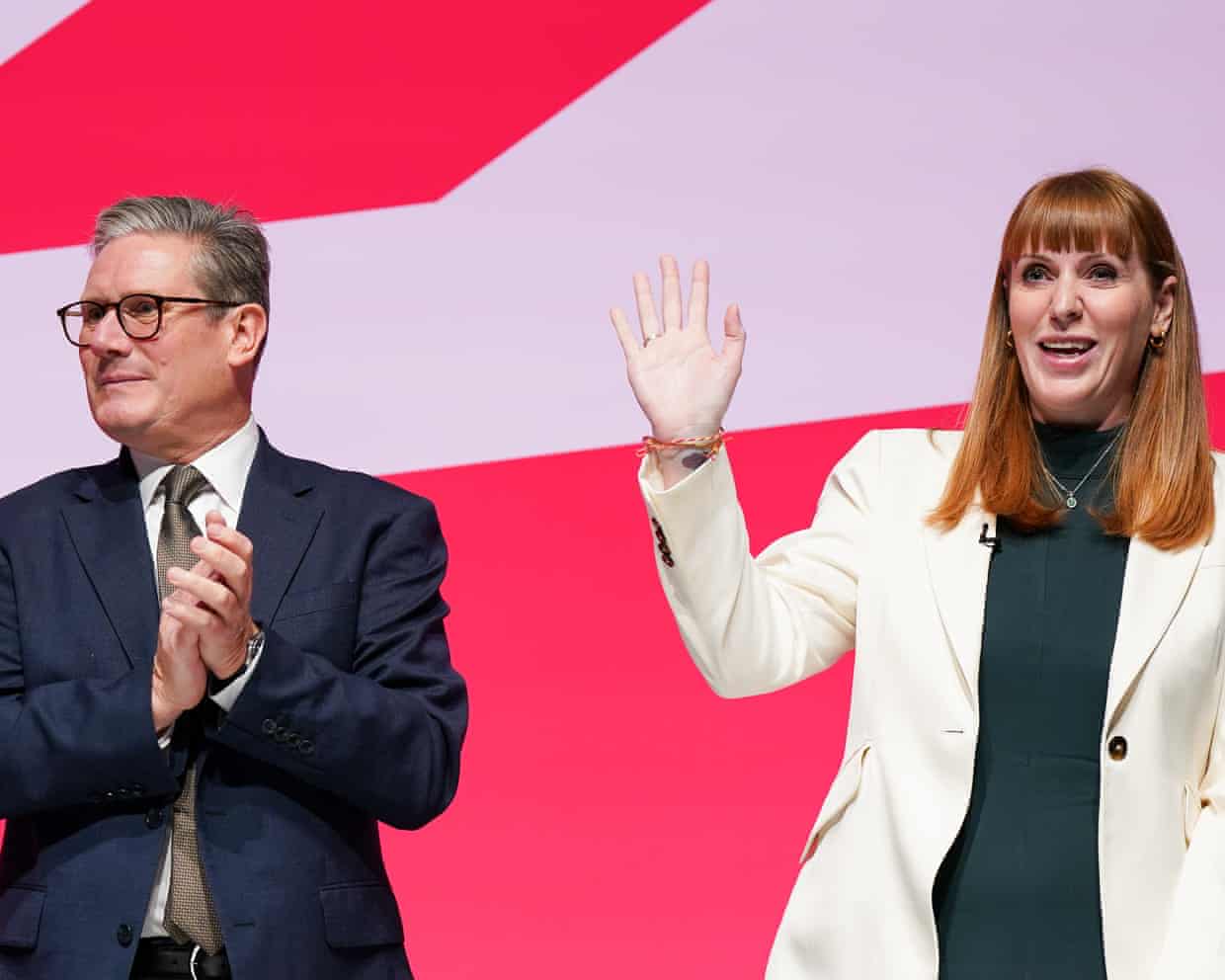
British Prime Minister Keir Starmer has confirmed that Angela Rayner, the former deputy leader of the Labour Party, will be returning to the cabinet. This announcement marks a significant turn in Labour’s political landscape, with Starmer emphasizing Rayner’s importance as a key voice in the party’s future. Her return is expected to energize Labour’s efforts as it aims to solidify its position in the United Kingdom’s political arena.
Starmer made the announcement during a press conference held in London on October 10, 2023. He expressed confidence in Rayner’s capabilities and highlighted her contributions to the party, stating, “She’s going to be a major voice in the Labour movement.” This statement underscores the leadership’s commitment to harnessing Rayner’s experience and popularity as Labour prepares for the next general election.
Rayner’s Role and Political Impact
Angela Rayner’s return to a prominent role within the Labour Party comes at a time when the party is focused on revitalizing its image and strategy. Rayner previously held the position of Deputy Leader and served in various capacities, including as Shadow Chancellor of the Duchy of Lancaster. Her experience and grassroots appeal are seen as vital assets as the party navigates challenges ahead.
Observers note that Rayner’s reappointment could significantly enhance Labour’s outreach efforts, especially among younger voters and working-class communities. Her public stance on social issues, including education and workers’ rights, resonates with many constituents who feel disconnected from traditional political narratives.
Starmer’s decision to bring Rayner back into the cabinet reflects a broader strategy to unify the party during a critical period. With the next general election approaching, Labour is looking to present a consolidated front and advance its agenda on pressing issues such as healthcare, climate change, and economic recovery.
Future Challenges for Labour
While Rayner’s return is viewed positively by many within the party, Labour still faces considerable challenges. The party’s approval ratings have fluctuated, and it must contend with a strong Conservative opposition. Recent polling indicates that Labour needs to secure significant support to regain power in the next election, slated for early 2024.
In this context, Rayner’s role will be pivotal in shaping Labour’s messaging and policy proposals. As the party seeks to reconnect with voters, her experience in local politics and her advocacy for social justice will likely play a crucial role in Labour’s strategy.
The Labour Party’s internal dynamics will also be under scrutiny as Rayner re-establishes her position. Her relationship with other party leaders and members will be vital for fostering collaboration and addressing any potential divisions within the party.
Starmer’s announcement reflects a determined effort to revitalize the Labour Party under his leadership. As Angela Rayner steps back into the spotlight, her contributions are expected to be instrumental in shaping the party’s future direction and its quest to regain public trust leading into the next election.