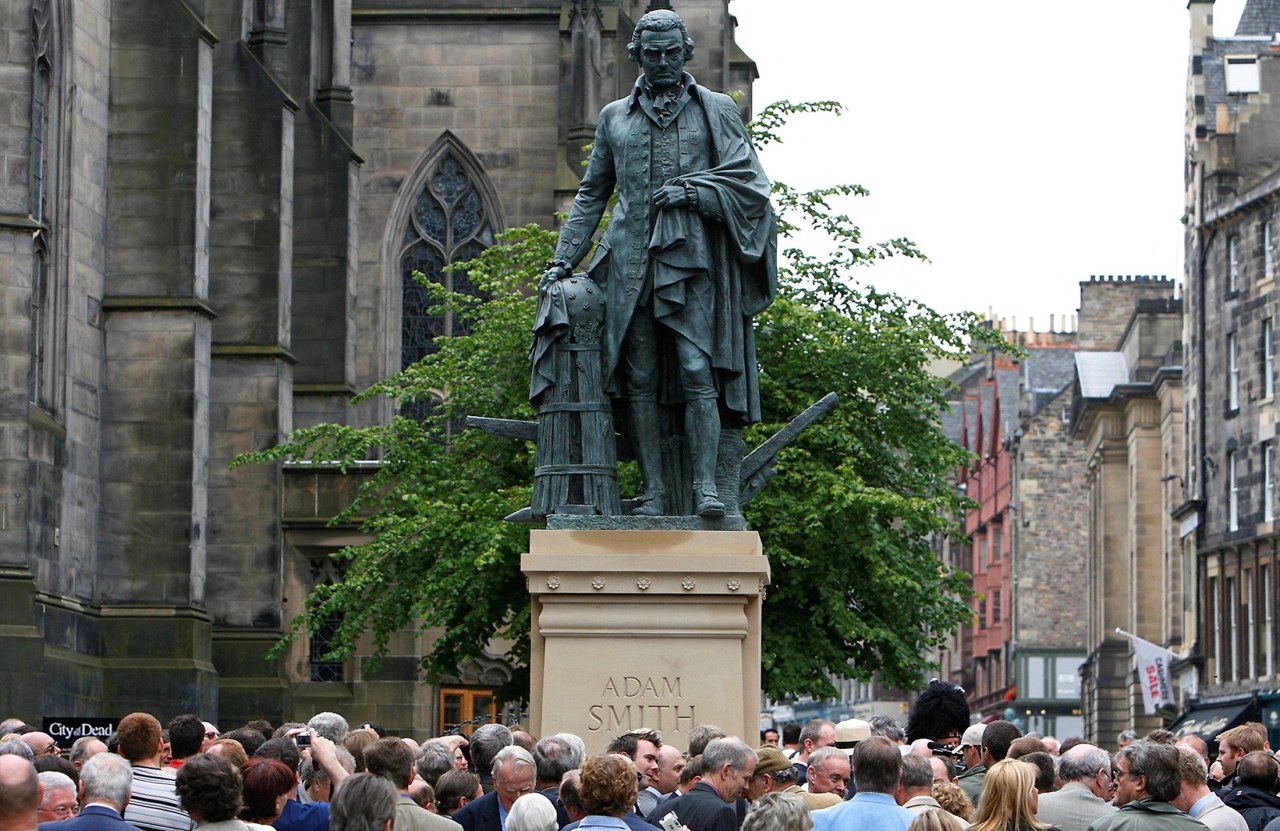
The prospect of a renewed Scottish Enlightenment is generating significant discussion among prominent commentators. In a recent exchange, Fraser Nelson, editor of the Spectator, responded to insights offered by Barton Swaim and Allan Massie regarding the cultural and intellectual revival in Scotland. This discourse underscores the importance of examining Scotland’s historical legacy and its potential impact on modern society.
The original Scottish Enlightenment, which flourished during the 18th century, produced influential figures such as philosopher David Hume and economist Adam Smith. Their contributions not only shaped Scottish identity but also laid the groundwork for modern Western thought. Nelson argues that the revival of these Enlightenment principles could significantly influence contemporary politics and culture in Scotland and beyond.
In his response, Nelson critiques the current political landscape, suggesting that understanding the historical context of the Scottish Enlightenment could inspire a fresh approach to addressing modern challenges. He believes that revisiting the core ideas that defined this era may spark a cultural renaissance, fostering a new generation of thinkers and innovators.
Nelson highlights the importance of fostering intellectual discourse as a means to combat the rising tide of populism and division in today’s political climate. He points to the potential for Scotland to lead this revival, leveraging its rich history of philosophical inquiry to engage with pressing global issues.
As the debate unfolds, Swaim and Massie contribute their perspectives on the feasibility of such a revival. They emphasize the need for a cultural shift that encourages critical thinking and public engagement. Their arguments reflect a broader concern about the state of public discourse, advocating for a return to values that prioritize reasoned debate and intellectual rigor.
The discussion surrounding the next Scottish Enlightenment is not merely an academic exercise; it has tangible implications for Scotland’s future. As the nation grapples with its identity and place in the world, revisiting the Enlightenment could provide a roadmap for navigating contemporary challenges.
Moreover, this conversation resonates beyond Scotland, as many societies face similar dilemmas regarding the quality of public discourse and the role of intellectualism. The possibility of a new Enlightenment invites us to reflect on our values and the importance of nurturing a culture that celebrates dialogue and critical thought.
In conclusion, the exchange between Fraser Nelson, Barton Swaim, and Allan Massie highlights a pivotal moment in Scotland’s cultural journey. By drawing on the lessons of the past, Scotland may well position itself as a beacon of intellectual and cultural revival, inspiring other nations to follow suit. As this dialogue continues, it will be crucial to monitor how these ideas evolve and whether they can translate into actionable change in Scotland and beyond.