








































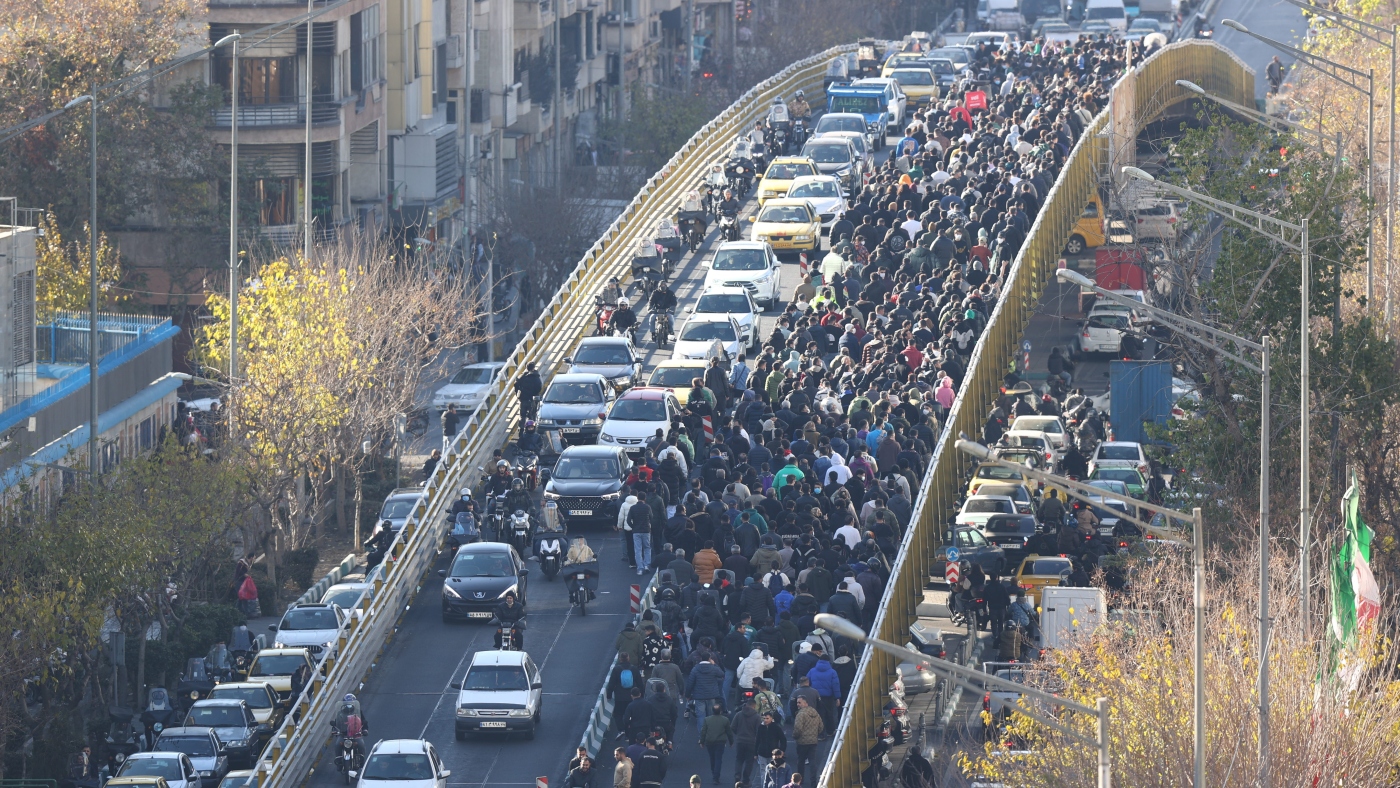
Widespread protests across Iran have escalated, fueled by the country’s struggling economy. Demonstrations, which began in urban areas, have now reached rural provinces, resulting in at least six fatalities among security forces and protesters. The deaths, which occurred in three cities predominantly inhabited by the Lur ethnic group, may signal a more aggressive response from Iranian authorities to quell the unrest.
The protests represent the largest wave of civil discontent since the demonstrations following the death of Mahsa Amini in police custody in 2022. While the protests have not currently reached the intensity of those that erupted after Amini’s death, they are significant in their geographical spread. The most severe violence has been reported in Azna, located approximately 300 kilometers (185 miles) southwest of Tehran. Videos circulating online reportedly depict scenes of chaos, with objects set ablaze and gunfire ringing out as protesters shouted slogans against the government.
According to the semiofficial Fars news agency, three individuals were killed in Azna during the recent clashes. Other media sources have corroborated this report, although state-run outlets have largely downplayed the violence. The lack of comprehensive reporting may stem from a history of journalist arrests during the 2022 protests, raising concerns about press freedom in the country.
In Lordegan, a city in Chaharmahal and Bakhtiari Province, online footage showed crowds gathering amidst the sound of gunfire. Fars reported that two deaths occurred during protests there, a claim supported by the Washington-based Abdorrahman Boroumand Center for Human Rights, which identified the deceased as demonstrators. The unrest in Lordegan echoes past protests in 2019 when residents expressed outrage over a health crisis linked to contaminated medical equipment.
A separate protest on Wednesday night resulted in the death of a 21-year-old member of the Revolutionary Guard’s paramilitary Basij force. The state-run IRNA news agency confirmed the incident but did not provide further details. Saeed Pourali, a deputy governor in Lorestan Province, attributed the Guard member’s death to “rioters” during the protests, emphasizing that economic pressures and inflation have driven citizens to express their grievances.
Local authorities reported that calm had returned to Kouhdasht, another city impacted by unrest. Prosecutor Kazem Nazari stated that around 20 people had been arrested during the protests in that region. He urged the need for the government to listen to citizens’ voices while cautioning against allowing demands to be exploited by opportunistic individuals.
The Iranian economy is under significant strain, with the value of the rial plummeting. As of now, $1 is equivalent to approximately 1.4 million rials. President Masoud Pezeshkian has attempted to signal a willingness to negotiate with protesters, yet he admitted that the government has limited options to address the deep-rooted economic issues facing the nation.
In a parallel effort, state media reported the arrests of seven individuals allegedly connected to monarchist movements and foreign-based groups. Additionally, security forces seized a cache of 100 smuggled pistols, indicating ongoing tensions in the region.
In a bid to mitigate unrest, Iranian authorities designated Wednesday a public holiday, possibly to encourage citizens to leave Tehran for a long weekend. Despite these efforts, protests have persisted, with demonstrators not only expressing economic frustrations but also voicing discontent against the ruling theocracy.
As Iran grapples with these protests, the government faces the challenge of addressing both the economic turmoil and the growing calls for change from its citizens. The situation remains fluid, and the potential for further unrest looms as the Iranian leadership navigates these complex dynamics.
























