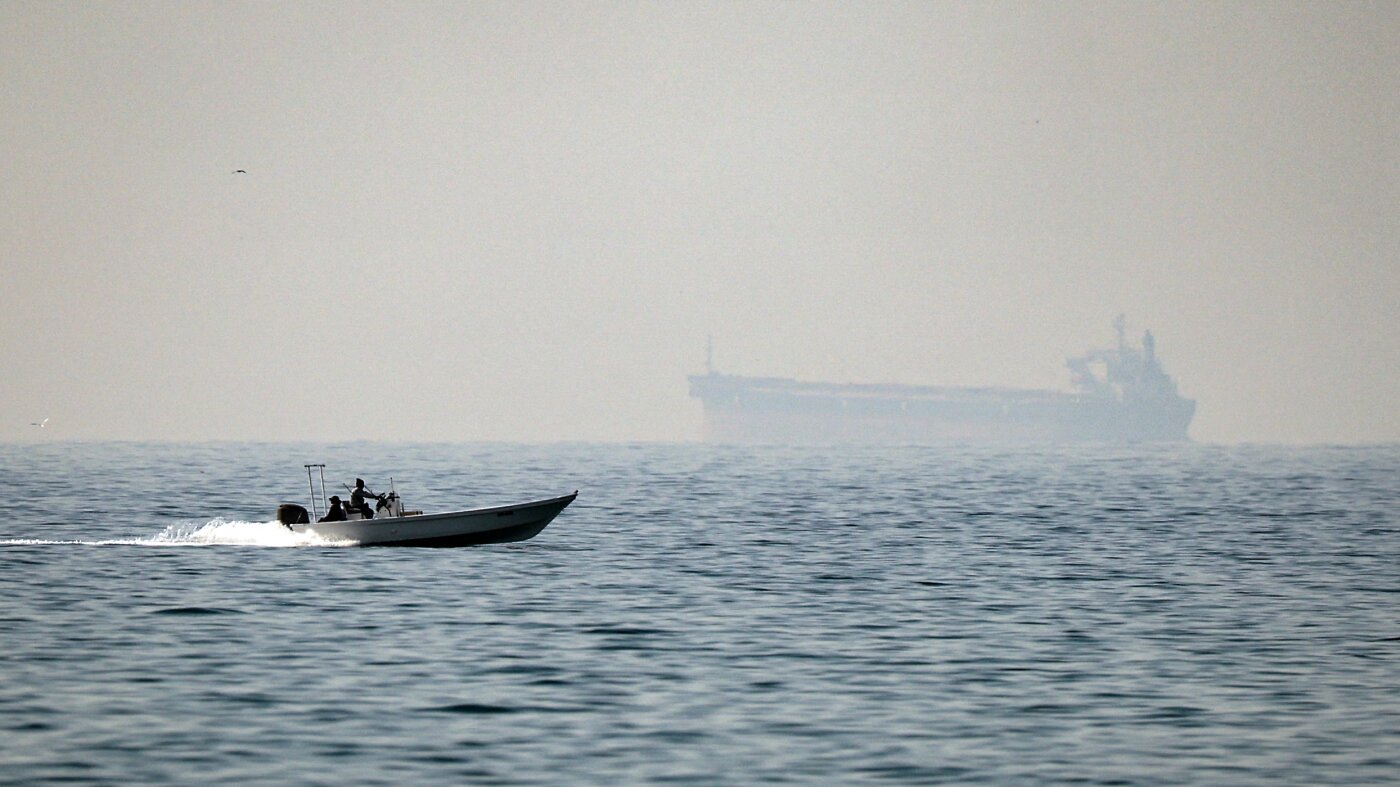
Global crude oil prices surged by approximately 8% on Monday morning, following the escalation of conflict in Iran, which has now entered its third day. Brent crude, the international benchmark for oil, traded in the high $70s as concerns mounted over the effective halt of tanker traffic through the Strait of Hormuz. This increase comes in the wake of military actions taken by the United States and Israel against Iran. Analysts caution that prices could exceed $100 per barrel if disruptions to oil trade persist or if the conflict extends to neighboring countries, potentially damaging critical oil infrastructure.
The situation has already had significant repercussions in financial markets. The Dow Jones Industrial Average fell over 400 points, representing a decline of nearly 1.2%, while the S&P 500 lost 0.7% in early trading on Monday. Investor sentiment has been rattled by fears that rising energy prices could exacerbate inflation, which had been showing signs of moderation prior to this conflict.
Market Response and Potential Impacts
Global energy markets were closed on Saturday when military actions commenced. Upon reopening on Sunday night, oil prices briefly exceeded $80 per barrel before stabilizing. According to Patrick de Haan, an analyst with GasBuddy, U.S. gasoline prices are expected to rise by an average of 10-30 cents per gallon in the coming days, with some stations potentially increasing prices by as much as 85 cents per gallon.
The Strait of Hormuz is a crucial passageway for approximately 20% of global oil consumption. Since the onset of hostilities, four vessels have reportedly been hit in Gulf waters, raising safety concerns among shipping companies and their insurers. As a result, many tankers are avoiding passage through this vital route, further impacting oil supply.
Natural gas markets are also experiencing significant fluctuations. The European natural gas market saw prices rise by over 20% as fears of supply disruptions grew. The United States, currently the world’s largest exporter of liquefied natural gas (LNG), has recently invested in LNG terminals, positioning itself to benefit from heightened demand. However, the increase in natural gas prices may lead to higher electricity costs domestically.
Regional Developments and Security Concerns
In response to the ongoing conflict, Saudi Arabia has reported intercepting drones aimed at its oil infrastructure, while Qatar Energy confirmed attacks on two natural gas facilities. The impact of these incidents underscores the precarious nature of energy security in the region.
As the situation continues to develop, both energy and financial markets remain on edge. The potential for further escalations in the conflict could lead to more pronounced economic effects, particularly in energy-dependent industries. Investors and consumers alike will be closely monitoring the situation for any signs of stabilization or further volatility.