Iran has appointed a new governor for its central bank following significant protests triggered by the steep decline of the national currency, the rial. On Wednesday, President Masoud Pezeshkian announced the appointment of Abdolnasser Hemmati, a former economics minister, to lead the Central Bank of the Islamic Republic of Iran. His predecessor, Mohammad Reza Farzin, resigned just days after protests erupted in response to the rial’s historic depreciation against the U.S. dollar.
The Iranian rial has plunged to an unprecedented low, trading at approximately 1.38 million rials per dollar on Wednesday. This represents a staggering increase from 430,000 rials when Farzin took office in 2022. The economic turmoil is largely attributed to a soaring inflation rate of around 40%, which has fueled public discontent and prompted widespread demonstrations across Tehran and other cities.
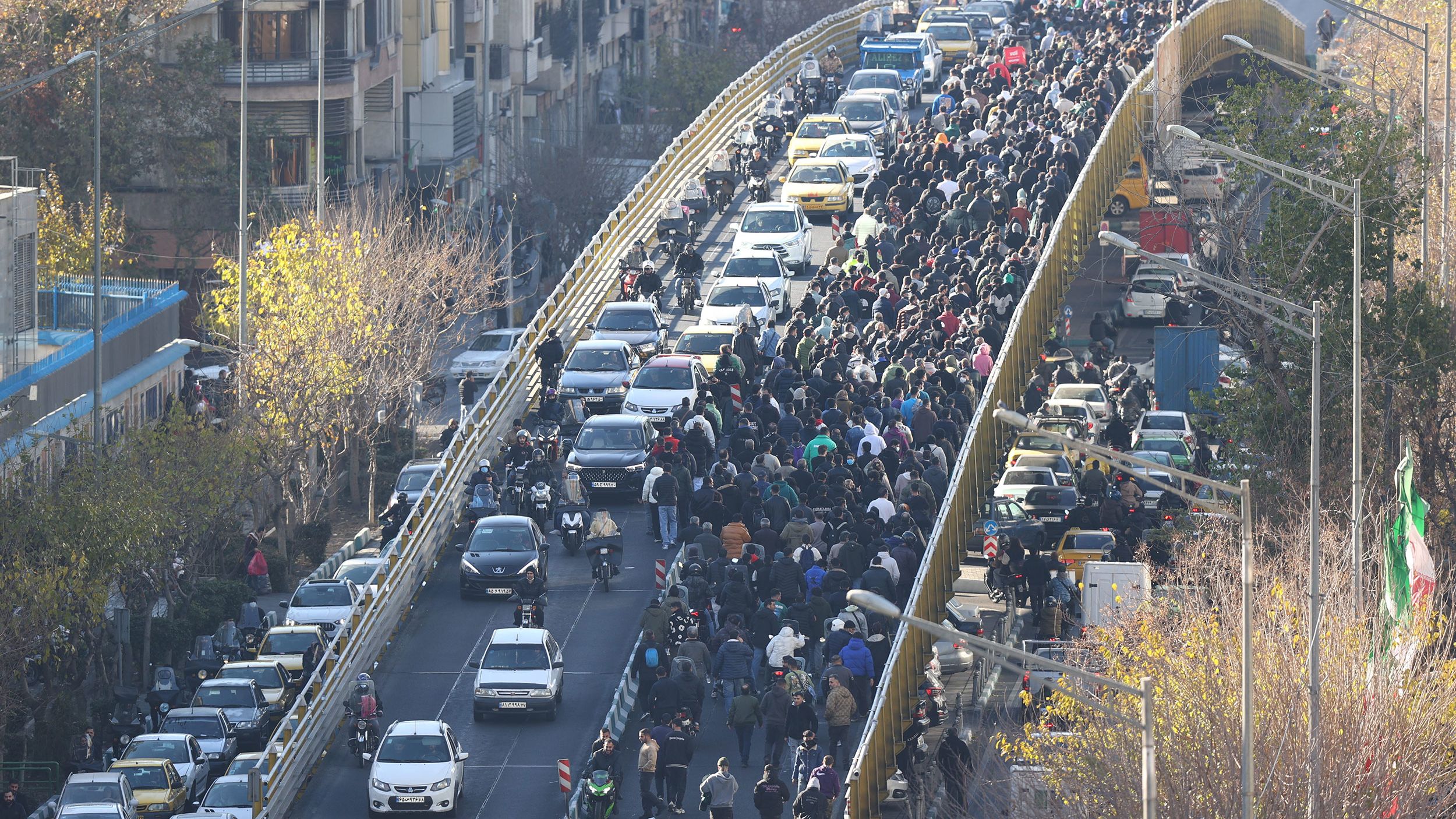
Protesters, including many traders and shopkeepers, have expressed their frustration by closing businesses and taking to the streets. These protests are among the largest seen in Iran in the past three years, largely sparked by the rial’s drastic decline and rising costs of essential goods. According to reports, the rapid depreciation of the currency and mounting inflation have severely impacted household budgets, already strained by Western sanctions related to Iran’s nuclear program.
Hemmati’s primary objectives will focus on stabilizing the economy, controlling inflation, and addressing the mismanagement within banks, as outlined by government spokeswoman Fatemeh Mohajerani. Hemmati, who is 68 years old, previously served as the minister of economic and financial affairs under Pezeshkian but was dismissed by parliament in March due to allegations of mismanagement that weakened the rial’s value.
The situation has been exacerbated by recent changes in gasoline prices, which are expected to further drive inflation. In response to the unrest, Mohammad Movahedi Azad, Iran’s Prosecutor General, stated that any attempts to escalate economic protests into violence would face a strong governmental response.
In a historical context, the rial was valued at approximately 32,000 rials per dollar during the 2015 nuclear agreement, which lifted international sanctions in exchange for constraints on Iran’s nuclear activities. This agreement collapsed in 2018 when former President Donald Trump withdrew the United States from the accord, leading to a gradual deterioration of Iran’s economic stability.
On the ground, reports indicate that protests have turned violent, particularly in the southern city of Fasa, where demonstrators reportedly broke into the governor’s office, injuring three policemen. Four protesters were arrested during the unrest, highlighting the tensions within Iranian society. Witnesses noted that merchants and traders have continued to keep their shops closed in major bazaars in Tehran, as well as in other cities like Shiraz and Kermanshah.
As Iran navigates this tumultuous economic landscape, the newly appointed Hemmati faces significant challenges in restoring confidence and stability within the financial sector. The coming weeks will be crucial as the government seeks to address both the immediate economic crisis and its underlying causes.