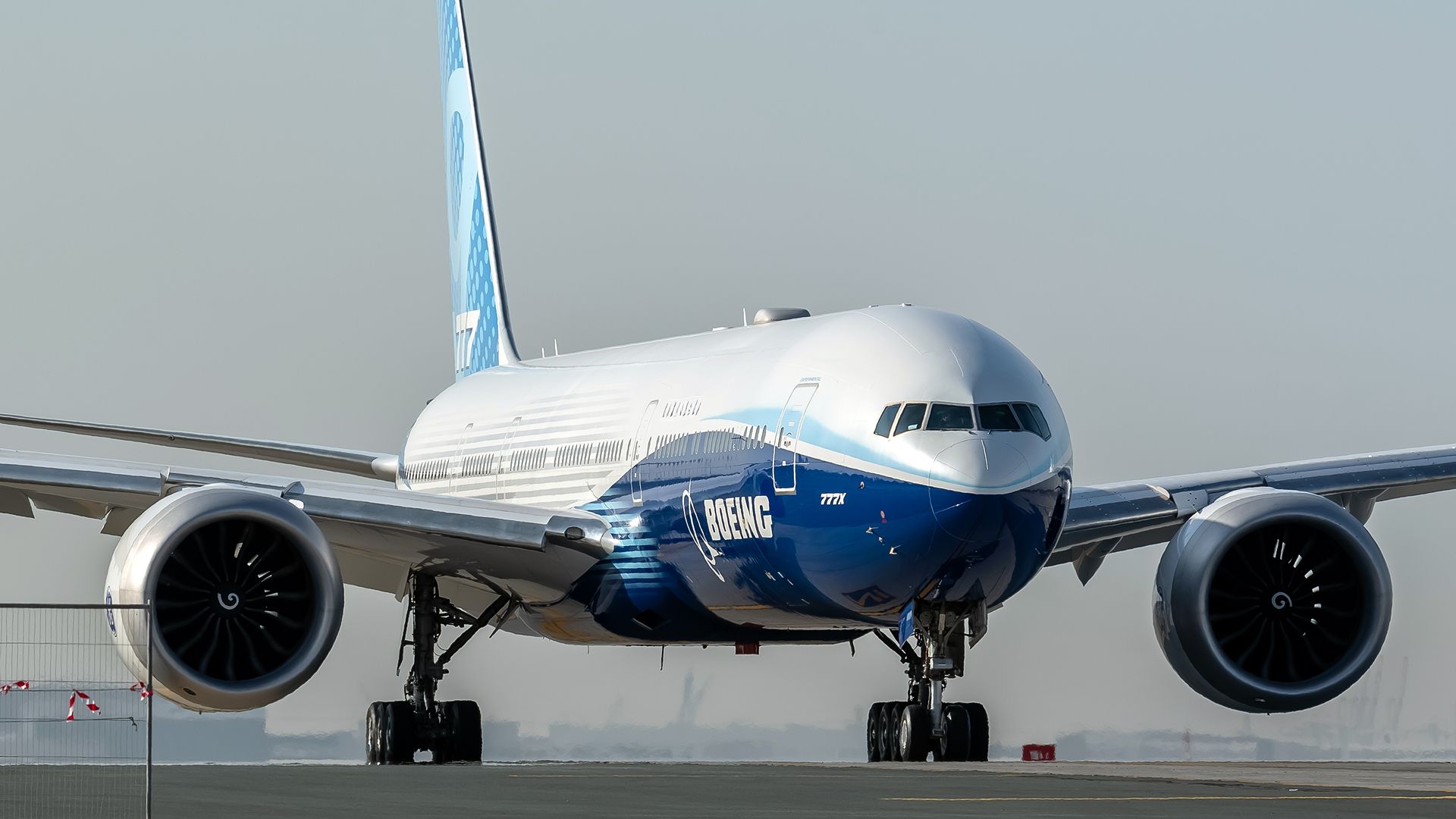
Boeing is urging the Federal Aviation Administration (FAA) to grant an emissions waiver for its Boeing 777 Freighter, as delays in the certification and entry into service of the Boeing 777-8F continue. In a petition submitted on December 19, 2023, the aerospace giant seeks permission to sell an additional 35 Boeing 777F aircraft, which would otherwise face a cutoff due to new fuel efficiency regulations set to take effect in 2028.
The company argues that this exemption is essential to prevent a supply gap in the widebody freighter market. Boeing maintains that the 777F model exceeds future emissions standards, while the upcoming 777-8F is compliant. Nevertheless, the latter’s delayed rollout leaves a significant gap in availability, necessitating the waiver to ensure continuity in cargo transport.
Boeing emphasizes the importance of large freighters in sustaining global cargo networks, positing that the waiver is a critical trade and supply chain issue. The request aligns with previous congressional actions that extended the production of the Boeing 767 Freighter past the 2028 regulations. Currently, Boeing asserts that the 777F is the only major freighter in production, highlighting its role in facilitating high-value air exports.
Details Surrounding the Emissions Waiver Request
Under the FAA’s adopted international emissions regulations, aircraft that fail to meet specific fuel-efficiency standards will no longer qualify for new airworthiness certificates after December 31, 2027. This rule effectively threatens the sale of the Boeing 777F as 2028 approaches. Boeing’s petition seeks an exemption for the additional aircraft, arguing that they are necessary to maintain a reliable supply of large freighters until the 777-8F is available.
This request places regulators in a challenging position, as the intent of the emissions rules is to encourage operators to transition to cleaner, more efficient aircraft. Granting the waiver could prolong the operational life of older models, countering the goals of the regulations.
Boeing faces a competitive landscape, particularly with Airbus advancing its A350F model, which is set to enter service in the latter half of 2027. Boeing claims that its General Electric GE90-powered 777F remains the most fuel-efficient high-capacity freighter on the market, crucial for the ongoing expansion of the e-commerce sector.
The Impact of Cargo Capacity Shortages
The request for an emissions waiver also sheds light on the fragile state of the heavy-freighter market. Analysts have noted that the 777-8F may not see service entry until 2029, with some customers anticipating a delivery as late as 2030. This timeline is in keeping with the delays that have plagued the Boeing 777X family.
As demand for time-sensitive cargo rises, operators are eager to retire older widebody jets. Recent incidents, including the tragic crash of a UPS Airlines MD-11F in Louisville on November 4, have intensified concerns over cargo shortages. Boeing warns that without new-production aircraft, airlines will have no choice but to continue operating aging freighters, undermining the efficiency gains intended by new standards.
Boeing contends that each exported 777F represents approximately $440 million in transaction value, underscoring the economic significance of this waiver request. As the company navigates the complexities of regulatory compliance and market demand, its future in the freighter segment hangs in the balance.