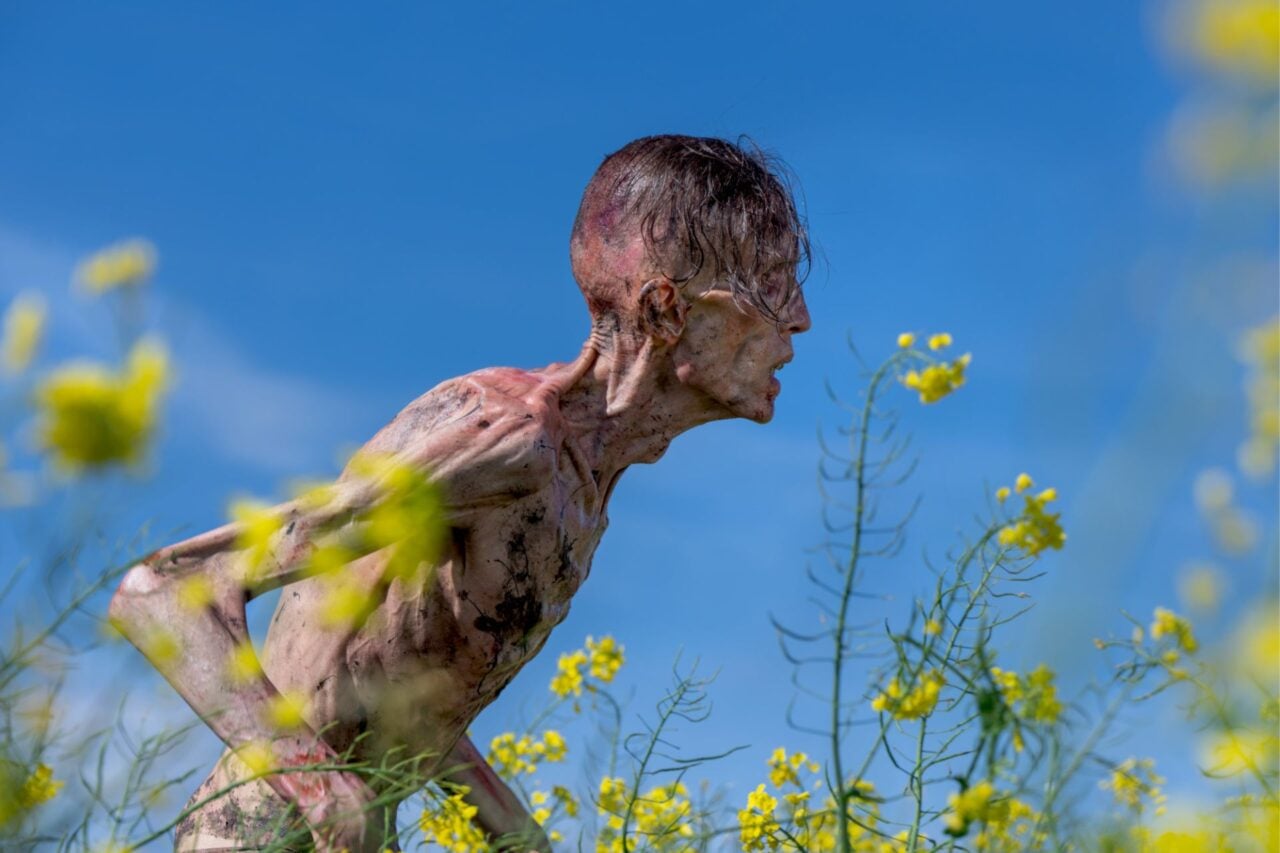
URGENT UPDATE: As the world grapples with the ongoing impacts of emerging diseases, new insights reveal that some of the most terrifying fictional diseases in horror films are inspired by actual pathogens. In just the first few months of 2026, two infection-themed films, 28 Years Later: The Bone Temple and Cold Storage, have already made waves, captivating audiences and reigniting fears related to contagion.
The HBO series The Last of Us, based on the hit video game, showcases a fictional fungus that transforms victims into aggressive, zombie-like creatures. This chilling premise is rooted in real-world fungi like Cordyceps and Ophiocordyceps, which manipulate the behavior of their insect hosts. Alarmingly, climate change is causing some fungi to adapt, raising concerns about new fungal diseases potentially affecting humans.
Meanwhile, the film Cold Storage features a more generic fungus that zombifies both people and animals, all while starring action hero Liam Neeson. This blend of fiction and frighteningly plausible science is resonating with audiences.
The 28 Days Later franchise introduces the infamous Rage virus, a lab-modified version of the Ebola virus. Characters exhibit symptoms eerily reminiscent of severe Ebola infections, including uncontrollable rage and blood-red eyes. Though these films stretch credibility, they highlight the very real fears surrounding viral outbreaks.
Focusing on an actual rabies threat, the REC series (and its remakes, Quarantine) depicts a quarantine scenario in an apartment complex where a mysterious outbreak turns residents into violent beings, beginning with an infected dog. Rabies is a very real concern, with vaccination programs helping reduce its prevalence, but isolated cases still occur.
Another chilling entry, the film Cooties, portrays a fictional disease that transforms children into zombies while inducing severe gastrointestinal symptoms in adults, reflecting how foodborne infections can impact vulnerable populations.
The found footage film The Bay presents a mutant isopod as the antagonist, a creature inspired by the real-life Cymothoa exigua, which can attach to fish. This grotesque depiction of nature’s horrors raises questions about environmental impacts on health.
In a more realistic horror, Contagion features the fictional meningoencephalitis virus 1 (MEV-1), based on the real Nipah virus, which has caused outbreaks since 1998. The film’s portrayal of a pandemic scenario echoes current fears as Nipah remains a hazardous zoonotic disease with a fatality rate of up to 50%.
These films not only entertain but also serve as cautionary tales, illustrating the delicate balance between fiction and reality in the face of emerging infectious diseases. With the ongoing threats of climate change and zoonotic spillover, the lines between horror and reality may blur even further.
As we navigate these unsettling narratives, public health officials emphasize the importance of awareness and preparedness. The next wave of infectious diseases could be just around the corner, and these films are a stark reminder of the potential dangers that lurk in our environment.
Stay tuned for more urgent updates as these stories continue to develop.