UPDATE: Users of Home Assistant are facing urgent challenges with four critical integrations that are often installed but left unconfigured. Reports indicate that many smart home enthusiasts are grappling with integration FOMO—installing advanced tools without fully utilizing their potential.
Frigate, an AI-powered object detection system, is a prime example. While installation is straightforward, configuration remains a major hurdle. Users report overwhelming logs filled with FFmpeg errors, primarily due to misconfigured detection zones. A recommended solution is to use the Frigate UI Debug View for easier setup, allowing users to drag-and-drop mask points directly onto their video feed, reducing the need for complex YAML adjustments.
Meanwhile, Grocy aims to revolutionize home inventory management, but many users abandon it after realizing their databases are outdated. The integration relies heavily on user discipline for barcode scanning, which can fall by the wayside in busy households. The addition of the Barcode Buddy add-on can streamline this process, allowing users to scan unknown barcodes and automatically retrieve product information, thereby revitalizing their Grocy databases.
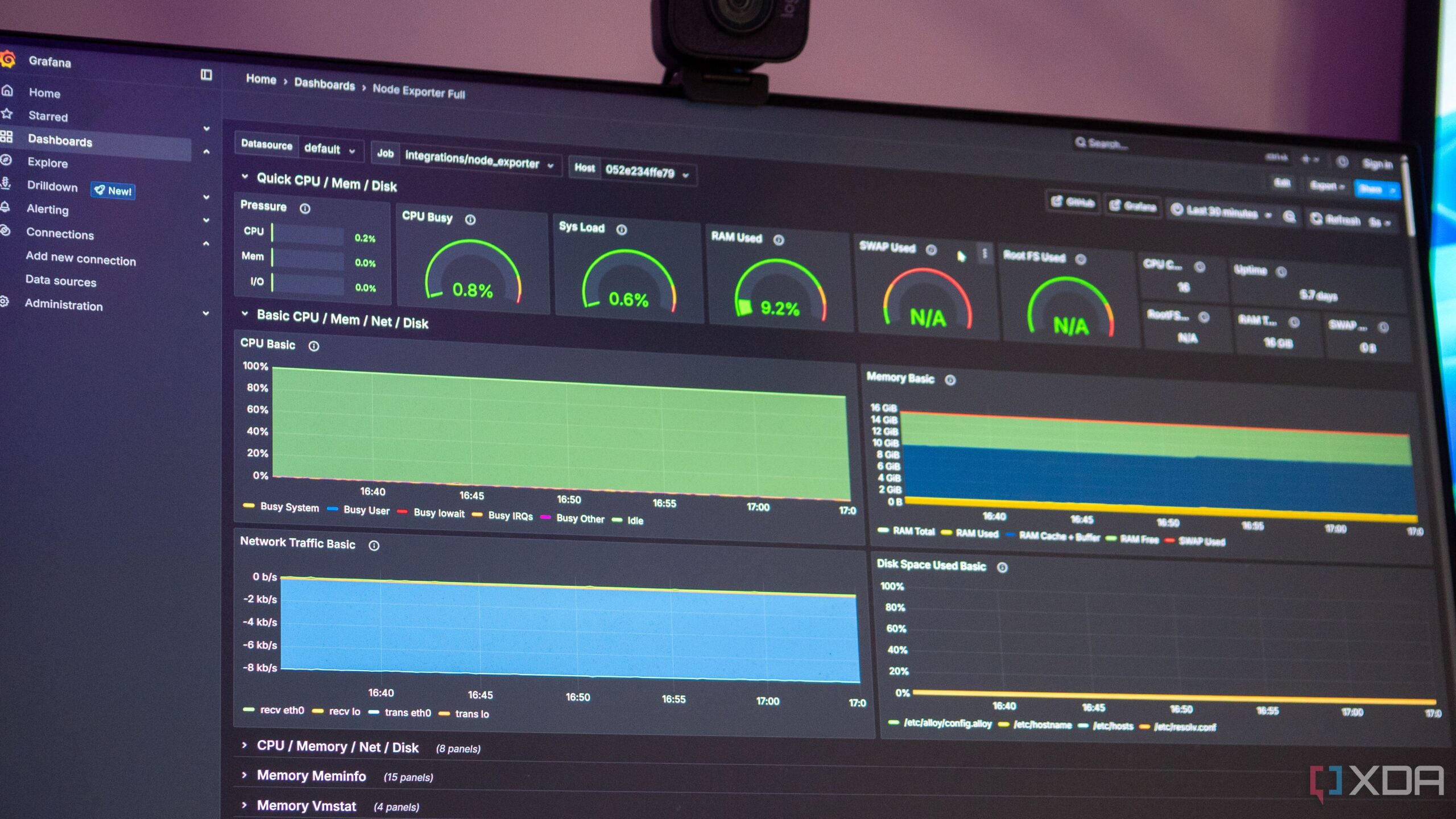
In the realm of data visualization, Prometheus and Grafana offer professional-grade metrics tracking. However, without proper configuration, users often find themselves stuck with default dashboards that provide minimal insights. Experts advise leveraging pre-built dashboard IDs from the Grafana community to avoid the complexities of PromQL. Simply importing a community dashboard can save hours of frustration and deliver instant, meaningful data representation.
Lastly, ESPHome is gaining traction for creating custom sensors but presents its own set of challenges. Users frequently deal with unfinished projects and devices that drain batteries too quickly. Implementing a manual override switch can simplify the configuration process, allowing users to keep devices awake for updates without losing battery efficiency.
The trend of having incomplete smart home projects is becoming more common, and industry experts stress that it’s crucial for users to revisit these integrations. A half-configured system can be more frustrating than not having any smart home setup at all. The message is clear: now is the time to tackle those lingering projects and fully realize the potential of your smart home.
What to Watch Next: As the demand for seamless smart home experiences grows, users are urged to address these integration issues promptly. Completing these configurations can lead to a more efficient and functional home environment, enhancing the overall smart home experience.
Stay tuned for more updates and tips on maximizing your smart home technology!