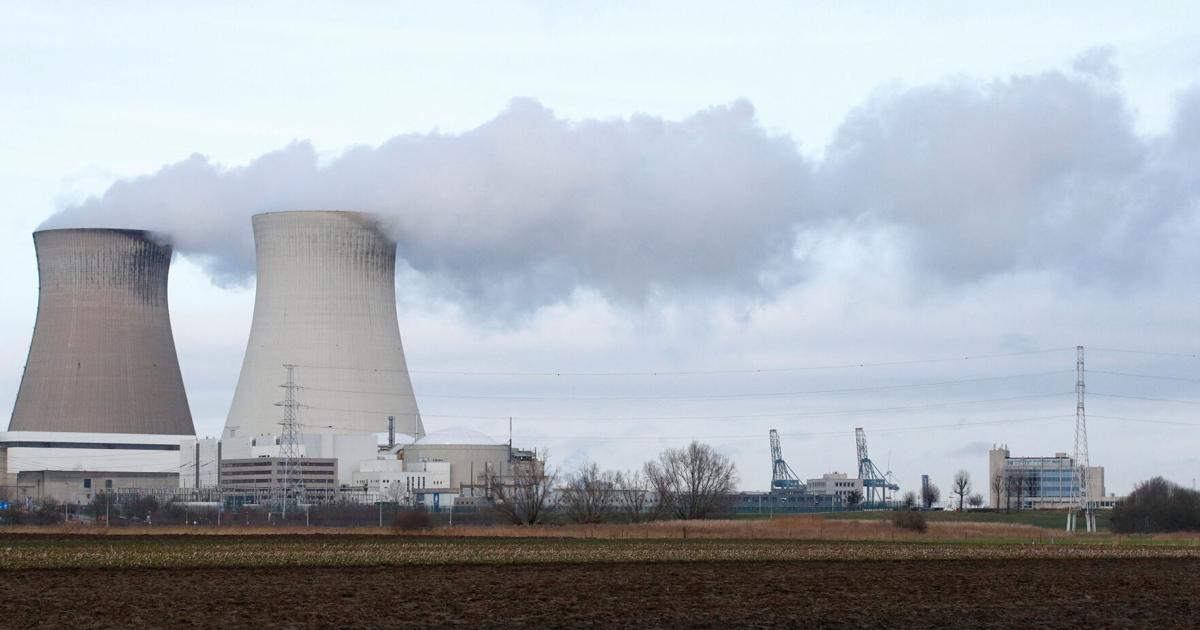
As the United States grapples with escalating energy demands, experts assert that expanding nuclear power is essential for maintaining competitiveness in the global landscape. The shift towards nuclear energy comes as the country seeks to meet its increasing electricity needs while addressing climate change.
Regulatory Shift for Nuclear Energy
Historically, the nuclear power industry in the U.S. has faced significant challenges due to stringent regulations that have restricted its growth. Over the decades, these regulations have deterred investment and innovation in nuclear technologies. However, according to recent reports from the Washington Post, the regulatory environment is starting to evolve, allowing for a more favorable landscape for nuclear energy development.
Proponents argue that with advancements in technology, nuclear power can play a pivotal role in reducing greenhouse gas emissions. As countries worldwide strive to transition to cleaner energy sources, increasing reliance on nuclear energy could help the U.S. meet its climate goals while ensuring energy security.
The demand for energy is projected to rise sharply, driven by factors such as population growth, economic development, and the electrification of various sectors. In the face of this increasing demand, experts warn that renewable resources alone may not suffice to support the grid. A diversified energy portfolio that includes nuclear power is seen as a critical component of a sustainable energy strategy.
Global Competitiveness and Clean Energy
A report by the International Energy Agency highlights the importance of nuclear power in achieving net-zero emissions by 2050. Countries that have embraced nuclear energy are poised to gain a competitive advantage in both energy security and economic growth. The U.S. risks falling behind in this race unless it addresses its energy strategy.
As of 2023, nuclear energy accounts for approximately 20% of the total electricity generated in the United States. Advocates for nuclear energy argue that expanding this sector could significantly contribute to the country’s clean energy goals while maintaining reliable power generation.
Renewable energy sources like wind and solar are essential, but they require substantial backup systems due to their intermittent nature. Nuclear energy offers a stable and constant source of power, making it an attractive option for balancing the grid.
The conversation around nuclear power is evolving, with increasing public awareness of its benefits. As climate concerns become more pressing, discussions about nuclear energy are likely to gain momentum.
In conclusion, if the United States aims to maintain its position as a leader in energy innovation, it must prioritize the expansion of nuclear power. This approach not only aligns with global climate objectives but also ensures that the nation can meet its energy demands sustainably and efficiently.