








































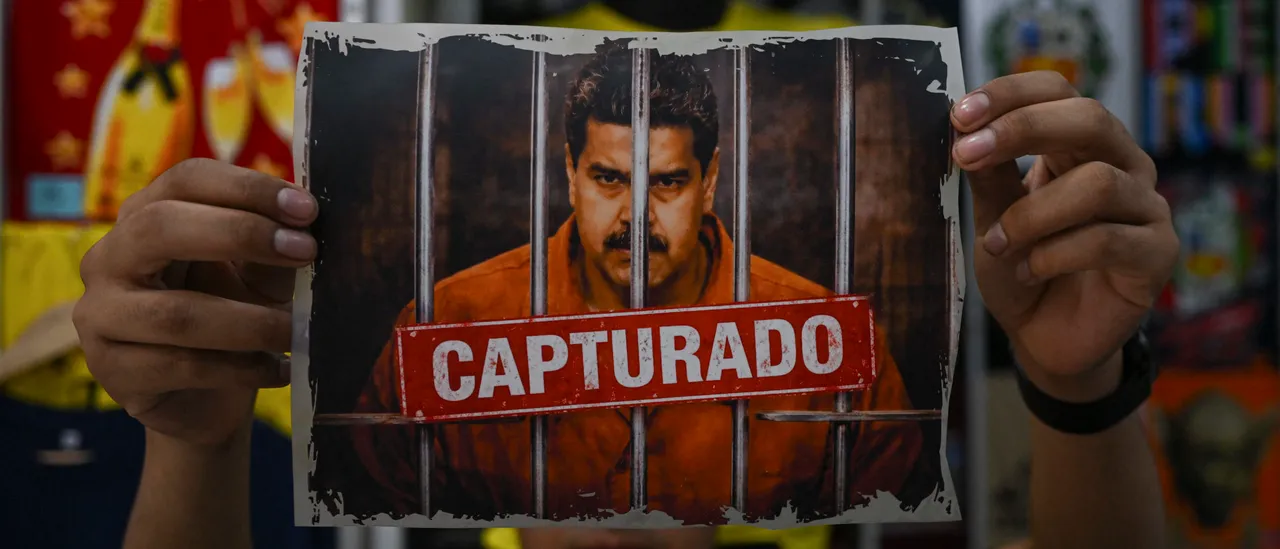
Former U.S. President Donald Trump has made headlines with his recent actions concerning Nicolás Maduro, the Venezuelan leader accused of drug trafficking. Trump initiated a federal operation aimed at apprehending Maduro, who faces an outstanding arrest warrant in New York. This complex situation raises questions about the motivations behind U.S. involvement in Venezuela, a country grappling with severe economic and social turmoil.
The operation, described by some critics as a strategic maneuver for oil and geopolitical influence, echoes historical U.S. interventions in Latin America. Trump’s approach has sparked debate about whether this action is rooted in a genuine desire to combat drug trafficking or is merely a continuation of the U.S.’s longstanding interests in the region.
Understanding the Context
Venezuela has been in decline for over two decades, with the government under Chávez and now Maduro leading to staggering unemployment rates and poverty levels. Reports indicate that 44% of adults are unemployed and 86% of the population lives in poverty. Despite this, Maduro and his administration have amassed significant wealth, raising concerns about the effectiveness of socialist governance.
Critics of Trump’s actions argue that they are driven by self-interest, with claims that the U.S. government prioritizes oil-rich nations over humanitarian concerns. Historical interventions in countries like Iraq and Libya suggest a pattern where U.S. involvement may not lead to positive outcomes for the local population. As one observer noted, “We are 0 for the last 5 interventions,” referencing past military operations that have not achieved their stated goals.
The Debate Over Intervention
Supporters of Trump’s strategy assert that it could potentially aid the Venezuelan people and help dismantle a corrupt regime. They argue that if the U.S. can reclaim stolen oil resources and bolster stability, the effort may have merit. Yet, the question remains: who would govern Venezuela in the aftermath? Some have suggested names like Lane Kiffin, reflecting a mix of seriousness and irony about the situation.
The current administration has placed Vice President Rodriguez in charge of Venezuela’s affairs, but her leadership is also under scrutiny. There are rumors of a substantial life insurance policy taken out on her, with beneficiaries reportedly connected to communities in Minnesota, adding another layer of intrigue to the situation.
As the world watches, Trump’s instincts in foreign policy continue to provoke discussion. His unorthodox methods, while criticized by many, reflect a willingness to challenge the status quo. The implications of this latest operation will unfold over time, potentially reshaping U.S.-Venezuela relations and impacting the lives of millions.
The ongoing developments in Venezuela are a reminder of the complexities involved in international intervention. As the situation evolves, the focus will remain on the humanitarian impact and whether U.S. actions lead to meaningful change in a country long trapped in crisis.
























