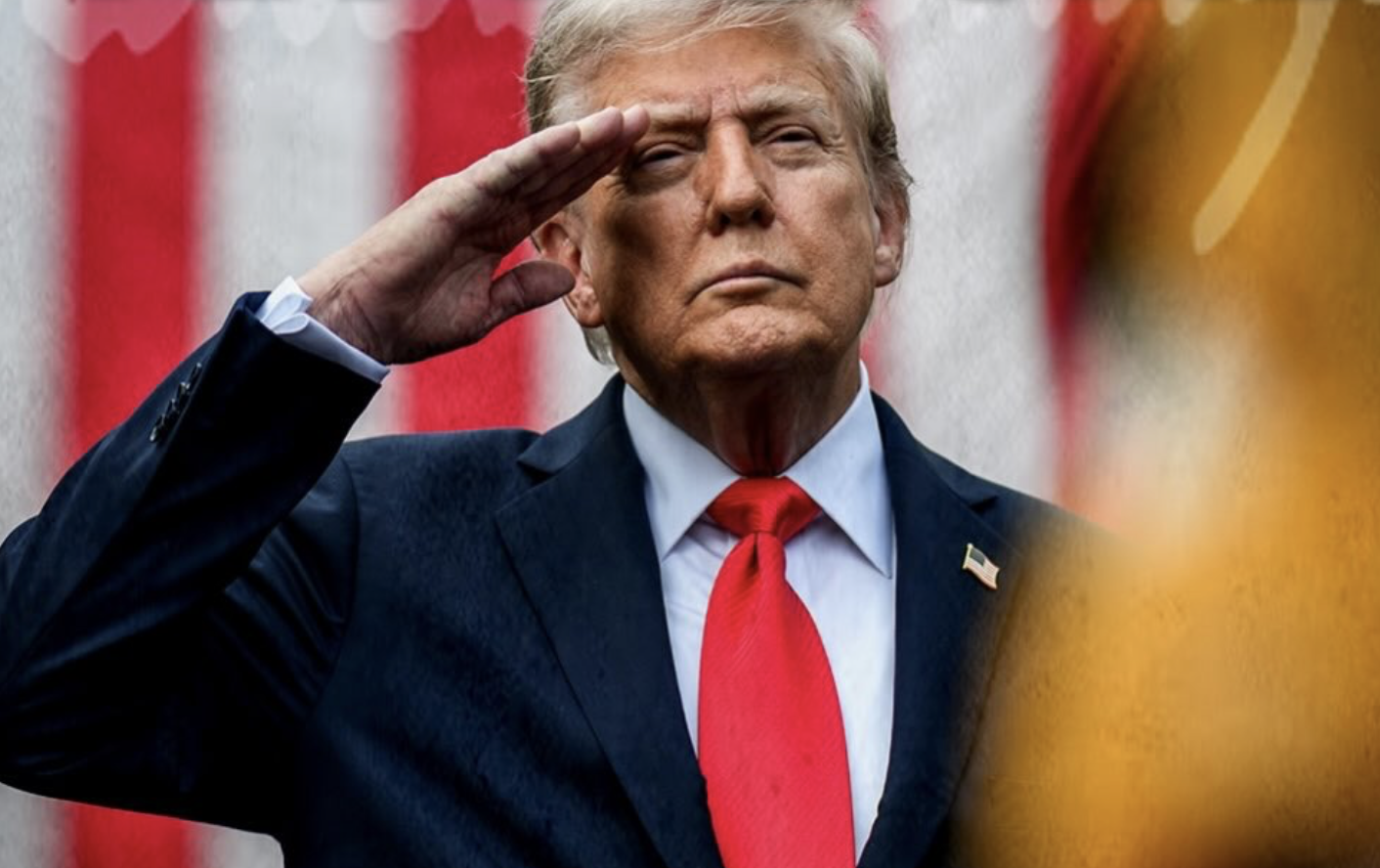
UPDATE: In a dramatic escalation, U.S. President Donald Trump has ordered the USS Abraham Lincoln Carrier Strike Group to leave the South China Sea and head to the Persian Gulf, a journey expected to take five to eight days. This move comes as tensions rise in Iran, where anti-government protests have raged for nearly three weeks, threatening regional stability.
The deployment includes advanced Arleigh Burke-class guided-missile destroyers and underscores Trump’s urgent military posture amid reports of planned executions of detained protesters. Despite assurances from Iranian officials that these killings have ceased, the U.S. maintains a readiness for military action, reflecting the administration’s strategy for swift intervention.
During crucial meetings with Vice President JD Vance and Pentagon officials, Trump emphasized the need for immediate and decisive military responses, stating, “If he does something, he wants it to be definitive.” This focus on speed is in stark contrast to previous U.S. interventions, which have often led to prolonged conflicts.
The backdrop of this crisis includes the June 2025 Operation Midnight Hammer, where Trump ordered an airstrike on Iranian nuclear facilities, involving over 125 aircraft and resulting in extensive damage without Iranian retaliation. The psychological effects of that operation loom large as tensions mount.
The ongoing protests in Iran, which began on December 28, 2022, over economic hardships, have escalated into a significant challenge for the regime. Amnesty International reports at least 2,400 deaths, while the Norway-based Iran Human Rights Organisation claims the number is as high as 3,428. Over 10,600 demonstrators have been arrested in just two weeks, and a near-total internet blackout has been imposed to stifle communication and documentation of the uprising.
The reported halt in executions has provided a glimmer of hope for some, including Erfan Soltani, a protestor who was spared from execution just hours before it was scheduled. However, with Iran’s chief justice advocating for expedited executions, concerns remain high.
When Trump announced that he had been told by “very important sources” that “the killing has stopped,” he added a note of skepticism, saying, “I hope it’s true. Who knows?” This ambiguity raises critical questions about the Iranian regime’s intentions moving forward.
The positioning of the USS Abraham Lincoln signals that Trump is prepared to respond forcefully should the Iranian regime resume executions. The destroyer group, equipped with advanced missile defense systems, can conduct strikes from a safe distance, minimizing risks to U.S. personnel.
As the situation develops, the potential for military action looms large, with the next few weeks critical for both diplomatic and military strategies. The world watches closely as the U.S. navigates this volatile landscape, balancing military readiness against the hope for diplomatic solutions.
Stay tuned for further updates as this story unfolds.