






























The political landscape in Venezuela shifted dramatically following the United States’ military operation that resulted in the capture of President Nicolas Maduro. In the wake of this operation, U.S. President Donald Trump announced that the United States would take charge of the country until a “safe, proper, and judicious transition” could be established. This move has sparked widespread discussion regarding what exactly Trump meant by “run” when addressing the future governance of Venezuela.
Initial reactions from the political community have highlighted the effectiveness of the U.S. military strategy. Commentators have pointed out the “extraordinary level of skill, technology, and daring” displayed by American forces, particularly when juxtaposed with previous operations, such as the attack on Iran’s nuclear program. Many observers noted that the recent operation sent a contrasting message from the chaotic withdrawal from Afghanistan.
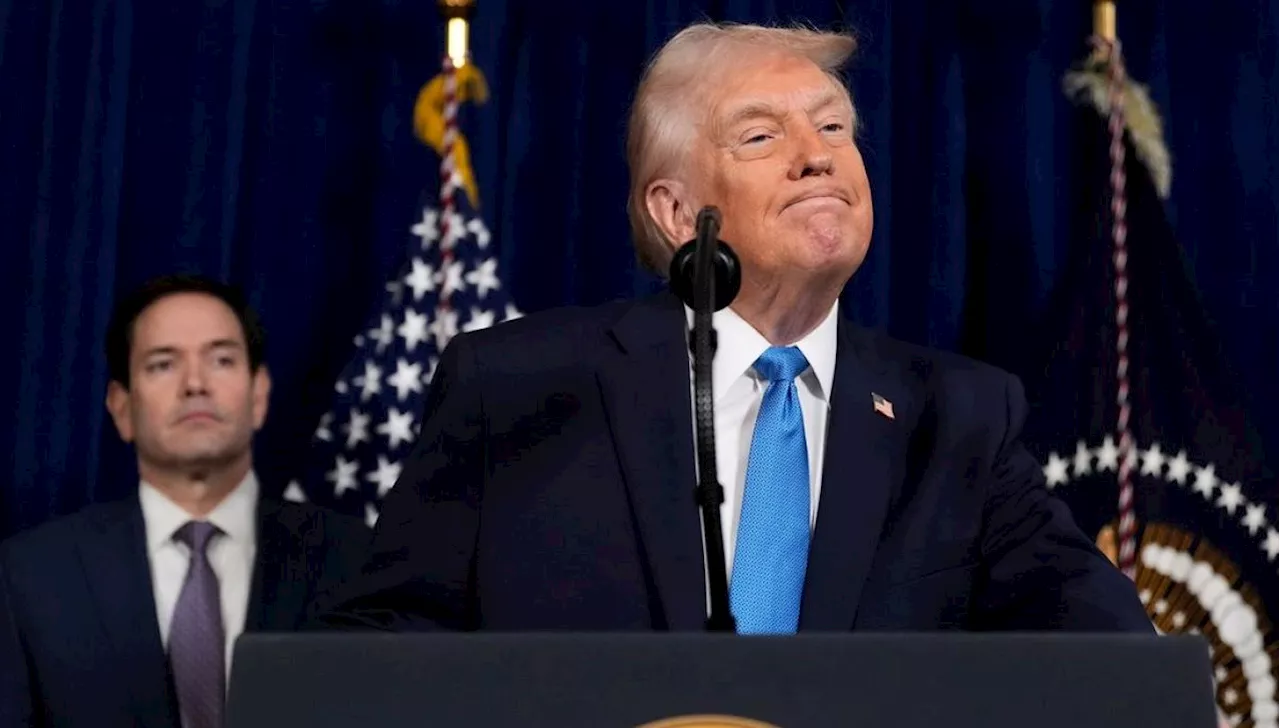
Trump’s declaration included a commitment to oversee the Venezuelan government until a suitable transition could be made. “We’re going to run until such time as we can do a safe, proper, and judicious transition,” he stated. This has led to questions about the exact nature of U.S. involvement in Venezuela and how governance would be structured.
During a subsequent press briefing, a reporter sought clarification about the operational framework for U.S. governance in Venezuela, specifically asking if U.S. officials would coordinate the country’s administration. Trump affirmed that plans were already in motion, indicating that individuals would soon be designated to key roles. “It’s all being done right now. We’re designating people. We’re talking to people,” he said, indicating that those involved would largely comprise individuals standing behind him, including key figures like Marco Rubio and Pete Hegseth.
When pressed about the implications of “boots on the ground,” Trump expressed confidence in the readiness of U.S. forces. “We’re not afraid of boots on the ground if we have to have,” he remarked, emphasizing that American troops had already been active in the country during the operation.
In subsequent appearances on morning news programs, Rubio elaborated on the administration’s stance, clarifying that the U.S. would not directly appoint Venezuelan officials or rewrite its laws. Instead, the focus would be on guiding Venezuelan leadership away from corruption, particularly in the oil sector, and fostering improved relations with the United States.
Rubio highlighted the importance of the Venezuelan oil industry, stating, “We don’t need Venezuela’s oil. We have plenty of oil in the United States.” He expressed concern over foreign adversaries, such as China and Russia, benefiting from Venezuela’s oil resources. “We’re not going to allow the Western Hemisphere to be a base of operation for adversaries, competitors, and rivals of the United States,” he asserted.
The U.S. is implementing a quarantine on Venezuelan oil, which Rubio indicated would hinder the country’s economic recovery until certain conditions aligned with U.S. interests are met. This strategy seeks to ensure that the oil wealth benefits the Venezuelan populace rather than foreign adversaries.
Despite the administration’s assertive rhetoric, critics have raised questions about the feasibility of a swift transition in Venezuela. The challenge for Trump will be to stabilize the country without escalating U.S. military involvement, which could lead to accusations of overreach and foreign entanglement.
As Trump navigates this complex scenario, the urgency for a quick resolution remains paramount. If he can achieve a smooth transition, it may bolster his political standing ahead of the upcoming midterm elections. Conversely, failure to stabilize Venezuela could result in significant political backlash for the administration.
The unfolding situation in Venezuela continues to captivate international attention, raising fundamental questions about U.S. foreign policy and the implications of military intervention in the region.