








































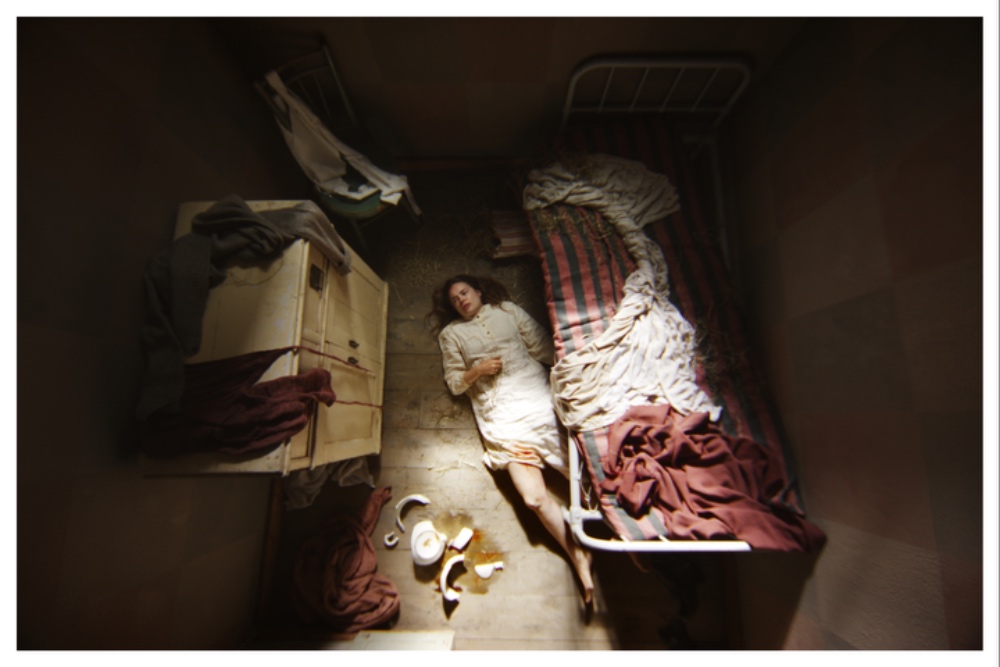
Finnish director Alli Haapasalo has launched her latest film, Tell Everyone, at the Göteborg Film Festival. The period drama, set in 1898, explores themes of female suffering and societal rejection, making it strikingly relevant to contemporary issues surrounding women’s mental health.
Haapasalo, known for her acclaimed film Girl Picture, addresses the historical context of women who resisted societal norms or committed offenses. In the film, these women are sent to the isolated island of Seili in the Finnish archipelago. The story revolves around Amanda, portrayed by Marketta Tikkanen, who is deemed “mad” due to her severe menstrual pain.
In an interview with Variety, Haapasalo commented, “That’s the saddest part of the story – it’s just as relevant. This film deals with female suffering, both mental and physical, still viewed through the same gender-biased lens.” The film, which is distributed by LevelK, highlights how societal attitudes towards women’s pain persist today.
The director was inspired by a New York Times podcast, The Retrievals, which discusses how female pain is often misunderstood and ignored. “Thousands of women suffer from PMDD [Premenstrual Dysphoric Disorder], yet it’s considered ‘insignificant’ because it doesn’t affect both genders,” she stated. Haapasalo’s commitment to portraying menstrual blood authentically was a crucial aspect of the film. “There was nothing awkward or shameful about it,” she remarked, suggesting a shift in how society views such topics.
Based on a novel by Katja Kallio, Tell Everyone explores the dark history of Seili, which transitioned from a leprosy hospital to a mental institution. Haapasalo noted that many women were institutionalized not only for mental health issues but also due to societal pressures and economic hardships. “If you weren’t productive, you were just another mouth to feed,” she explained.
The film also delves into the absurdities of the past, as Amanda claims to have flown to Paris in a hot air balloon, a story that piqued Kallio’s interest. “What if we believe her and don’t just dismiss it as the story of a crazy woman?” Haapasalo asked, emphasizing the importance of understanding women’s narratives.
Despite the harsh realities depicted, Haapasalo aimed to capture the beauty of the island’s natural surroundings. “If horrible things happen in paradise, well, then it’s not really a paradise,” she concluded, reflecting on the juxtaposition of beauty and horror in the lives of the women portrayed.
The cast, which includes Aamu Milonoff, Krista Kosonen, and Alma Pöysti, embraced a natural aesthetic for the film. Haapasalo recalled, “Not a single person asked: ‘May I please wear a bit of foundation?’” This choice aligns with ongoing discussions about authenticity and self-representation among women.
Within the narrative, Amanda struggles with her circumstances while forging connections with other women in Seili. The director noted that a male distributor expressed envy over the unique community depicted in the film, admitting he had never experienced anything like it. “It’s a small society with its own invisible hierarchies and secret relationships,” she described, hinting at the complexity of female bonds.
As the film industry faces concerns about a potential decline in support for female-led projects, Haapasalo reflects on the shifting dynamics. “After #MeToo, when women started getting more funding for their projects, some men immediately started to complain that, as a guy, you couldn’t get money anymore,” she stated. However, she noted a decrease in funding opportunities for women directors by 2024, contrasting her earlier experiences.
Haapasalo emphasized the need for diverse voices in cinema, stating, “Hopefully, though, we can recognize that a multitude of voices is better than having just one gender on top.” The character of Amanda embodies this spirit of defiance against oppressive structures. “She’s loud and obnoxious, and she does what she wants,” Haapasalo explained, showcasing a character who challenges societal expectations.
In an industry still grappling with gender biases, Tell Everyone presents a bold narrative that resonates with today’s conversations about women’s rights and mental health. Haapasalo’s work not only highlights historical injustices but also encourages viewers to reflect on ongoing struggles faced by women today.
























