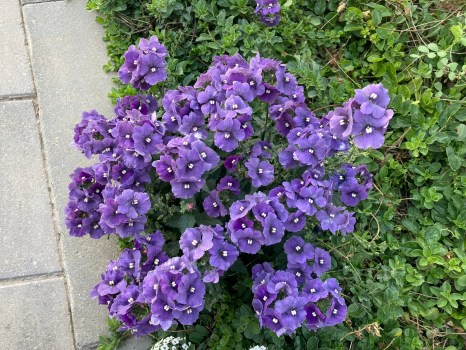
Gardeners in Southern California are turning their attention to a variety of plants that thrive in the region’s unique climate. One standout is the Cape jewel (*Nemesia caerulea*), a perennial flower known for its vibrant colors and delightful fragrance. While these flowers ideally bloom year-round, they often struggle during the hot summer months. Originating from the South African Cape Floristic Province, the Cape jewel thrives in conditions similar to those found in Southern California, despite experiencing slightly hotter summers.
The classic hue of the Cape jewel is purple, but gardeners can also find varieties in blue, lavender, and pink. Another related species, the annual Cape jewel (*Nemesia strumosa*), boasts larger, though less fragrant, flowers available in a rainbow of colors, including various bicolors. This diversity makes them a popular choice among local gardeners looking to add vibrant touches to their landscapes.
Unique Local Flora and Edible Plants
When considering the diverse flora of the region, the California fan palm (*Washingtonia filifera*) is often recognized as a native species. However, it is essential to note that the Guadalupe palm, found on the western islands of Baja California, also qualifies as a California native. This lesser-known palm produces small, edible fruits that turn black when ripe, resembling dates in taste. While it can grow in various environments, the Guadalupe palm yields more fruit along the coast and can reach heights of up to 30 feet, with a canopy diameter of 15 feet.
In addition to ornamental varieties, gardeners are encouraged to incorporate vegetables into their designs. Lettuce, for instance, is not only a nutritious addition but also comes in various shades, including green, red, burgundy, and bronze. By planting lettuce at three-week intervals, gardeners can ensure a steady supply for salads. It is advisable to harvest young leaves, which tend to be sweeter, and to choose heat-tolerant varieties that will not bolt easily.
Herbs and Weeding Practices
The cultivation of herbs remains vital for many Southern California gardens. One noteworthy herb is yerba mate (*Ilex paraguariensis*), which can be grown in similar conditions to coffee. This native South American tree, known for its invigorating properties, can thrive in the region, especially in protected patio containers. Yerba mate can reach heights of up to 50 feet in its natural habitat, but gardeners can harvest leaves once the plant reaches approximately three feet tall.
As the gardening season progresses, proactive maintenance is crucial. It is essential to remove weeds before they flower and produce seeds. Allowing weeds to seed can exacerbate future weed problems, as encapsulated wisdom suggests, “One year’s seeding makes seven years’ weeding.” Care should be taken to avoid adding persistent weeds, such as nutgrass and oxalis, to compost piles, as this can facilitate their spread throughout the garden.
With these strategies, Southern California gardeners can optimize their blooming seasons and cultivate a flourishing landscape. Whether through the vibrant colors of Cape jewels or the practicality of edible plants, there are numerous opportunities to enhance outdoor spaces this season.