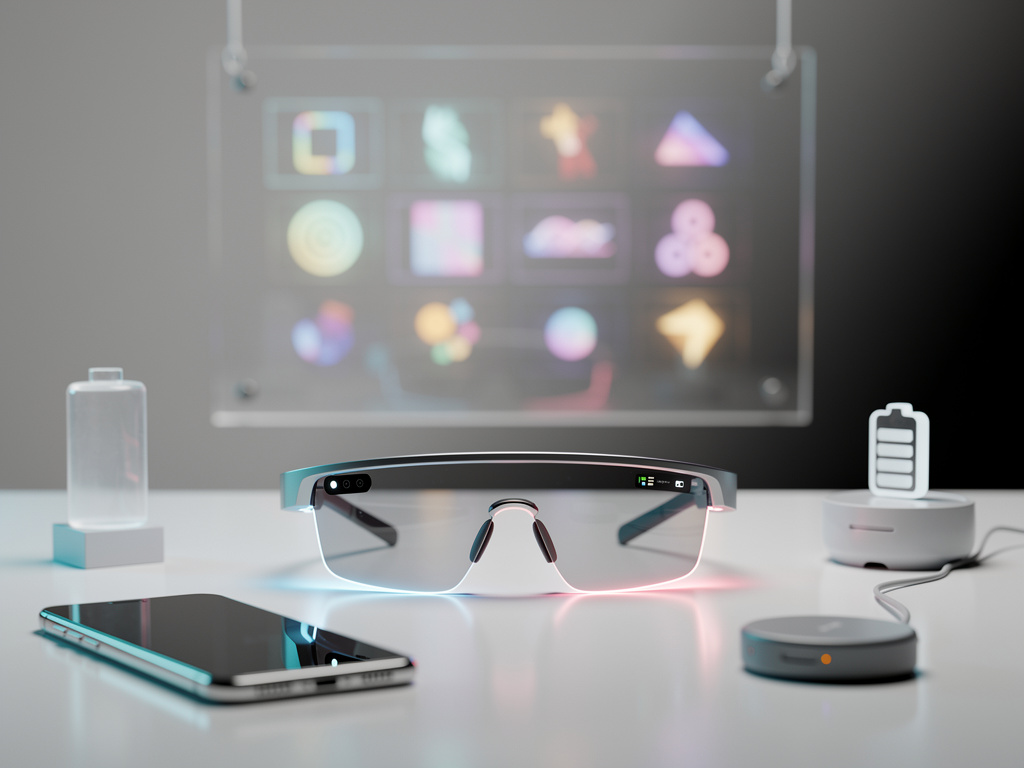
BREAKING: Smart glasses are revolutionizing content creation on TikTok, enabling users to capture videos hands-free as of late 2025. These wearable devices are blending augmented reality with everyday eyewear, allowing creators to post authentic and engaging content without relying on traditional smartphone filming.
As demand for spontaneity and authenticity surges, TikTok users are leveraging smart glasses to film while on the move—whether walking, cooking, or dancing. Recent statistics show a staggering 40% increase in point-of-view videos on TikTok, largely attributed to these innovative devices. The hashtag #SmartGlassesTikTok has gained billions of views, signaling a seismic shift in how content is produced and consumed.
Meta has joined forces with Ray-Ban, launching the Meta Smart Glasses, which allow effortless recording and direct syncing to social feeds. Meanwhile, Rokid is pushing boundaries with their latest models that feature multiple camera aspect ratios, eliminating the need for cropping videos for TikTok’s vertical format. A recent report from Gizmodo describes the integration as “less annoying” and significantly more efficient for creators.
Beyond ease of use, these smart glasses are equipped with AI-driven features that enhance creativity. Real-time overlays provide instant subtitles, effects, and scripts, transforming solo creators into polished producers. Users on X have expressed excitement over the ability to stream in HD directly to TikTok and other platforms, highlighting innovations like calorie counters and memory aids.
The rapid adoption of smart glasses is particularly pronounced among Gen Z and millennial creators, who are now leading the charge on TikTok. The stigma that once surrounded devices like Google Glass has faded, thanks to stylish designs and functional capabilities. Today’s fashion-forward frames are not only aesthetic but also incorporate anti-blue light technology, appealing to a broader audience. Popular hashtags like #TikTokGlassesTrend showcase how users are embracing oversized or sustainable designs.
Accessibility is also a key factor in expanding the user base. AI-enabled glasses that provide real-time captions are making TikTok more inclusive for the deaf and hard of hearing, fostering communities centered around these innovations.
However, the rise of smart glasses is not without challenges. Privacy concerns loom large, as built-in cameras raise questions about unauthorized recordings. Regulators are closely monitoring how these devices manage data, particularly in light of TikTok’s ongoing algorithm scrutiny.
Battery life and comfort have improved significantly compared to earlier models, with updates in 2025 allowing for extended usage without interruption. User feedback on X highlights these advancements, with many praising the seamless streaming capabilities.
The competitive landscape is heating up, with Meta’s collaboration with Ray-Ban solidifying its position as a market leader, while newcomers like Rokid offer affordable alternatives. Industry reports indicate that smart glasses shipments have doubled in 2025, fueled by social media integration, highlighting a major shift towards immersive content.
As creators adapt to these new tools, monetization opportunities are increasing. With less time spent on editing, content production is accelerating, leading to higher revenues from ads and sponsorships. Brands are capitalizing on this trend, sponsoring glasses-enabled challenges that are quickly going viral.
This technology is not just affecting TikTok; users are now able to stream to multiple platforms simultaneously, reshaping content strategies and making smart glasses a must-have for influencers. Health and wellness features, such as UV protection and voice control, further enhance the appeal for outdoor creators.
Despite concerns about over-reliance diluting creativity, advocates argue that smart glasses empower users, especially individuals with disabilities, by providing tools for real-time communication. As we look towards 2026, predictions suggest even deeper AI integrations, including predictive editing that anticipates trending elements before posting.
As the end of 2025 approaches, smart glasses stand at the forefront of a content creation revolution, promising to make TikTok posting not just faster but fundamentally more intuitive and engaging for creators worldwide. The line between observer and participant in social media is increasingly blurred, heralding an era where technology truly sees through our eyes. Keep an eye on these developments as they unfold!