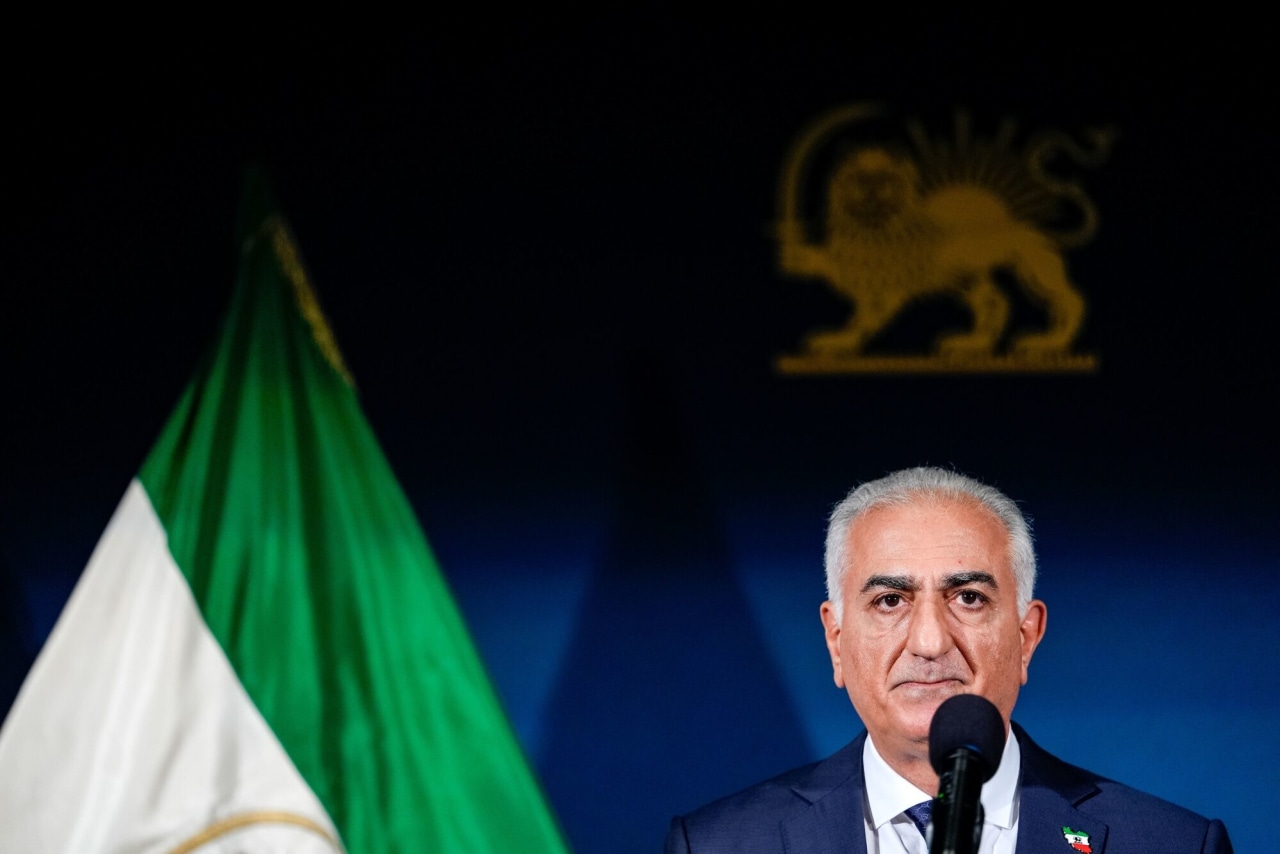
Reza Pahlavi, the son of Iran’s last Shah, has called for international military strikes against the Iranian regime. This statement marks a significant move as Pahlavi positions himself as a potential leader for Iran’s fragmented opposition, seeking to unite various factions against the current government.
In a press conference held on October 23, 2023, Pahlavi emphasized the need for decisive action to address what he described as the “tyranny” of the current regime. He stated, “The time has come for the free world to take a stand and assist the Iranian people in their fight for freedom.” His remarks reflect a growing sentiment among some opposition groups that military intervention could be necessary to restore democracy in Iran.
Pahlavi’s call for military intervention is notable given the complex geopolitical landscape in the region. He urged Western governments, particularly the United States and European nations, to reconsider their approach towards Iran, advocating for a more aggressive stance. This appeal appears to be aimed at galvanizing support for the opposition, which has struggled to mount a unified front against the Iranian government.
Interestingly, the Iranian government has condemned Pahlavi’s remarks, labeling him as an “outdated relic” of a bygone era. Officials have dismissed his calls for military action as futile, asserting that they do not represent the views of the Iranian population. This reaction underscores the ongoing tensions between the regime and those advocating for change.
Pahlavi’s speech gained attention not just for its content but also for the broader implications of his leadership aspirations. Many in the Iranian diaspora view him as a symbol of hope, while others remain skeptical about his ability to rally the opposition effectively. His previous attempts to unite various factions have met with mixed results, leading some to question his potential as a unifying figure.
As protests continue to erupt within Iran, fueled by economic hardship and political repression, Pahlavi’s calls for military strikes resonate with a section of the population that feels increasingly disenfranchised. The ongoing unrest has drawn international attention, prompting discussions about the West’s role in supporting Iranian dissidents.
While Pahlavi’s remarks could signify a turning point in the opposition’s strategy, they also raise critical questions about the feasibility and consequences of military intervention in Iran. Historical precedents suggest that external military action may lead to unintended consequences, complicating the already volatile situation.
In the coming weeks, the international community will likely scrutinize the implications of Pahlavi’s call for action. As debates on Iran’s future intensify, the response from Western governments could shape the trajectory of both the opposition and the regime’s survival.
Pahlavi’s advocacy for military intervention could either galvanize a new wave of support for Iranian dissidents or further polarize opinions surrounding the complex dynamics of Iranian politics. As he continues to assert his role in the opposition, the effectiveness of his leadership remains uncertain in the face of widespread challenges.
The situation in Iran will undoubtedly evolve as various factions respond to Pahlavi’s call. Observers will be keen to see whether his efforts will unite disparate groups or if his vision for a free Iran will struggle against the entrenched power of the current regime.