UPDATE: A revolutionary tool called the Proxmox Enhanced Configuration Utility (PECU) has just been unveiled, transforming the often cumbersome Proxmox setup into a streamlined experience. Users are expressing both excitement and frustration that they didn’t learn about this time-saving utility sooner.
Setting up Proxmox typically begins as a straightforward process but quickly evolves into a complicated maze of configuration tweaks. Users often find themselves buried under a series of guides, each detailing different aspects of the setup. With PECU, this tedious process is simplified into interactive menus, significantly reducing the hassle involved in setting up Proxmox Virtual Environment (VE).
Developed to enhance the user experience, PECU is a Bash-based utility that consolidates multiple configuration tasks into a single, easy-to-navigate interface. This approach makes it easier for users to handle everything from repository changes to kernel parameters and GPU passthrough, areas where many have struggled.
WHY THIS MATTERS NOW: In an age where efficiency is key, PECU emerges as a game-changer for home lab enthusiasts. It addresses a common pain point—repeatedly performing the same complex tasks—by offering a guided path through configurations. This tool not only eliminates wasted time but also builds user confidence, allowing for more reliable system administration.
Home lab users often have to juggle multiple resources to accomplish what should be straightforward tasks. With PECU, the repetitive nature of setup routines is transformed into a reliable process, avoiding the frustration tied to forgetting commands or losing track of procedures. One user noted, “Once I realized how much PECU could simplify my setup routine, I questioned why I ever did it the hard way.”
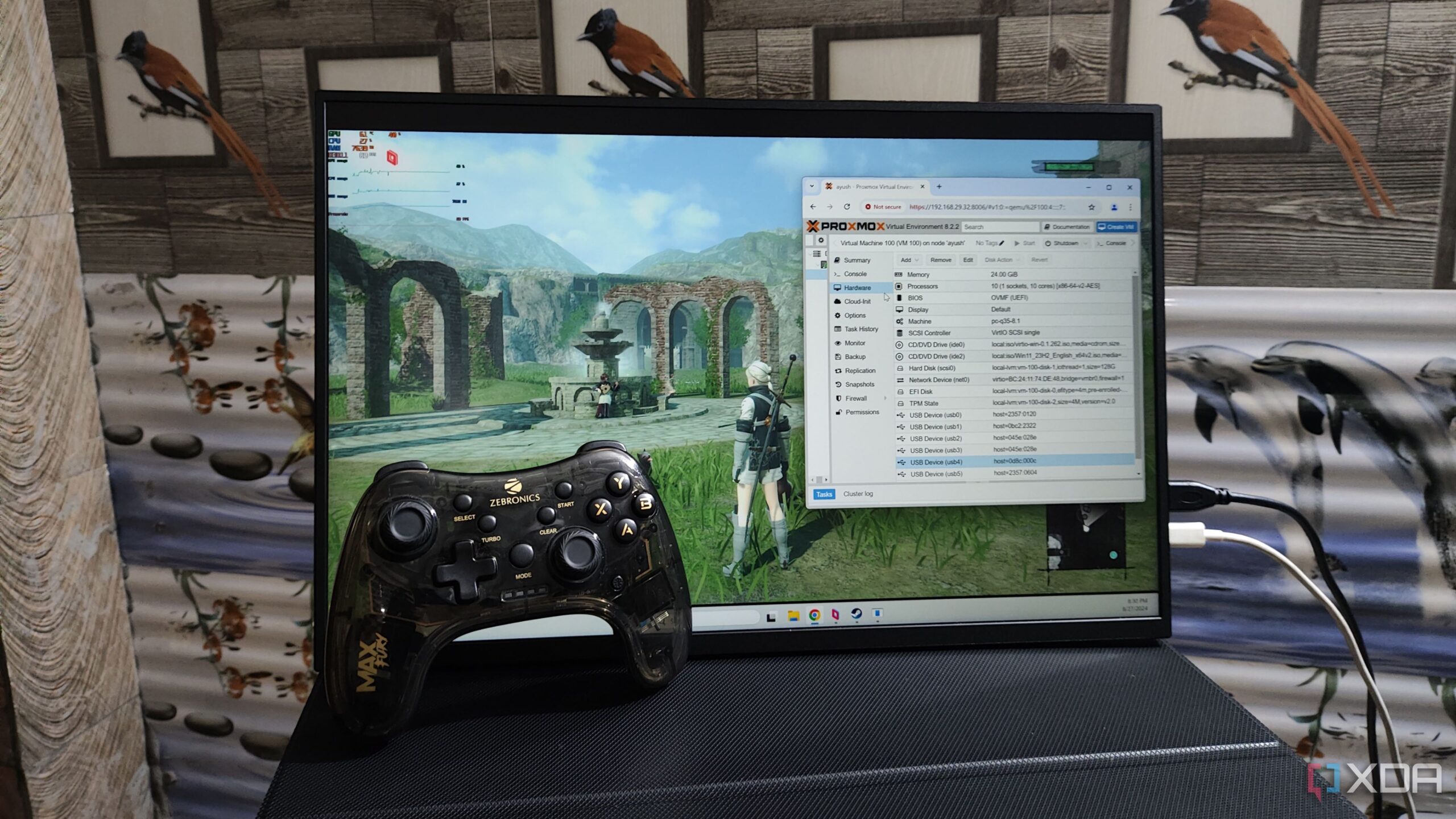
Beyond simplifying basic setups, PECU excels in more advanced configurations, particularly in GPU passthrough workflows. It provides tailored setups for major brands like NVIDIA, AMD, and Intel, ensuring that users can confidently navigate what is often a daunting process.
However, caution is warranted. Experts warn that while PECU streamlines many aspects of configuration, it still involves significant system changes that can impact host stability and boot behavior. “A menu does not magically make risky changes risk-free,” said one developer. Users are advised to ensure they understand the underlying operations to avoid potential pitfalls.
In the ever-evolving landscape of home labs, tools like PECU prove essential. As Proxmox projects grow and change, the utility adapts to various Proxmox generations, making it a worthwhile investment for users. Its emphasis on clear logging, validation, and backup procedures prepares it for real-world applications, setting it apart from one-off scripts.
Despite its advantages, some users caution against over-reliance on such tools, arguing that manual configurations can offer deeper learning experiences. However, the consensus among early adopters is clear: PECU is a practical solution that reduces unnecessary complexity, making Proxmox more accessible to a wider audience.
As users rush to incorporate PECU into their workflows, many express a mix of eagerness and annoyance—eager to streamline their setups but frustrated that this utility wasn’t available sooner.
WHAT’S NEXT: As adoption of PECU grows, users are encouraged to share their experiences and explore its full capabilities. This tool is more than just a shortcut; it represents a shift towards a more efficient and user-friendly environment for managing Proxmox.
The launch of PECU may very well mark a turning point for home lab users, combining convenience with control, and ensuring that the complexities of system administration do not deter passionate tinkerers from realizing their projects.