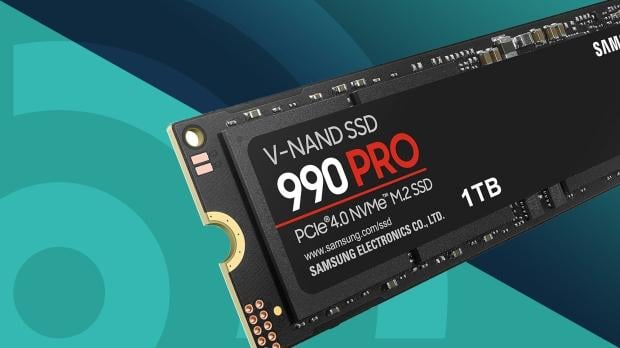
Recent decisions by major manufacturers, Samsung and SK Hynix, to reduce NAND production are likely to influence prices in the solid-state drive (SSD) market. The companies are reportedly shifting focus to more profitable segments, which could lead to increased price pressure on SSDs as supply dynamics evolve.
Both Samsung and SK Hynix, leaders in memory chip production, have been adjusting their strategies in response to changing market conditions. According to a report from TweakTown, these firms are prioritizing their resources towards sectors that yield higher profit margins, which may result in a significant decrease in the availability of NAND flash memory used in SSDs.
Market Reactions and Implications
The SSD market has seen fluctuating prices over the past few years, tied closely to the production levels of NAND chips. As Samsung and SK Hynix scale back output, analysts anticipate this will contribute to an uptick in prices. This development follows a broader trend of memory chip pricing, which has been volatile due to various economic factors, including supply chain disruptions and changing consumer demand.
Industry experts are closely monitoring how these production cuts will play out in the consumer electronics market. SSDs, which are favored for their speed and reliability, are widely used in laptops, desktops, and servers. Higher prices could influence purchasing decisions, particularly among budget-conscious consumers and businesses looking to upgrade their technology.
Previous Trends and Future Outlook
Historically, NAND prices have mirrored trends in DRAM memory, which has also faced supply issues and price increases. The interdependence of these memory markets raises concerns about the overall impact on technology pricing. As of March 2024, the cost of SSDs may escalate further if the production cuts by Samsung and SK Hynix persist.
The shift in production strategy may also reflect broader economic trends, such as inflation and supply chain adjustments, which have impacted various sectors globally. As manufacturers adapt to these challenges, consumers and businesses alike are bracing for potential hikes in technology costs.
In conclusion, the strategic decisions by Samsung and SK Hynix highlight the delicate balance between supply and demand in the tech industry. With SSD prices on the verge of rising, stakeholders will need to navigate this evolving landscape carefully. The long-term effects of these production cuts will depend on market responses and the ability of manufacturers to meet consumer needs in an increasingly competitive environment.