Iran’s parliament speaker, Mohammad Bagher Qalibaf, issued a stern warning to the United States regarding potential military retaliation if President Donald Trump follows through on threats of intervention amid ongoing protests in Iran. This statement came during a live broadcast of a parliament session on November 19, 2019, as the Iranian government intensifies its crackdown on demonstrators.
During his address, Qalibaf expressed strong support for the military’s actions against the protests, which have erupted across the country in response to rising fuel prices and widespread discontent. He emphasized that any American military presence could be met with significant repercussions, specifically targeting U.S. military bases in the region. This warning highlights the heightened tensions between Iran and the U.S., especially given the backdrop of ongoing unrest within the country.
Escalating Tensions in the Region
The Iranian parliament speaker’s remarks reflect a broader sentiment within the Iranian government regarding external influences. Qalibaf made it clear that any intervention by the U.S. would not be tolerated and would provoke a decisive response. He stated, “The presence of U.S. military forces and their allies in the region will be a target for our retaliation.” This statement underscores Iran’s commitment to defending its sovereignty amid perceived threats from foreign powers.
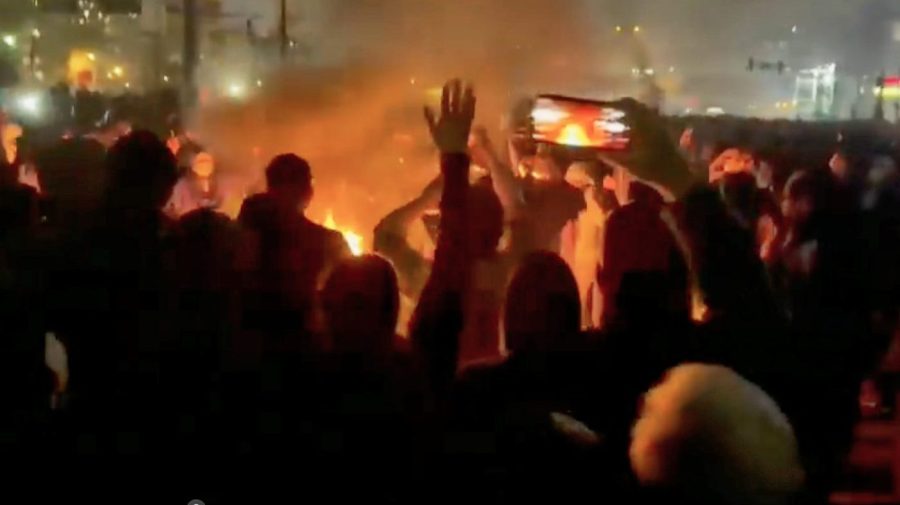
Protests have erupted in various cities, fueled by frustrations over economic conditions and government policies. The Iranian authorities have responded with force, resulting in numerous casualties among protesters. Human rights groups have reported that the crackdown has led to significant unrest, with thousands of people taking to the streets to voice their grievances.
In response to the situation, President Trump indicated that the U.S. is monitoring events closely. His administration has expressed solidarity with the Iranian people, advocating for their right to peaceful protest. However, Trump’s rhetoric has raised concerns about potential military action, further complicating an already volatile situation.
International Reactions and Implications
The ongoing crisis has drawn international attention, with various governments urging restraint from both Iran and the United States. Analysts warn that any military escalation could have far-reaching consequences, not just for Iran but for stability in the entire Middle East. The region has a history of conflicts that have been exacerbated by external interventions, and the current tensions could lead to further instability.
Iran’s leadership is acutely aware of the implications of foreign intervention, particularly from the U.S. and its allies. Qalibaf’s remarks are likely aimed at rallying domestic support while simultaneously sending a message to the international community about Iran’s resolve in the face of external pressures.
As the situation develops, the world watches closely. The potential for conflict remains high, and the actions taken by both Iran and the United States will significantly shape the future of regional dynamics. With protests continuing and the threat of military engagement looming, the stakes could not be higher for both nations and their citizens.