URGENT UPDATE: Tech enthusiasts are rapidly moving away from official ESP32 developer boards like the DevKitC, seeking more efficient alternatives that enhance project development. This shift is gaining momentum as users discover the limitations of standard offerings from manufacturers such as Espressif.
Recent trends show that while the DevKitC has been a staple in tutorials and projects, many developers are frustrated by its outdated features, such as the reliance on microUSB connectors, which are now seen as obsolete. The call for more versatile solutions is clear, with many users turning to third-party boards that offer integrated features like battery charging and improved connectivity options.
The XIAO line from Seeed Studio is a prime example of this evolution. Measuring only 21 by 17.5 millimeters, these compact boards come with built-in battery management, allowing developers to streamline their projects without the hassle of additional wiring. This is crucial for wearable and battery-powered devices, where efficiency is key.
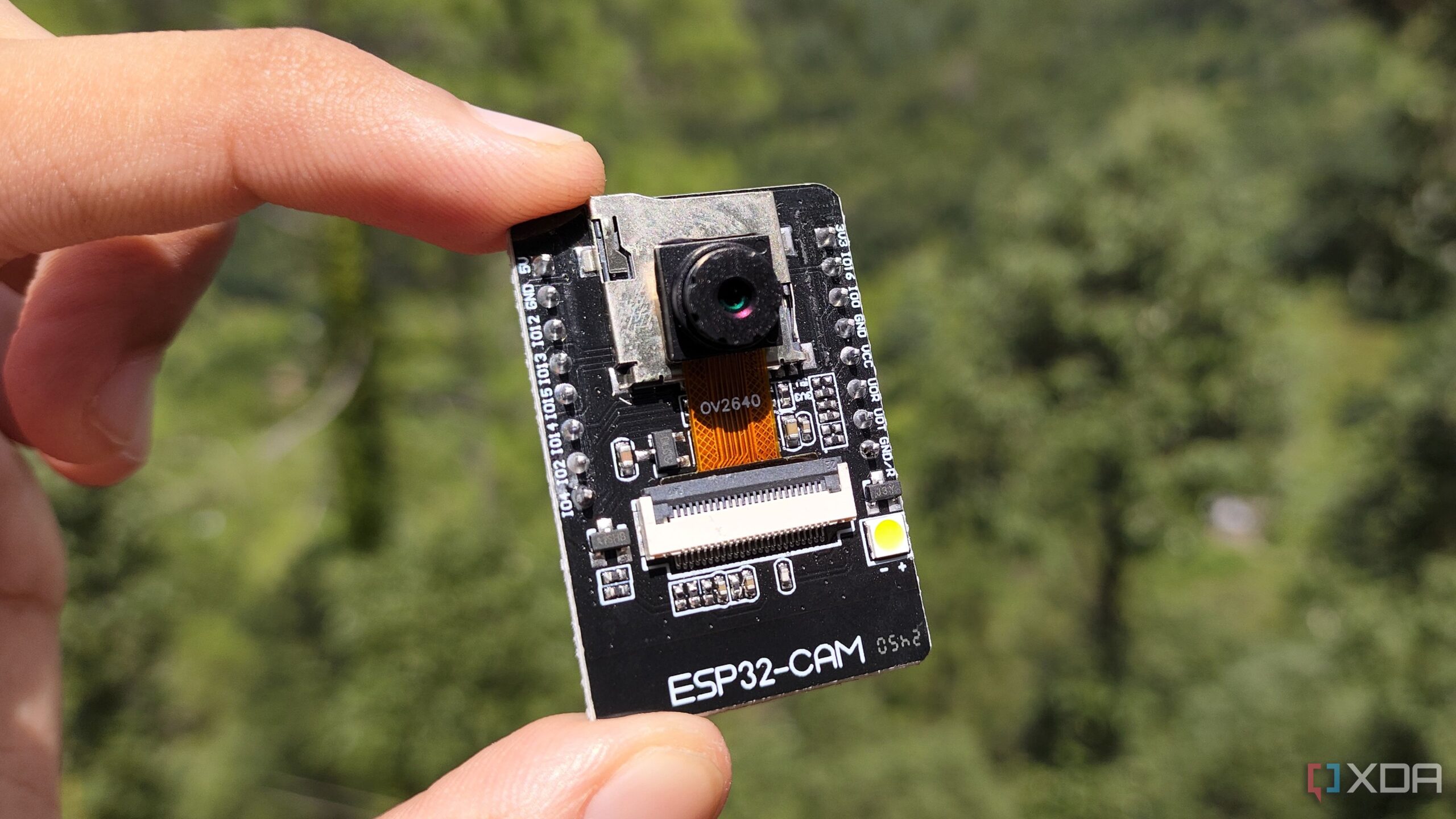
Astonishingly, many third-party boards are priced competitively, often around $7 to $8, while providing enhanced capabilities compared to official boards. For instance, the XIAO ESP32-S3 includes features that cater to specific use cases, such as TinyML image processing, which are not available on standard Espressif designs.
The move away from official boards also stems from their limitations in practical applications. Users have reported issues such as the ESP32-DevKitC V4 being too wide for standard breadboards, complicating project setups. In contrast, third-party options are designed with user convenience in mind, often addressing common challenges faced by developers.
Connectivity is another critical factor. While official boards typically utilize PCB trace antennas, third-party alternatives often offer U.FL connectors for external antennas, ensuring reliable performance over greater distances—vital for IoT applications. Developers have found that these improvements significantly enhance their project outcomes.
Additionally, many third-party boards are engineered for low power consumption during deep sleep modes. This is crucial for battery-operated devices, as official boards often maintain a higher current draw, leading to inefficient energy use. Developers report that by choosing boards from manufacturers like Adafruit and SparkFun, they can achieve microamp-level power savings.
Another consideration is the ease of use provided by proprietary ecosystems such as Qwiic and STEMMA QT. These systems simplify connections between boards and sensors, reducing the need for soldering and mitigating wiring errors. In contrast, the official DevKitC relies on bare pin headers, which can be cumbersome for developers looking for efficiency.
Despite the surge in popularity of third-party boards, the DevKitC still holds value for specific applications, such as testing new chip variants. However, for most practical deployments, developers are finding that third-party options not only save time but also enhance project functionality.
As the landscape of ESP32 development evolves, it’s clear that the future belongs to innovative alternatives that prioritize user needs. With the rapid development of advanced features in third-party boards, the shift away from official Espressif offerings is a trend worth watching. As community feedback continues to shape product offerings, the emphasis on practical, user-friendly design is set to redefine the standards for developer tools in the tech industry.
Stay tuned for more updates on this developing story as technology enthusiasts continue to explore the best solutions for their projects.