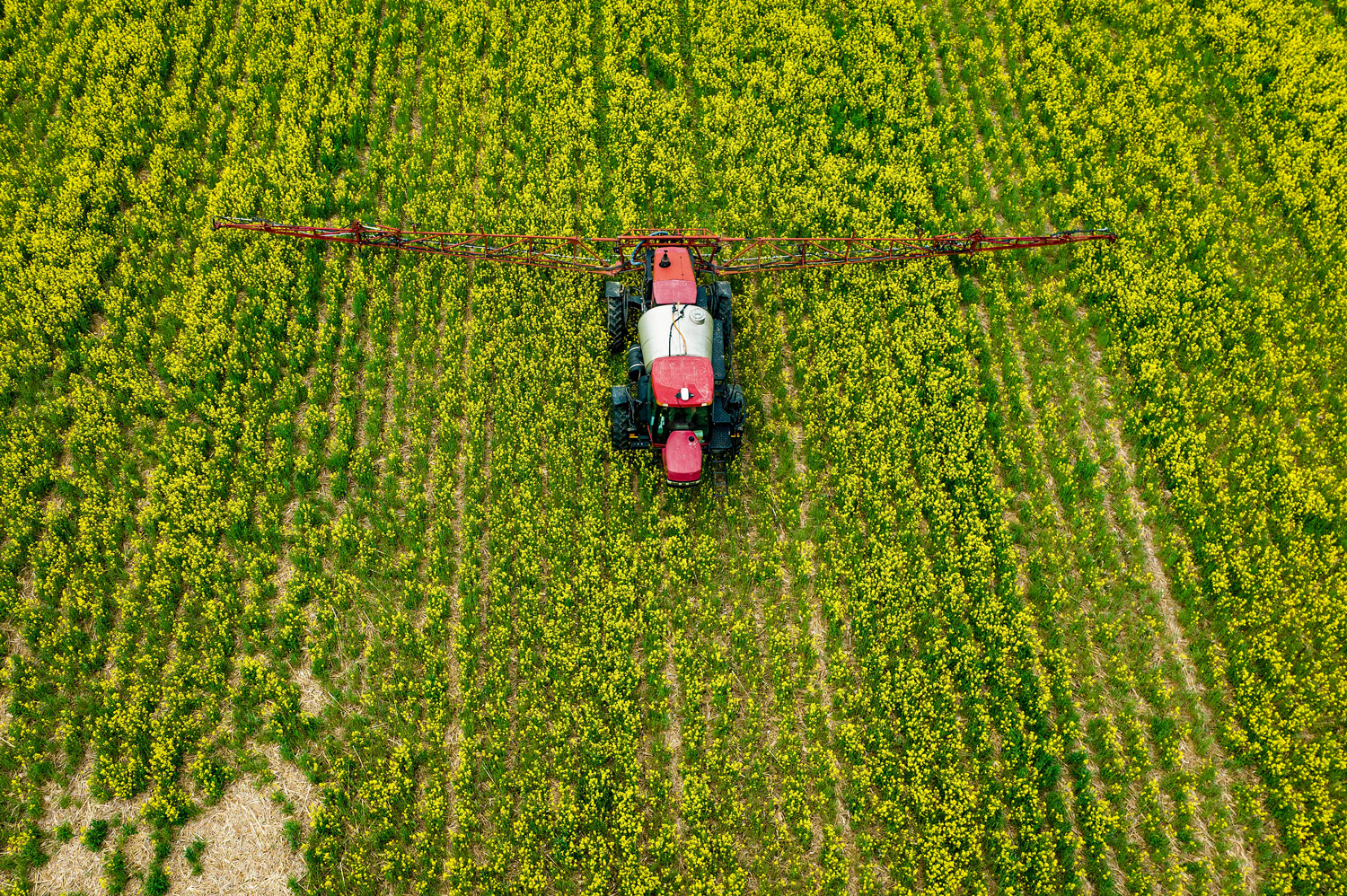
The House Homeland Security Committee convened a hearing on February 11, 2024, titled “Surveying the Threat of Agroterrorism, Part II: Assessing Federal Government Efforts.” The session began at 14:00 ET and focused on the risks posed by agroterrorism, which can have devastating effects on food security, public health, and the economy.
Key witnesses included Suzette Kelly, acting executive director of Agriculture Programs and Trade Liaison at U.S. Customs and Border Protection within the Department of Homeland Security; Matt Allen, director of the Office of Homeland Security at the U.S. Department of Agriculture; Jeff Cooper, program manager for the Probabilistic Analysis for National Threats, Hazards and Risks at the Science and Technology Directorate of the Department of Homeland Security; and Ashley Grant, senior health security and biodefense adviser at the Office of Health Security in the Department of Homeland Security.
During the hearing, committee members sought to evaluate the effectiveness of current federal initiatives aimed at preventing agroterrorism. Lawmakers expressed concerns that vulnerabilities in the agricultural sector could be exploited by malicious actors, potentially leading to widespread consequences.
The panel discussed various strategies being implemented to bolster defenses against these threats. Suzette Kelly highlighted the importance of collaboration between federal and state agencies, emphasizing that a coordinated approach is essential for timely detection and response to potential threats.
Matt Allen provided insights into the agricultural sector’s preparedness, noting that ongoing training and resources are critical for farmers and producers. He underscored the role of technology in monitoring and responding to risks, including the use of data analytics to predict potential incidents.
In addition, Jeff Cooper outlined the scientific methods being employed to assess threats and risks. He explained how probabilistic analysis can inform decision-making and enhance national security strategies.
The hearing also touched on public health implications, as Ashley Grant discussed the intersection of agroterrorism and health security. She stressed that an effective response plan must consider the potential for biological threats that could emerge from compromised food supplies.
As the hearing concluded, committee members reiterated the urgency of addressing agroterrorism risks. The discussions underscored the necessity for robust federal efforts and the importance of ongoing vigilance to safeguard the nation’s agricultural resources and public health.
The findings from this hearing will likely inform future legislative proposals and initiatives aimed at enhancing the resilience of the agricultural sector against potential threats.