








































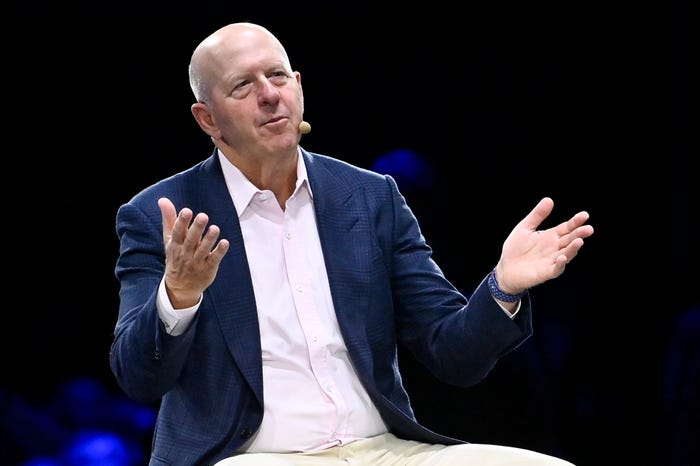
UPDATE: Goldman Sachs CEO David Solomon expressed surprise at the market’s relatively calm reaction to the escalating conflict in Iran during the Australian Financial Review Business Summit in Sydney earlier today. Despite the recent strikes by the United States and Israel on Iran, Solomon cautioned that it may take weeks for investors to fully grasp the economic consequences of this geopolitical turmoil.
Markets have displayed unexpected resilience amid the heightened tensions, with Solomon noting that the response has been “benign” given the severity of the situation. He stated, “I’m actually surprised,” as stock volatility and rising oil prices have rattled investors concerned about potential supply disruptions.
As of now, oil prices are climbing, fueled by fears of conflict spillover and its impact on global energy supply chains. Solomon emphasized that the implications of the Iran conflict could take “a couple of weeks” to be fully digested by the markets. He highlighted key uncertainties that will influence market stability, including whether the conflict will escalate further, affect global consumer confidence, or alter spending patterns worldwide.
While some market segments, such as cryptocurrencies and emerging market stocks, are experiencing pressure—evidenced by a significant decline of 5.2% in the MSCI Emerging Market Index this month—broader risk repricing appears to be underway. Solomon noted, “Whenever you have an event like this, people want a higher risk premium for any kind of risk asset they’re in.”
The volatility extends beyond the United States, with South Korea’s Kospi index plummeting sharply, triggering a circuit breaker after a staggering 8% drop. Investors are now faced with the critical task of navigating these turbulent waters as the geopolitical landscape continues to evolve.
As the situation develops, market participants are urged to stay vigilant and monitor the unfolding events closely. The implications of the Iran conflict are poised to ripple through the global economy, potentially altering risk perceptions and investment strategies in the weeks ahead.
Stay tuned for more updates as this situation progresses.
























