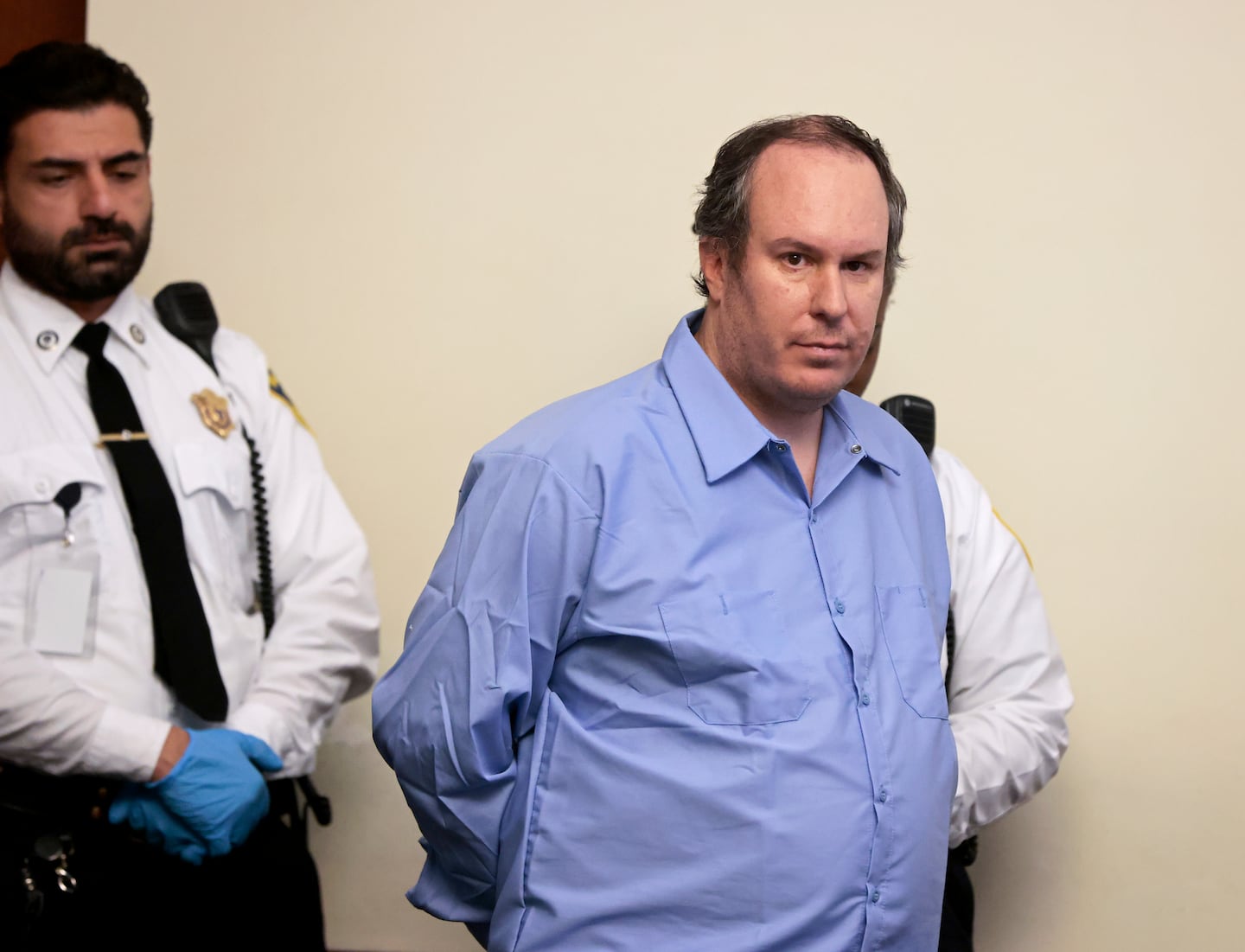
The legal battle surrounding the death of prominent Boston art collector John Axelrod is intensifying as the accused driver, William Haney Jr., prepares to mount an insanity defense. Haney, who is facing charges for deliberately killing Axelrod by driving onto the Commonwealth Avenue Mall, has a documented history of mental health issues that will likely play a critical role in the upcoming trial.
During a court hearing earlier this week, attorney Keith Halpern confirmed his intention to pursue this complex legal strategy. He indicated that Haney’s mental health struggles would be central to their defense. “It’s not a case involving somebody who was resistant to taking medications,” Halpern stated, emphasizing that Haney had been actively seeking appropriate treatment.
The tragic incident occurred on the morning of October 14, 2023, when Axelrod, aged 79, was walking his dog, an Australian terrier named Tale. Prosecutors allege that Haney accelerated his vehicle towards the pair, resulting in both their deaths. The shocking nature of the attack has left the Back Bay community grappling with the loss of a well-respected local figure known for his extensive art collection and love for dogs.
As the case unfolds, it raises significant questions about criminal responsibility, especially in light of mental illness. Legal experts contend that insanity defenses complicate the judicial process, challenging traditional notions of guilt and accountability. According to Janice Bassil, a Massachusetts defense attorney specializing in such cases, “Our system of justice is based on free will and responsibility. But you don’t hold people responsible if they didn’t know what they were doing.”
The Massachusetts Supreme Judicial Court recently denied a similar insanity defense in a case involving a man who killed his girlfriend as a teenager in 2011, despite evidence of mental illness. In contrast, prosecutors argue that Haney’s actions were intentional. Assistant District Attorney Ursula Knight asserted that Haney’s conduct amounted to “deliberate and premeditated murder.”
According to court documents, before the fatal incident, Haney allegedly approached a passerby and inquired about a man he believed was following him. Knight noted that Haney used derogatory language in reference to Axelrod and his dog, implying a possible history between them. This raises further questions about Haney’s mental state at the time, as he reportedly expressed delusions of being stalked.
Following the incident, Haney was ordered held without bail and was transported to Bridgewater State Hospital for psychiatric evaluation. A court hearing is scheduled for January 23, 2024. During the evaluation, psychologist Dr. Heather Jackson reported that Haney appeared not to comprehend the charges against him, displaying signs of disorientation and potential hallucinations.
Haney’s attorney hopes that the psychiatric evaluation will guide the state toward reconsidering the murder charge. In Massachusetts, defendants can face different outcomes based on the discretion of prosecutors, particularly when severe mental illness is evident. Often, when faced with such evidence, charges may be reduced, allowing for a bench trial instead of a jury trial, which may be more favorable for the defendant.
The complexities of these cases extend beyond the courtroom. Tim Bradl, a defense attorney and former prosecutor, highlighted the emotional toll on families of victims, who may struggle to accept that the accused suffers from serious mental illness. This skepticism can also affect jurors, making them hesitant to accept a mental health defense.
The role of psychiatric evaluations in these cases is crucial, often relying on interviews, police reports, and medical histories to assess the defendant’s mental state. Dr. Mark Rudolph, a forensic psychiatrist, noted that determining whether the defendant’s actions were driven by delusions is essential for establishing their legal culpability.
Experts are advocating for enhanced mental health treatment oversight in Massachusetts, which some view as lacking compared to other states in addressing the needs of individuals with serious mental illness. Dr. Jhilam Biswas, director of the Psychiatry, Law, and Society Program at Brigham and Women’s Hospital, emphasized the importance of preventing tragedies like this, stating, “The vast majority of people with serious mental illness are more often victims of violence, rather than perpetrators.”
As this case unfolds, it will undoubtedly continue to resonate within the community, highlighting broader issues related to mental health and the complexities of justice. The actions taken in the coming months will not only determine Haney’s fate but also contribute to the ongoing conversation about mental illness and accountability in the legal system.