URGENT UPDATE: A new report reveals that data centers in Indiana could account for over 20% of the state’s electricity consumption by 2030. The Electric Power Research Institute (EPRI) highlights a significant surge in energy demand driven by these facilities, raising critical concerns about the impact on residential customers.
The report, released on February 26, 2026, indicates that data center growth is not only anticipated but is already underway, with a projected consumption of up to 30% of Indiana’s electrical usage in the coming years. “The growth is coming,” stated Tom Wilson, EPRI’s principal technical executive. “Regulators are aware, and plans are being made to address this opportunity.”
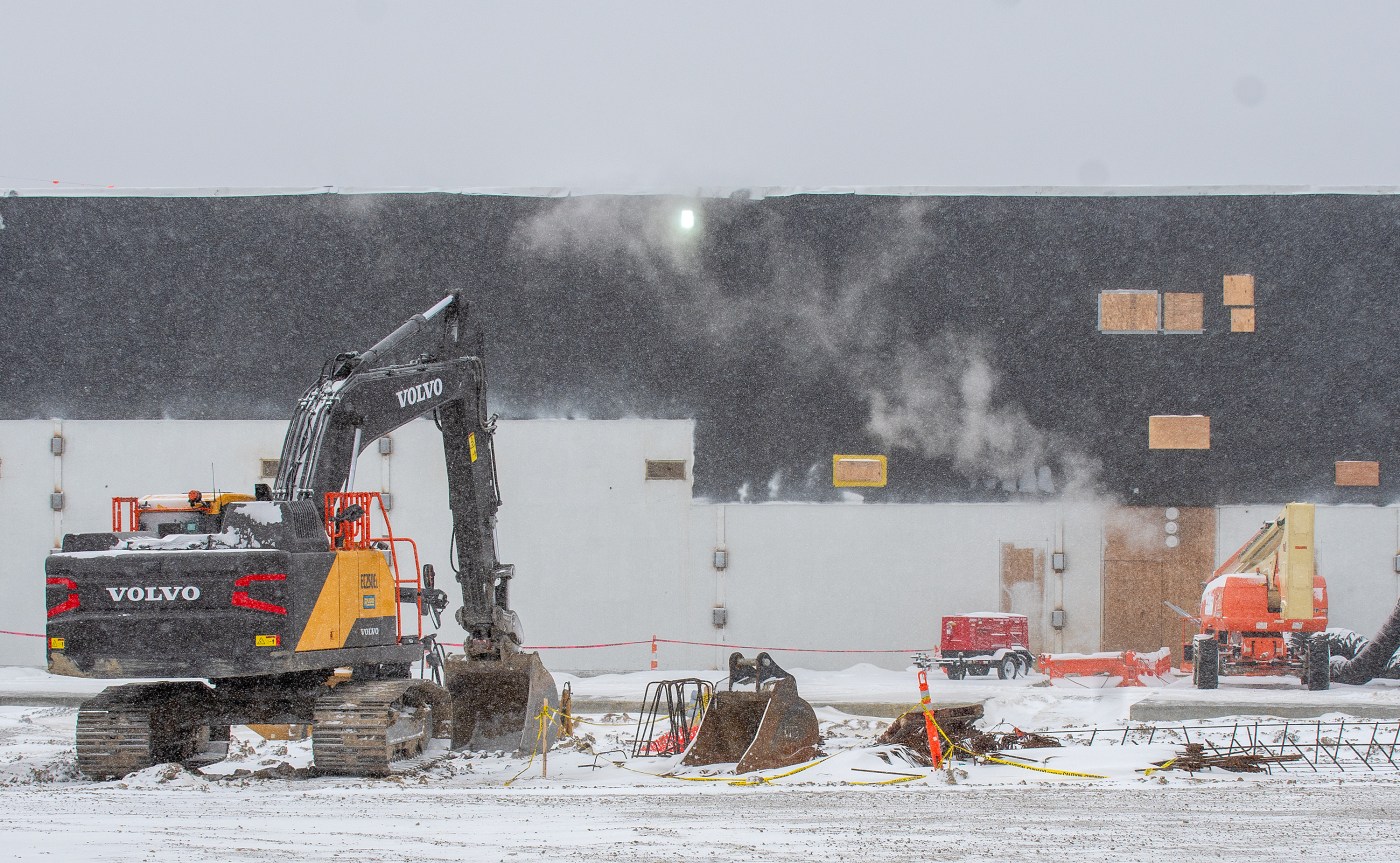
Currently, Indiana is witnessing unprecedented data center construction. An $832 million facility is being built in Michigan City, sparking speculation that it could be associated with tech giant Google. Additionally, Amazon Web Services has announced plans for a new data center in Hobart as part of a $12 billion investment across Northwest Indiana.
Concerns are mounting among local advocates regarding how this surge in energy demand will affect electricity costs for residents. Ben Inskeep, program director for the Citizens Action Coalition, commented, “There’s a tremendous amount of uncertainty about what could happen with data centers.” Inskeep warns that the rapid demand growth could destabilize the electrical grid, leading to increased costs for consumers.
EPRI’s analysis predicts that data centers nationwide will consume between 9-17% of U.S. electricity by 2030, a dramatic rise from about 4-5% currently. This projection is approximately 60% higher than estimates released in EPRI’s 2024 report.
The report also explores energy sources for data center operations. Currently, natural gas is the primary fuel due to existing state and federal policies, but there are calls for a shift towards renewable energy solutions. “The reality is somewhere in the middle,” Wilson explained, emphasizing the need for a mix of solutions for power generation.
Amid these developments, local officials are grappling with the implications of rising energy demands. Ashley Williams, executive director for Just Transition Northwest Indiana, expressed grave concerns, stating, “This is energy that our communities and economy rely on every single day, but instead it’s being monopolized to feed the artificial intelligence arms race.”
The situation is further complicated by regulatory measures. The U.S. Department of Energy has mandated that the Northern Indiana Public Service Company (NIPSCO) keep its R.M. Schahfer generating station operational until March 23, 2026. This emergency order aims to ensure that Midwesterners have access to “affordable, reliable, and secure electricity” during winter months.
In response to concerns about the impact of data centers, NIPSCO assured that its priority remains the affordability and reliability of energy for existing customers. The utility has introduced a model called GenCo, designed to ensure that data center developments will not shift costs onto residential customers. “Our first data center agreement is expected to deliver more than $1 billion in direct savings for our customers over 15 years,” NIPSCO stated.
As Indiana prepares for a future with increasing energy demands from data centers, questions loom about the capacity of the electrical grid to meet these challenges. The anticipated load growth poses a significant risk, and stakeholders are urged to address the evolving energy landscape.
WHAT’S NEXT: As construction continues across the state, residents and officials alike are watching closely. The outcomes of these developments will significantly impact energy costs and reliability for households in Indiana. The urgency for a sustainable and resilient energy strategy has never been more critical.