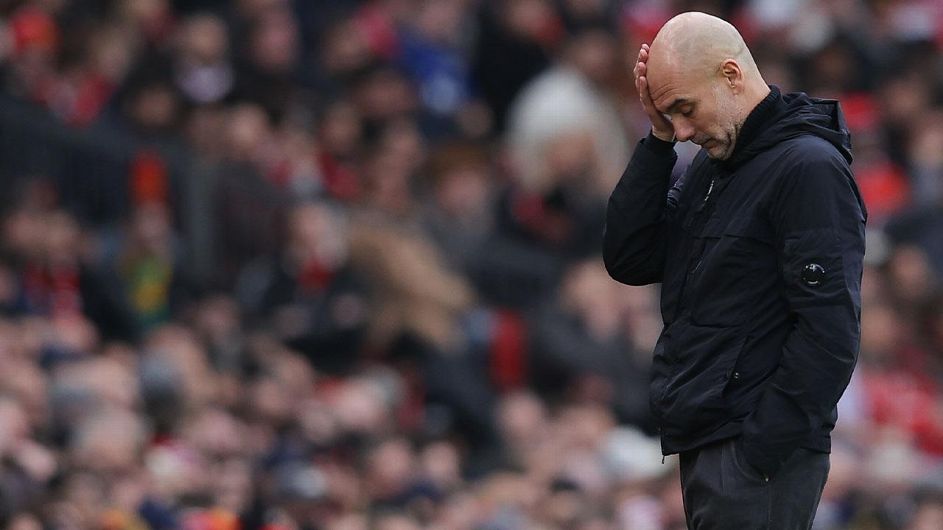
The recent Manchester derby, held on October 29, 2023, ended with Manchester United defeating Manchester City 2-0, but the match was not without its controversies. A pivotal incident occurred early in the game, raising questions about the Video Assistant Referee (VAR) process and its implications for player safety.
Understanding the Incident
Just ten minutes into the match, Manchester United defender Diogo Dalot committed a foul on Manchester City winger Jérémy Doku. Dalot’s challenge was late, catching Doku high on the knee. Referee Anthony Taylor initially issued a yellow card for the reckless challenge, a decision that was confirmed by VAR official Craig Pawson.
The review process followed standard protocol, as Pawson assessed the challenge through replays. He determined that the contact was glancing and did not exhibit excessive force, which influenced his support for the on-field decision. This conclusion has sparked significant debate among fans and analysts alike.
Examining the Rationale Behind the Decision
The choice to uphold the yellow card has been a major talking point, particularly given the derby’s high stakes. Dalot’s challenge was described as “lazy,” with critics arguing that it was unnecessarily late and dangerous. The nature of the challenge raised concerns about player safety, highlighting the complexities referees face during intense matches.
“The contact was unnecessarily late, high, and across Doku’s knee,” commented a former referee with extensive experience in VAR protocols.
Pawson’s decision-making process likely began with Taylor’s on-field assessment, which categorized the challenge as reckless rather than outright dangerous. While many believe that a red card would have been appropriate given the circumstances, the timing of the incident may have contributed to the reluctance to recommend an on-field review.
The debate surrounding this incident underscores the challenges faced by officials in the Premier League. As the VAR system evolves, discussions about its effectiveness and the consistency of decisions will continue to be at the forefront of football discourse. The implications for player safety and the integrity of the game remain paramount as stakeholders seek to refine the processes involved in officiating.
As the season progresses, fans and analysts alike will be watching closely to see how VAR decisions are made and whether the lessons from this derby will influence future matches.