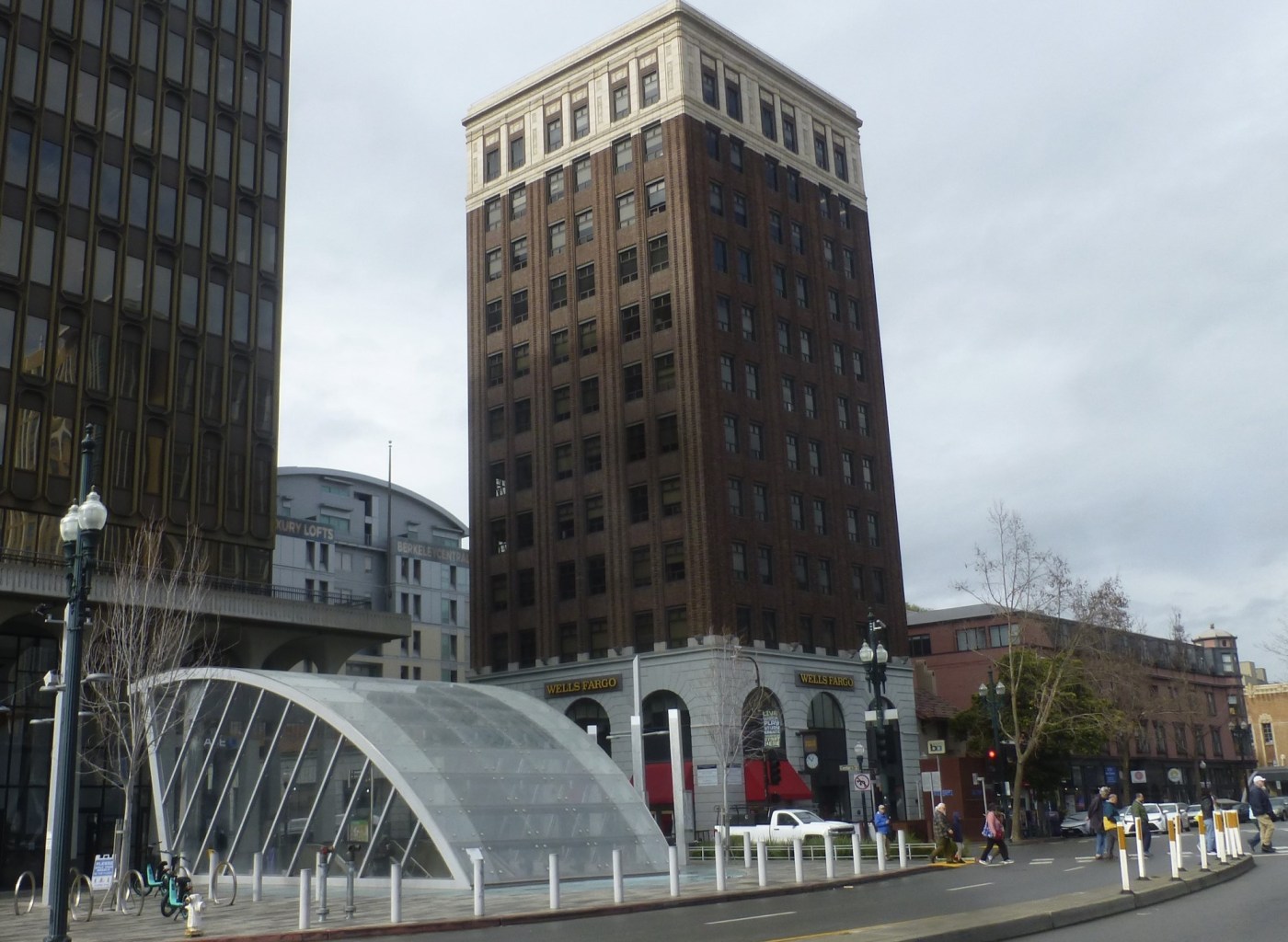
URGENT UPDATE: The Berkeley City Planning Commission is actively discussing potential limits on building heights, with a significant meeting just held on February 20, 1926. The commission aims to address concerns about public health and safety amidst growing urban development.
Officials report that while towering structures may symbolize a city’s prosperity, they also pose risks and challenge the ideals of a “City Beautiful.” The commission’s members are leaning toward a cap on new developments, suggesting that 10-story buildings may be sufficient for the time being. A formal height limitation ordinance is expected to reach the City Council within the next two weeks, highlighting the urgency of this decision for Berkeley’s urban landscape.
In related news, a large gathering of residents attended a hearing on February 18, 1926, urging the California Railroad Commission to reconsider its prohibition of a new auto ferry from University Avenue to San Francisco. Community members are advocating for better transportation options, but no immediate resolution has emerged from the commission.
Moreover, the Planning Commission is also eyeing a controversial proposal for a manufacturing zone west of San Pablo Avenue. This initiative could attract significant factory investments, but it raises concerns among local residents facing potential displacement. Many homeowners in West Berkeley fear losing their neighborhoods to industrial development, a situation that officials claim will be taken into consideration, though skepticism remains high among affected communities.
In a notable shift in infrastructure, the city is preparing to eliminate the last of its gas street lights. The Berkeley Gazette reported on February 23, 1926, that eight gas lights remain on Allston Way and will soon be replaced, reflecting a broader modernization effort across the city.
On an academic front, Dr. Nu Wing Mah‘s courses on “problems of China and the Far East” at UC Berkeley are gaining attention. As one of the few Chinese educators in the U.S. at the time, Dr. Mah is committed to enlightening students about cultural differences, stating, “I find American students intensely interested in these problems.” His work remains crucial in diversifying the university’s curriculum.
Additionally, the United Veterans Council has pledged to seek a site for a veterans memorial in Berkeley, with representatives set to approach the Alameda County Board of Supervisors. This initiative underscores the community’s commitment to honoring those who have served.
In somber news, the community mourns the loss of Elizabeth Brewster Scribner, a Civil War nurse, who passed away on February 17, 1926. She died at her daughter’s home on Shasta Road. Furthermore, on February 23, 1926, the passing of Mrs. Alan E. Hemme, a significant figure in local history, has left a deep mark on the community.
These unfolding events in Berkeley are set to shape the city’s future significantly. Residents are encouraged to stay informed and participate in upcoming discussions as these critical decisions are made.
Stay tuned for more updates as these developments progress.