Urgent Update: New research reveals that ancient bees, specifically the species Osnidum almontei, nested inside the bones of dead rodents over 5,000 years ago on the island of Hispaniola, now shared by the Dominican Republic and Haiti. This groundbreaking study, published in Royal Society Open Science, uncovers a remarkable adaptation by these burrowing bees, who found natural cavities within the remains of rodents, rather than creating their own nests.
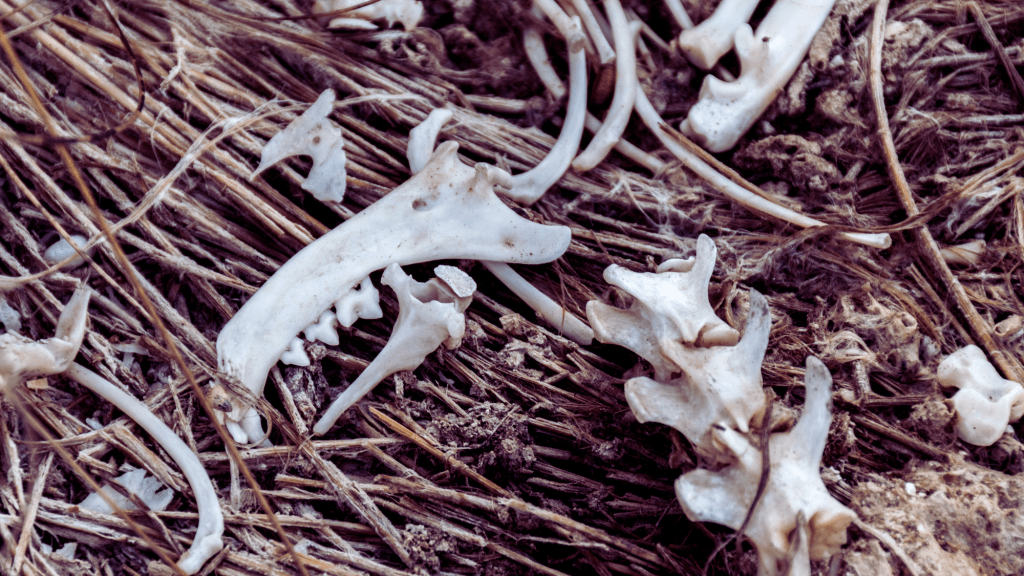
The astonishing discovery, made in a cave filled with rodent bones, suggests a unique ecological interaction between these bees and their environment. Researchers found evidence that bees used hollow teeth and vertebrae of hutias, stocky rodents resembling a squirrel-beaver hybrid, to build their brood chambers. This method highlights the bees’ opportunistic behavior, as they utilized existing structures instead of digging new tunnels.
Latest findings indicate that these nests were not a random occurrence. An illustration reveals that one tooth cavity contained as many as six nests stacked inside one another, indicating that multiple generations returned to this location after earlier nests were abandoned. This is the first known instance of bee nests built within preexisting fossil cavities and only the second documented case of burrowing bees nesting inside a cave at all.
The bones were deposited in the cave long before the bees arrived. Scientists believe they were left there by an extinct species of barn owl, Tyto ostologa, which hunted hutias. The owl either transported the rodents whole into the cave or regurgitated pellets that contained bones. Over centuries, sediment gradually filled the cave, preserving these remnants until the bees arrived.
The immediate relevance of this discovery cannot be overstated. The cave’s geological features, primarily its sharp limestone landscape, limited nesting options for the bees, making this cave a critical habitat. Co-author Mitchell Riegler from the University of Florida emphasized the significance of the findings, stating, “The area we were collecting in is karst, so it’s made of sharp, edgy limestone, and it’s lost all of its natural soils.”
However, the cave is now facing threats from development plans to convert the site into a septic storage facility. Lazaro Viñola Lopez, the lead author from the Field Museum, described the urgency of their mission to rescue the fossils: “We had to go on a rescue mission and get as many fossils out as possible.” Fortunately, those plans fell through, but many fossils remain unstudied, indicating that this intriguing collaboration between bees, owls, and rodents may have much more to reveal.
This fascinating study not only sheds light on the ancient behavior of bees but also raises concerns about the preservation of vital ecological sites. As research continues, the implications of these findings could reshape our understanding of ancient ecosystems and the interactions within them. Stay tuned for more updates as this story develops, and share this compelling discovery with others interested in the wonders of nature.