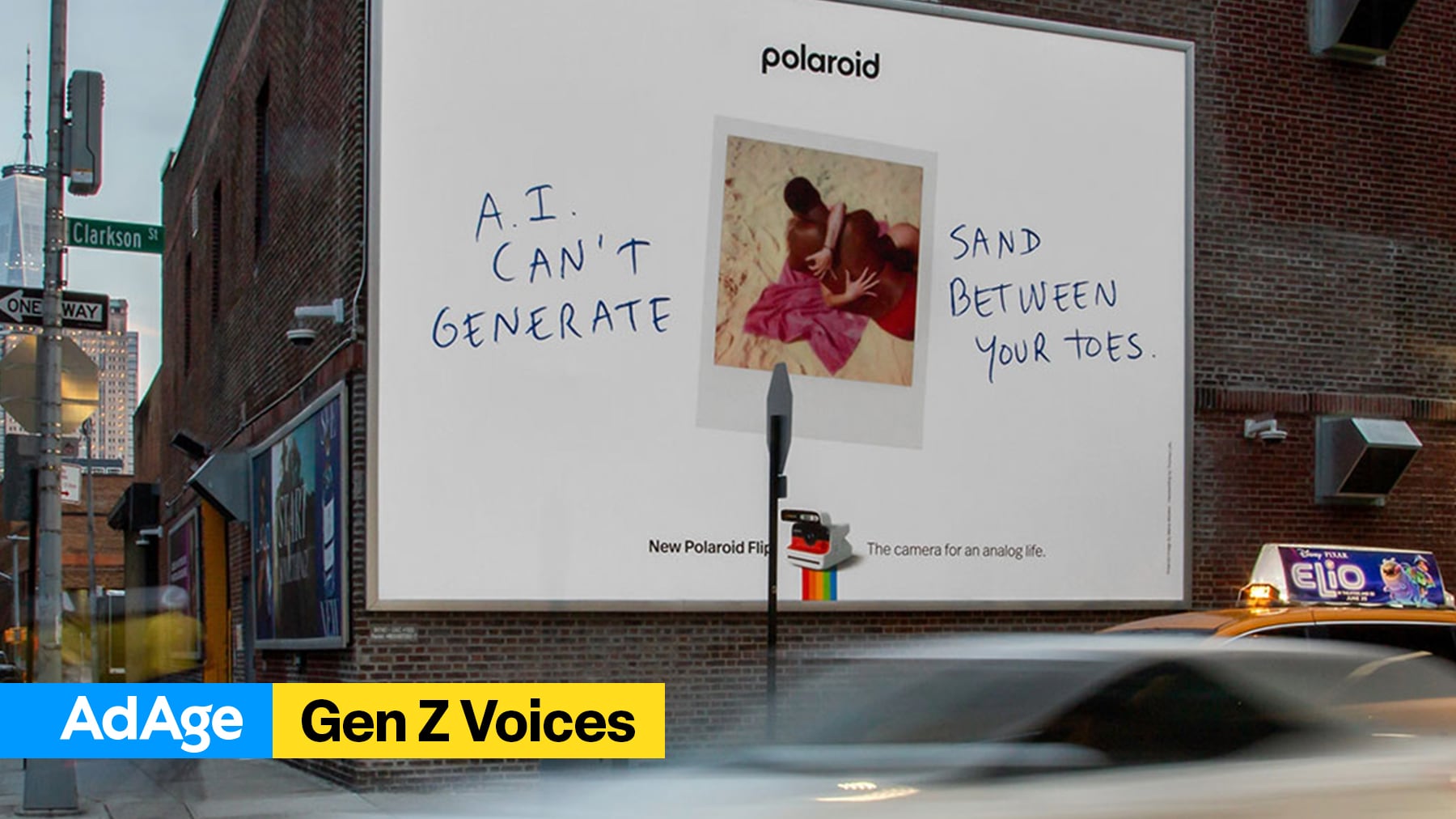
A notable shift is occurring among Generation Z as they embrace a more mindful lifestyle, prioritizing mental well-being over the fast-paced trends that once defined youth culture. This change has significant implications for marketers seeking to connect with this demographic, which includes individuals born between the late 1990s and early 2010s.
As of 2023, surveys indicate that over 70% of Gen Z respondents express a desire to slow down and engage in activities that promote mental health. This contrasts sharply with previous generations, where socializing often meant late-night outings and constant engagement with the latest trends, such as acquiring the newest smartphone or visiting the trendiest bars.
Understanding Gen Z’s Values
The evolving preferences of Gen Z reflect a broader cultural shift. Many young individuals identify with values such as sustainability, authenticity, and community. According to a report from McKinsey & Company, approximately 50% of Gen Z consumers prioritize brands that demonstrate social and environmental responsibility. This trend signals a departure from the consumerism of prior generations, indicating that marketers must adapt to the changing landscape.
Social media plays a critical role in shaping these new preferences. Platforms such as Instagram and TikTok have become essential tools for engaging with Gen Z, yet the content that resonates is increasingly focused on mental health and self-care. Influencers who promote balance and authenticity often attract larger followings than those who merely showcase luxury lifestyles.
Marketers are now tasked with creating campaigns that align with these values. A successful strategy might involve promoting products that enhance well-being, such as wellness apps, eco-friendly goods, or community-focused initiatives.
Implications for Marketing Strategies
To effectively reach this audience, brands must adopt a more reflective approach. Traditional marketing tactics that emphasize speed and trendiness may not resonate with Gen Z consumers. Instead, engaging storytelling that highlights personal experiences and authentic connections is essential.
For instance, brands that showcase real stories of individuals improving their mental health through their products can foster genuine connections. In a recent campaign, a popular mental health app shared user testimonials that highlighted the positive impact of mindfulness practices, resulting in a significant increase in user engagement.
Additionally, as Gen Z continues to advocate for mental health awareness, marketers should consider partnerships with mental health organizations or initiatives. Such collaborations can enhance credibility and demonstrate a commitment to the well-being of their audience.
As this generation continues to shape consumer behavior, brands that embrace a more thoughtful and intentional marketing strategy stand to benefit. By aligning with Gen Z’s values and focusing on meaningful engagement, marketers can forge lasting connections in a rapidly changing landscape.
In conclusion, the shift toward slowing down is not just a trend; it represents a fundamental change in how Gen Z interacts with the world. Marketers who recognize and adapt to these evolving preferences will be better positioned to thrive in the future marketplace.