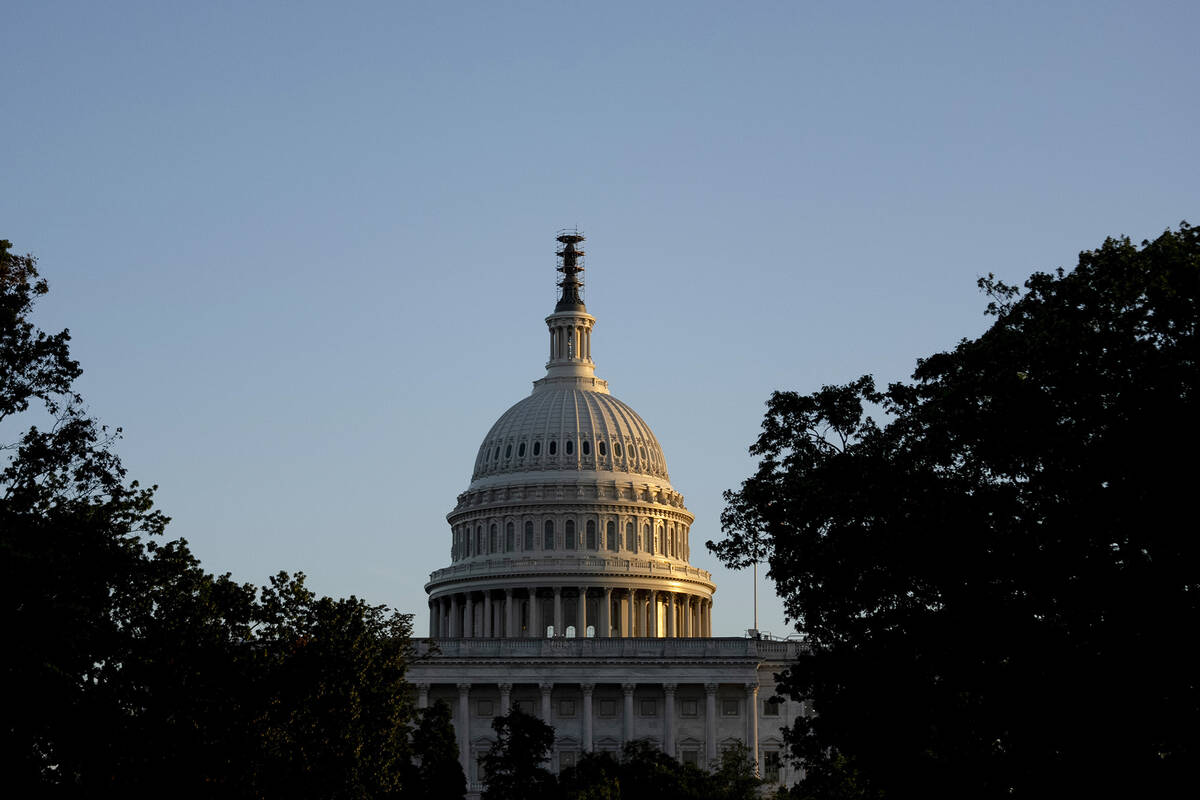
The ongoing challenges facing Congress have sparked discussions about the potential role of artificial intelligence (AI) in governance. As lawmakers struggle with dysfunction, threats of government shutdowns, and partisan disagreements, some are humorously questioning whether AI could perform better than the current political system.
Advocates for AI highlight its ability to enhance human thinking rather than merely automate tasks. Unlike human legislators, an AI system would not require campaign donations or engage in crafting evasive talking points. Instead, AI could analyze vast amounts of data, evaluate outcomes, and provide evidence-based recommendations. Proponents argue that a machine, devoid of ego and outside influences, might navigate complex political landscapes more effectively than elected officials.
While no one is seriously proposing to replace human lawmakers with machines, the suggestion raises important questions about the effectiveness of modern governance. The current political climate often sees representatives prioritizing short-term optics over long-term solutions. This approach can lead to decisions that do not fully consider the needs of constituents or the implications of policies.
Lessons from AI for Modern Governance
In a time when technology is capable of optimizing traffic systems, detecting fraud, and assisting medical professionals in saving lives, it is reasonable for citizens to consider if AI could bring similar improvements to Congress. The notion is not to diminish the value of human judgment, values, and accountability in democracy, but rather to explore how technology might inform and enhance these qualities.
The frequent absence of these attributes in decision-making processes raises concerns among voters. Many citizens are frustrated by the disconnect between their needs and the actions of their representatives. An AI, focused on outcomes rather than political survival, could potentially address these gaps.
The conversation about AI’s role in governance underscores a broader desire for accountability and effectiveness in political systems. As the technology continues to evolve, it may offer insights into how Congress can better serve the American public. Emphasizing evidence-based decision-making and genuine communication could lead to a more responsive and responsible government.
By considering the strengths of AI, lawmakers might find valuable lessons in the importance of listening to constituents, prioritizing factual analysis, and seeking sustainable solutions. While the idea of an AI-led Congress remains firmly in the realm of speculation, it highlights a growing desire for innovation in governance and a more engaged political landscape.