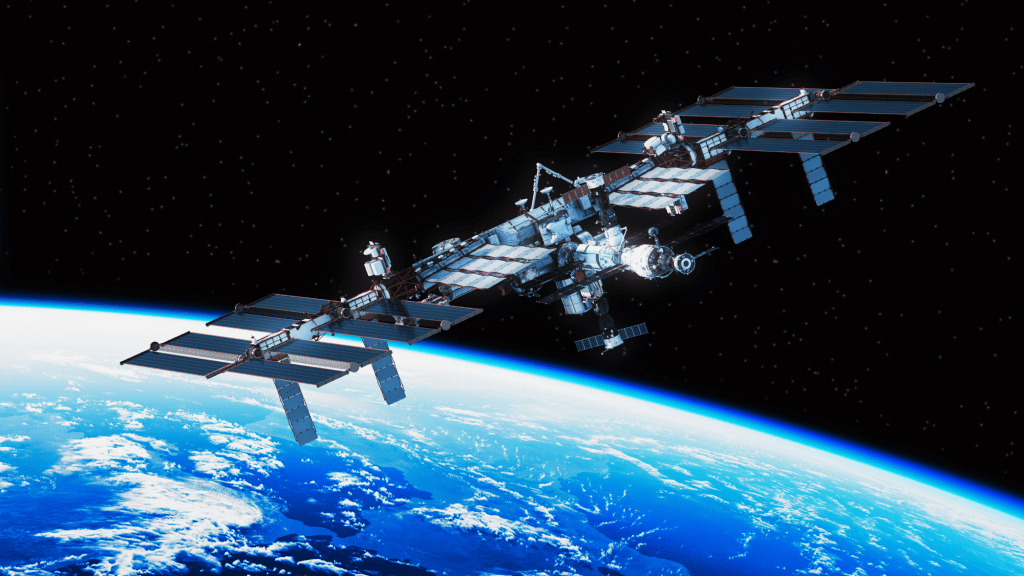
Research aboard the International Space Station (ISS) has revealed that viruses that target bacteria, known as bacteriophages, exhibit unique evolutionary traits in microgravity. A study published in PLOS Biology details how these phages interact with E. coli, highlighting the unexpected ways life adapts to the complexities of space.
The study found that bacteriophages initially demonstrated slower infection rates in the microgravity environment. This delay can be attributed to the way fluids behave in space, where the absence of gravity prevents the swirling and mixing that typically aids in the interaction between viruses and bacteria on Earth. Researchers compared the space-grown phages with those cultivated on Earth, observing significant differences in their evolutionary paths.
Once infection occurred, the results diverged sharply from expectations. The bacteria aboard the ISS developed enhanced defenses, while the phages adapted to breach these barriers more effectively. Some mutations in the space-grown phages affected genes that are rarely altered in Earth-based lab conditions, suggesting a profound shift in microbial behavior under space conditions.
According to Vatsan Raman, the lead researcher, microgravity does not merely delay infection; it actively influences microbial evolution. The ISS acts as a biological pressure cooker, driving organisms in unpredictable directions. This phenomenon has significant implications for future long-term space missions, as microbes aboard spacecraft will not remain static. They are likely to evolve, which could impact both astronaut health and the onboard ecosystem.
The potential risks associated with evolving microbes could pose challenges during extended missions to other planets or distant galaxies. Yet, there is a silver lining. Some mutations observed in space-based phages enhance their ability to combat antibiotic-resistant strains of E. coli, which are linked to urinary tract infections. This suggests that space research could lead to breakthroughs in phage therapy, offering new treatment avenues for antibiotic resistance on Earth.
As scientists continue to explore the implications of microbial evolution in space, this research paves the way for innovative approaches to healthcare, both in space and on our home planet. Further investigation into space-based phage therapy could yield advancements that benefit medical science without the requirement of sending materials into orbit.
The findings from the ISS underscore the importance of understanding life in space, which not only expands our knowledge of biology but also prepares us for a future where human presence beyond Earth becomes a reality.