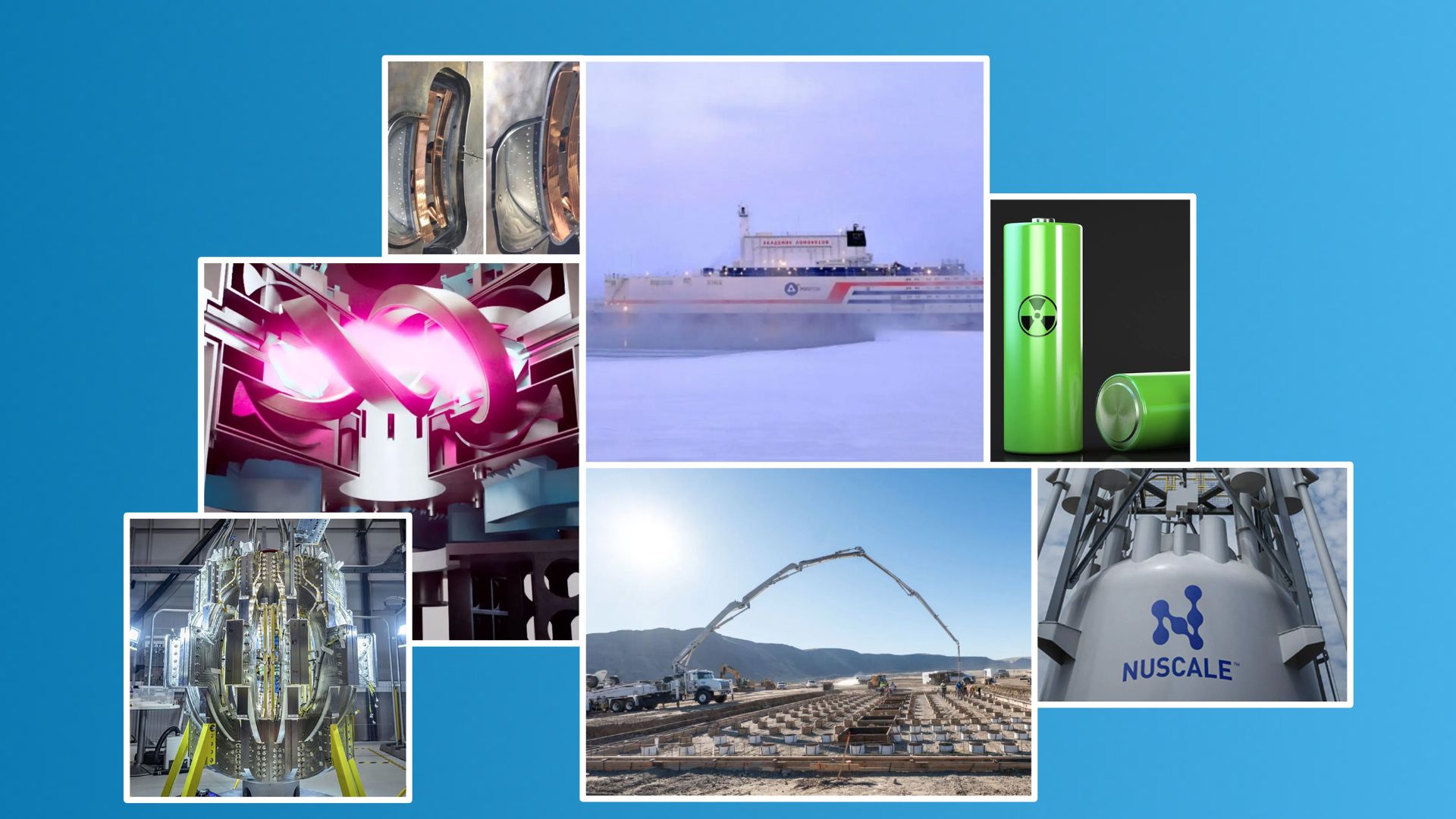
Global developments in nuclear energy took significant strides in 2025, with advancements that promise to reshape the energy landscape. Landmark projects and innovations emerged, including Russia’s ambitious floating nuclear reactors and China’s groundbreaking 100-year battery technology. These stories highlight the ongoing evolution of nuclear energy and its potential role in addressing global energy needs.
Russia’s Floating Nuclear Reactors
In March 2025, Russia launched its first operational floating nuclear power plant, the Akademik Lomonosov. This vessel is designed to provide energy to remote regions and offshore facilities, marking a notable shift in how nuclear power can be utilized. The floating reactor is equipped to supply up to 70 megawatts of electricity, enough to power a city of approximately 100,000 residents. This innovative approach not only addresses energy scarcity in isolated areas but also demonstrates Russia’s commitment to advancing its nuclear technology.
China’s 100-Year Battery Initiative
China made headlines with its announcement of a 100-year battery technology, aimed at revolutionizing energy storage solutions. Set to be commercially available by 2026, this battery promises to store energy generated from renewable sources and nuclear power efficiently. The initiative, backed by significant investments from the Chinese government, is expected to reduce reliance on fossil fuels and enhance grid stability. Analysts suggest that this could be a game-changing development in the global pursuit of sustainable energy.
In addition to these advancements, the International Atomic Energy Agency (IAEA) reported a growing trend in the adoption of small modular reactors (SMRs). These smaller, more flexible nuclear plants offer a viable solution for countries looking to diversify their energy portfolios while maintaining a low carbon footprint. Countries such as the United States, United Kingdom, and France are exploring the implementation of SMRs in their energy strategies.
Global Collaborations and Regulatory Changes
Nuclear energy’s future is not just shaped by technological advancements but also by international collaboration. In early 2025, several nations convened to discuss regulatory frameworks for nuclear energy expansion. The discussions focused on safety standards and waste management, ensuring that new technologies are developed responsibly. These dialogues are crucial in building public trust and ensuring that nuclear power can play a significant role in the global energy mix.
Furthermore, countries that have historically been cautious about nuclear energy are reconsidering their positions. For instance, the United Kingdom announced plans to increase its nuclear capacity by 25% by 2030, reflecting a shift in policy aimed at achieving net-zero emissions.
As the world grapples with climate change and energy demands, the advancements in nuclear energy in 2025 illustrate a critical turning point. The combination of innovative technologies, regulatory frameworks, and international cooperation signifies a renewed commitment to harnessing nuclear power for a sustainable future.
The developments in Russia and China, along with the collaborative efforts among nations, highlight a transformative period in the nuclear energy sector. As these stories unfold, they not only provide insight into technological progress but also underscore the importance of addressing global energy challenges through innovative solutions.