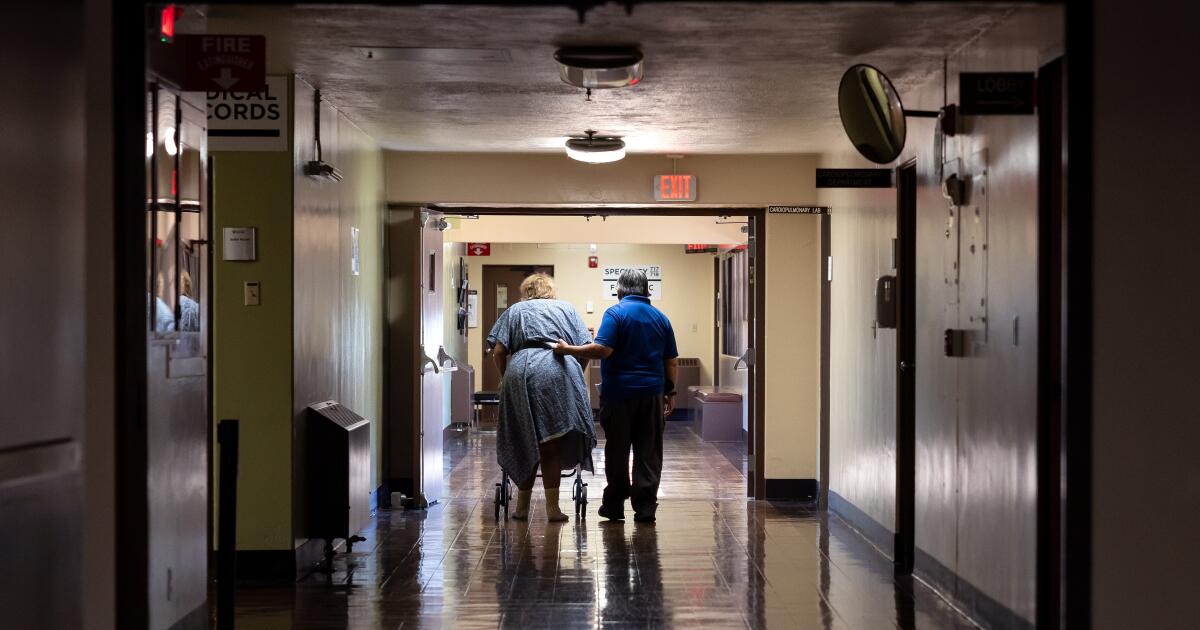
On October 21, 2023, the Glenn Medical Center in Willows, California, closed its doors, leaving residents without access to emergency medical care. This closure marks the end of a hospital that has served the small farming community for over seventy years, raising serious concerns about the health and safety of local residents. Theresa McNabb, a 74-year-old patient, was the last to leave the facility, which had become a vital resource for those in need of urgent medical attention.
As staff wheeled McNabb out on her final day, they faced not only the loss of their jobs but also the realization that their community’s healthcare options had drastically diminished. Many residents, particularly those with limited transportation, now face the daunting prospect of traveling over 30 miles to reach the nearest medical facility, which could lead to delayed or inadequate care.
Impact on Community Health and Economy
The closure of Glenn Medical Center is part of a troubling trend affecting rural hospitals across the United States. In California alone, a study conducted in 2022 revealed that nearly half of the hospitals were operating at a loss. With federal cuts to Medicaid and the Affordable Care Act looming, the situation is expected to worsen. Peggy Wheeler, vice president of policy for the California Hospital Association, described the situation as “the beginning of a tidal wave,” expressing concern that more rural hospitals could soon follow suit.
Glenn Medical’s financial struggles were exacerbated by the federal government’s decision to revoke its “Critical Access” designation, which had previously allowed the hospital to receive higher reimbursement rates. Despite being the only hospital in Glenn County, its proximity to another hospital—just 32 miles away—did not meet the required distance of 35 miles, leading to a significant drop in funding.
Local officials have voiced their fears regarding the implications of the closure. Glenn County Supervisor Monica Rossman warned that the lack of immediate medical care could result in preventable deaths, especially among vulnerable populations such as the elderly. Willows Vice Mayor Rick Thomas emphasized the economic repercussions, stating, “We’ve lost 150 jobs already from the hospital closing,” and expressing concern over the future of local businesses without a hospital to attract new investments.
A Legacy of Care
Since its establishment in November 1950, Glenn Medical has been more than just a healthcare facility; it has been a cornerstone of the Willows community. The hospital has a rich history, having treated generations of residents. As the community’s only hospital, it provided essential services, from emergency care to routine medical treatment.
Despite its struggles, the hospital had made strides in improving patient care in recent years, particularly under the management of American Advanced Management, which acquired the facility after it declared bankruptcy in 2000. However, the recent decision by the Centers for Medicare & Medicaid Services proved to be the final blow for the institution.
As the hospital’s last day came to a close, nurse Amanda Shelton presented McNabb with a sweater, a gesture that reflected the strong bonds formed between staff and patients. “It’s not every day that it will be the last patient I’ll ever have,” Shelton said, highlighting the emotional toll the closure has taken on the healthcare workers. The community’s sense of loss was palpable as staff members reminisced about their time at the hospital, underscoring the deep connections forged over decades of care.
The consequences of this closure extend beyond immediate health concerns. With residents now facing longer travel times for medical care, experts worry that routine health issues may go untreated, leading to more severe health crises in the future. As communities like Willows grapple with the fallout from such closures, the need for sustainable healthcare solutions in rural areas becomes increasingly urgent.
As the community reflects on the loss of Glenn Medical Center, residents like Rose Mary Wampler, who has lived in Willows since 1954, express their fears about the future. “It looks like somebody just shut off the whole city; there’s nowhere to go get help,” she remarked, encapsulating the anxiety felt by many in this small town.
The closure of Glenn Medical Center serves as a stark reminder of the challenges facing rural healthcare systems. As policymakers evaluate the implications of federal funding cuts, the experiences of communities like Willows could inform crucial decisions regarding the future of healthcare access in rural America.