Each September, the editors of IEEE Spectrum compile a forecast highlighting innovative technologies poised to make significant impacts in the coming year. Their recent efforts have spotlighted various projects that, while often overlooked by mainstream technology media, hold promise for solving critical challenges and transforming industries. This year’s selection emphasizes advancements that could enhance energy storage, tackle healthcare issues, and improve disaster response systems.
One of the standout innovations comes from Milan-based Energy Dome, which is developing a novel energy storage system known as a “bubble battery.” This technology can store up to 200 megawatt-hours of energy by compressing and decompressing pure carbon dioxide within an inflatable dome. Senior Associate Editor Emily Waltz travelled to Sardinia to report on this modular and easy-to-deploy solution, which could be particularly beneficial for powering AI data centers.
In addition to large-scale energy solutions, this issue also explores the competition between startups developing radio-based connections for data centers. Senior Editor Samuel K. Moore highlights how these systems can connect processors over distances of 10 to 20 meters while consuming only a third of the power required by traditional optical-fiber cables. Integrating these radio connections with graphics processing units (GPUs) could significantly alleviate cooling challenges, thereby supporting the increasing demands of AI technologies.
Healthcare advancements are also in focus as HistoSonics reports on its noninvasive ultrasound treatment for pancreatic cancer. This aggressive form of cancer, which claims nearly half a million lives annually, is being targeted through the use of cavitation bubbles that destroy tumors without damaging surrounding tissue. The company is concluding kidney trials and is set to launch clinical trials for pancreatic cancer treatments in the near future.
The rise of drone technology continues to unfold, with Zipline leading the charge in rapid medical supply delivery. Initially reported by IEEE Spectrum in 2018, Zipline has since expanded its operations across several countries, including Rwanda, Japan, and the United States. The company now boasts a market capitalization of approximately US $4 billion and has completed nearly 2 million drone deliveries.
This issue also features the Wildfire XPrize competition, which aims to develop innovative methods for detecting and extinguishing wildfires before they escalate. Journalist Robb Mandelbaum examines how participating teams are striving to outperform traditional firefighting techniques, enhancing the effectiveness of wildfire management.
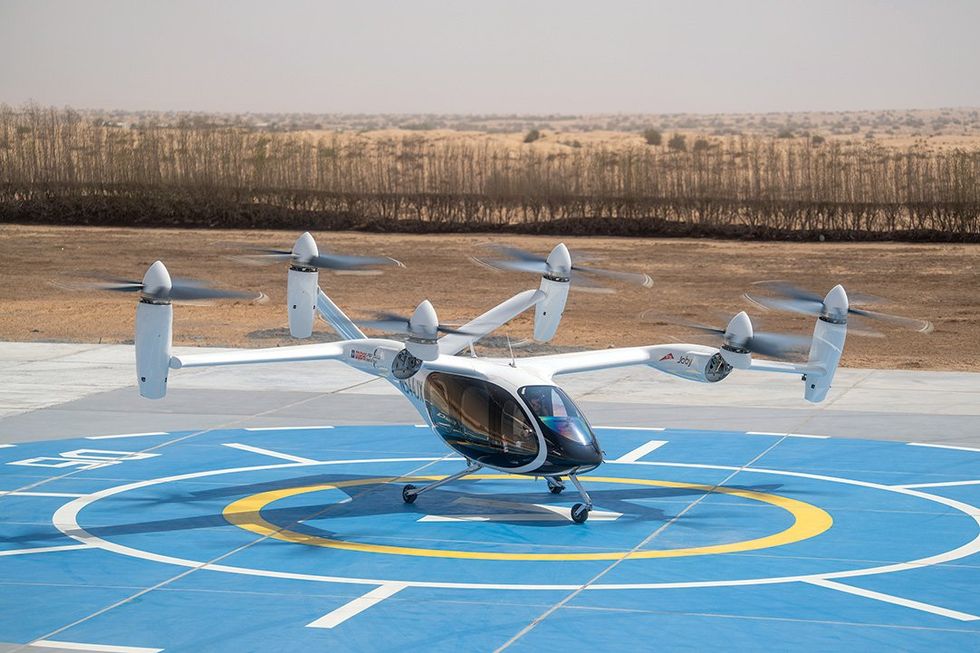
In addition to these highlighted technologies, the issue presents a range of other pioneering projects. Among them are Porsche’s wireless home charger for electric vehicles, the world’s first electric air taxi service, developments in neutral-atom quantum computing, interoperable mesh networks, and even robotic baseball umpires.
The innovations showcased in this edition of IEEE Spectrum illustrate a commitment to advancing technology for the benefit of society. As these groundbreaking projects emerge, it will be intriguing to see which of them make significant strides and become leading solutions in their respective fields over the coming years.