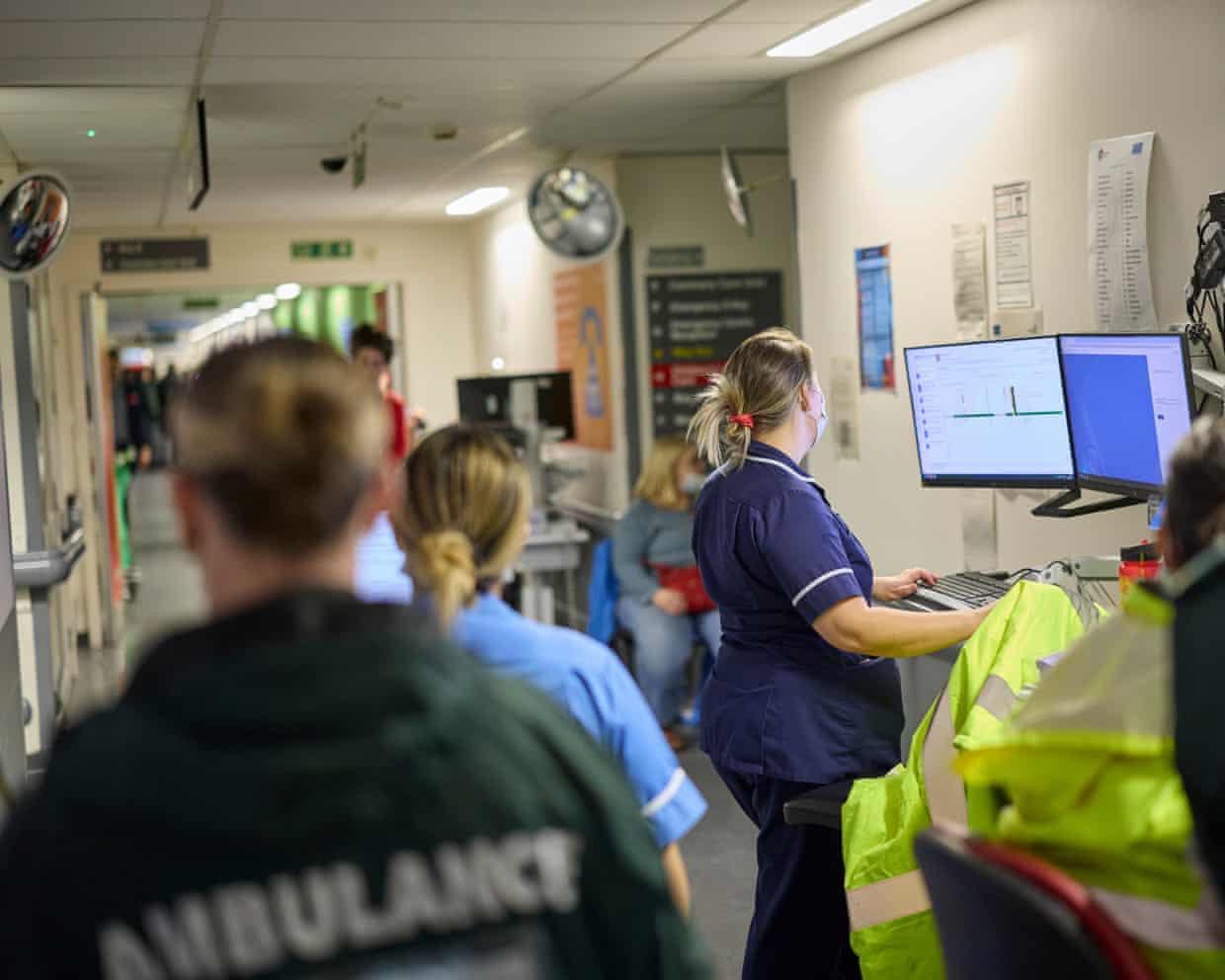
Hospitals across England are implementing artificial intelligence (AI) tools to alleviate pressure on emergency departments this winter. These innovative A&E forecasting systems are designed to predict peak demand, enabling healthcare providers to optimize staffing and bed availability.
The AI forecasting tool utilizes historical data, including weather patterns, school holidays, and flu and COVID-19 infection rates, to estimate the number of patients likely to seek emergency care. By accurately anticipating busy periods, hospitals can allocate resources more effectively. According to Ian Murray, the Minister for Digital Government and Data, this technology empowers healthcare staff to focus on patient care rather than administrative tasks.
Enhancing Emergency Care Through Predictive Analytics
Murray emphasized the importance of the tool, stating, “The front door of the NHS is the A&E department. You’ve no idea how many people will come through the door, although you can have some analytical evidence that Saturday nights might be busier than a Tuesday night.” The predictive capabilities of the AI tool allow hospitals to prepare for seasonal trends, ensuring that additional consultants and nursing staff are available in departments expected to be busiest.
This strategic approach could facilitate quicker patient discharges, thereby freeing up beds for incoming patients. “Early and efficient planning is key to managing busy periods like winter,” said Prof Julian Redhead, the National Clinical Director for Urgent and Emergency Care at NHS England. He noted that new technologies like this AI system can significantly enhance patient care management.
Widespread Adoption and Future Potential
The AI forecasting tool is accessible to all NHS trusts in England, with approximately 50 organizations already utilizing it. Those early adopters have reported positive outcomes in managing patient flow. Murray remarked, “It’s about modernizing the NHS, using the tools to allow clinicians and professionals to do the things that they’re trained to do.”
This initiative is part of Keir Starmer’s AI Exemplars programme, which aims to leverage technology to improve public services. In January, the Prime Minister stated that artificial intelligence would “drive incredible change in our country.”
As winter approaches, the implementation of AI tools in emergency departments presents a promising strategy to enhance the efficiency of the NHS. By focusing on predictive analytics, hospitals can better navigate the challenges posed by increased patient demand during peak seasons, ultimately improving outcomes for those in need of urgent care.