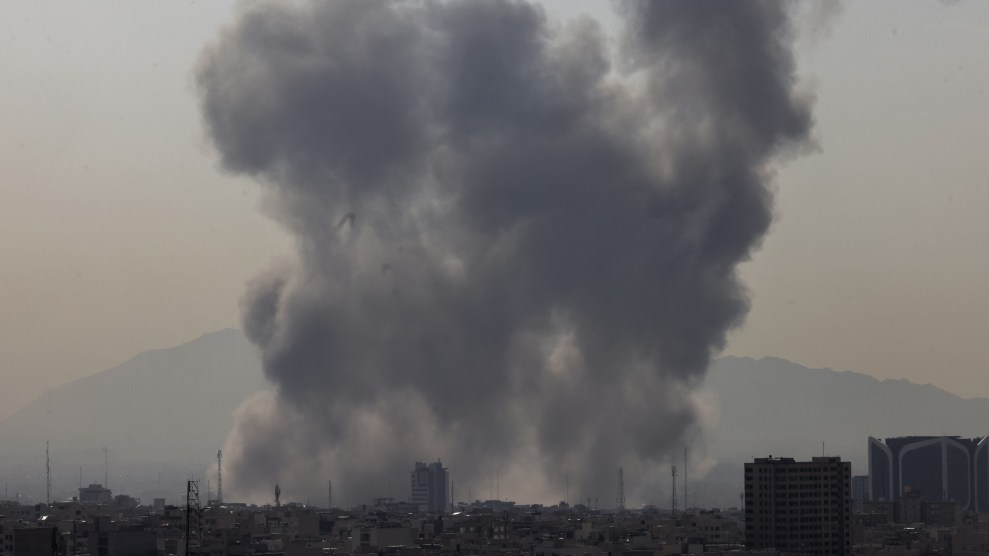
The United States and Israel initiated a significant military offensive against Iran on February 28, 2026, marking a dramatic escalation in tensions following stalled negotiations concerning Iran’s nuclear program. This coordinated attack has prompted retaliatory strikes from Iran, targeting American military installations and allied nations throughout the region.
The extent of casualties remains uncertain. Iran’s state-run Islamic Republic News Agency (IRNA) has reported substantial losses, including dozens of fatalities at a girl’s school due to the strikes; however, this report has not been independently verified. In addition, a ballistic missile launched by Iran reportedly killed one person in the United Arab Emirates due to falling debris.
Official Statements and Reactions
President Donald Trump confirmed the military actions in an eight-minute video posted on Truth Social, characterizing the Iranian regime as a “vicious group of very hard, terrible people.” He described the operation as “major combat activities” and acknowledged the potential risks to US personnel, stating, “the lives of courageous American heroes may be lost and we may have casualties. That often happens in war.” Trump urged the Iranian people to “take over their government,” referencing ongoing anti-government protests that have faced severe repression.
According to the Human Rights Activists News Agency, Iranian forces have killed over 7,000 individuals amid protests as of February 11, with tens of thousands more detained. Trump highlighted these atrocities in his address, blaming Iran for the collapse of nuclear negotiations. He asserted, “They rejected every opportunity to renounce their nuclear ambitions, and we can’t take it anymore.”
Badr Albusaidi, the Omani Foreign Minister, who had been mediating discussions prior to the escalation, expressed his dismay over the situation. He stated on social media, “Active and serious negotiations have yet again been undermined. Neither the interests of the United States nor the cause of global peace are well served by this. I pray for the innocents who will suffer. I urge the United States not to get sucked in further. This is not your war.”
Global Reactions and Human Impact
Responses from global leaders aligned with the United States have varied. Canada and Australia have voiced support for the attacks, while a joint statement from the United Kingdom, France, and Germany expressed criticism of Iran’s nuclear policies and its violent repression of dissent. This trio of nations refrained from endorsing the military strikes directly, stating, “We did not participate in these strikes, but are in close contact with our international partners.” They reiterated their commitment to regional stability and civilian protection.
As the conflict escalates, civilians in the region are seeking safety. An engineer living in Tehran conveyed the atmosphere of fear in a text to the New York Times: “My children are crying and scared. We are huddling in the bathroom. We don’t know what to do. This is terrifying.”
The situation remains fluid as military operations continue, and the humanitarian impact is already being felt. The international community watches closely, hoping for a resolution that prevents further loss of life. As tensions rise, the potential for broader conflict looms, prompting urgent calls for diplomatic engagement amid the chaos.