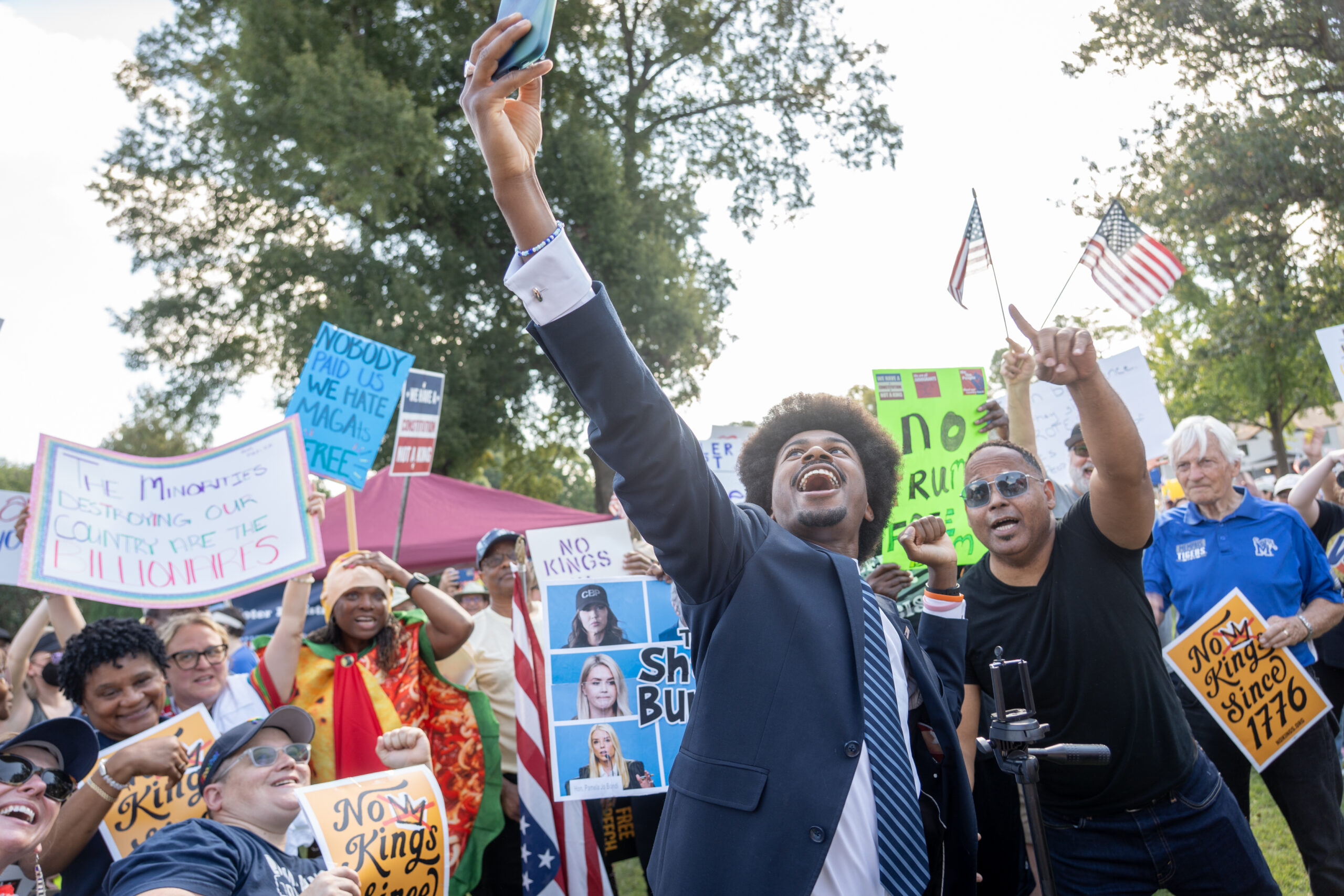
A significant generational divide is causing unrest within the Congressional Black Caucus, as younger members advocate for a transformative approach to leadership. This internal conflict centers around the effectiveness of established members who have been part of the political landscape for decades.
Tennessee state representative Justin Pearson voiced his concerns during a recent event, stating, “You cannot be a part of the system for 40 years and also be the one who’s going to change it for the next 40.” His remarks reflect a growing sentiment among younger lawmakers who feel that the existing leadership may be out of touch with the current needs and challenges facing their constituents.
Calls for Change and New Perspectives
The Congressional Black Caucus, established in 1971, has long been a platform for advocating the interests of African Americans in the U.S. Congress. However, as the political landscape continues to evolve, younger members are increasingly questioning whether the traditional methods of engagement remain effective.
Pearson’s statement highlights a broader debate about the need for new voices in leadership. Many younger representatives believe that their experiences and perspectives are vital for addressing contemporary issues such as systemic racism, economic inequality, and social justice. They argue that fresh leadership can bring innovative solutions to longstanding problems.
This tension is not just limited to the caucus. It reflects a nationwide trend where younger generations are demanding change within political institutions. They seek to challenge the status quo and implement reforms that resonate with their constituents, particularly younger voters who prioritize issues like climate change and economic opportunity.
Impact on Future Policies
As discussions continue, the implications of this generational divide could significantly impact legislative priorities and strategies moving forward. The younger members of the caucus are pushing for policies that are more inclusive and representative of a diverse electorate.
For instance, issues such as affordable housing, education reform, and healthcare accessibility are at the forefront of their agenda. The challenge, however, lies in bridging the gap between the established leadership and younger lawmakers who are eager to drive change.
The ongoing dialogue within the Congressional Black Caucus serves as a microcosm of broader societal shifts. As younger leaders assert their influence, the balance of power within the caucus may shift, potentially leading to a new era of policy-making that prioritizes the voices of a younger demographic.
In conclusion, the rift over generational change in the Congressional Black Caucus underscores a critical moment in American politics. As younger members advocate for a more progressive agenda, the future of the caucus—and its ability to address the needs of its constituents—hangs in the balance.