








































The ongoing debate over presidential warmaking powers is poised to escalate, with potential implications that could reach the Supreme Court. This comes as Congress considers a resolution to invoke the **War Powers Resolution** in response to President **Donald Trump’s** recent military actions in **Iran**. These actions have been undertaken without congressional authorization or evidence of an imminent threat, raising significant legal and constitutional questions.
The **War Powers Resolution**, enacted in **1973**, stipulates that the President can only engage U.S. Armed Forces in hostilities under specific circumstances, including a declaration of war or a national emergency triggered by an attack on the United States. Critics argue that this legislation has been circumvented by successive administrations, particularly by those aligned with conservative ideologies.
The issue of presidential authority was highlighted during the **2006** confirmation hearing of **Samuel Alito**, where then-Senator **Joe Biden** pressed Alito on the extent of a President’s power to engage in military actions without congressional consent. Alito acknowledged that the President has the authority as commander in chief but noted that the legality of such actions often remains ambiguous.
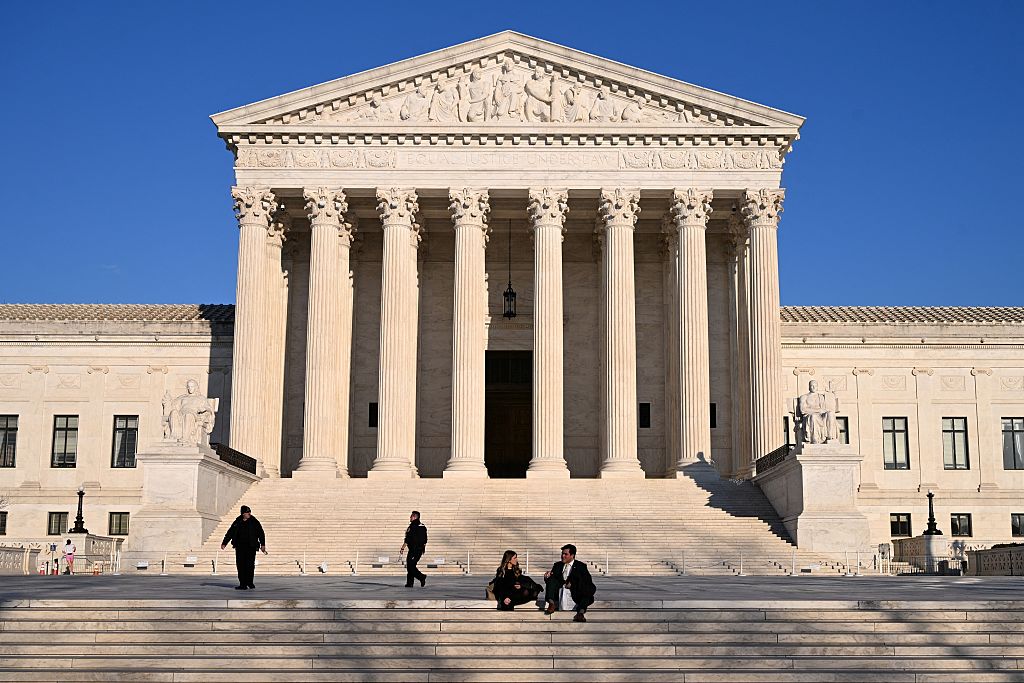
As Congress prepares to vote this week on a resolution aimed at limiting Trump’s military campaign, legal experts are voicing concerns that any conflict over these powers could ultimately lead to a Supreme Court case. Such a case could provide a significant opportunity for conservative justices to reinterpret the balance of powers regarding military action, potentially undermining Congress’s ability to impose checks on executive authority.
Strongly opposing the War Powers Resolution, Chief Justice **John Roberts** has previously articulated views that favor expansive presidential powers. In a **1984** memo, Roberts recommended that the Reagan administration should resist any legislation that acknowledged Congress’s role in military operations, asserting that such acknowledgment could undermine executive power.
In his confirmation hearings, Roberts avoided directly answering whether Congress could halt a war, suggesting that the answer depends on specific circumstances. This evasiveness reflects a broader trend among conservative justices, including **Brett Kavanaugh**, who has expressed conflicting views on the judicial enforcement of wartime constraints.
Justice **Clarence Thomas** has also emphasized the President’s predominant role in national security, arguing in a **2004** dissent that the Constitution grants the President significant discretion over foreign affairs. This perspective aligns with the unitary executive theory, which posits that the President retains ultimate control over the executive branch and military decisions.
The implications of these legal interpretations are profound, especially as Trump faces increasing scrutiny over his military actions in Iran, which have reportedly resulted in significant civilian casualties. The potential for judicial intervention raises questions about the future of congressional oversight and the ability to hold the executive accountable for military decisions.
As Congress deliberates, the stakes are high. The decisions made in the coming days could establish a precedent that either reinforces or diminishes Congress’s role in matters of war and peace. The evolving situation underscores the need for vigilance in protecting democratic processes and ensuring accountability in governmental actions.
In this critical moment, both the legislative and judicial branches will play essential roles in defining the limits of executive power and the responsibilities of elected officials in matters of national security.
























