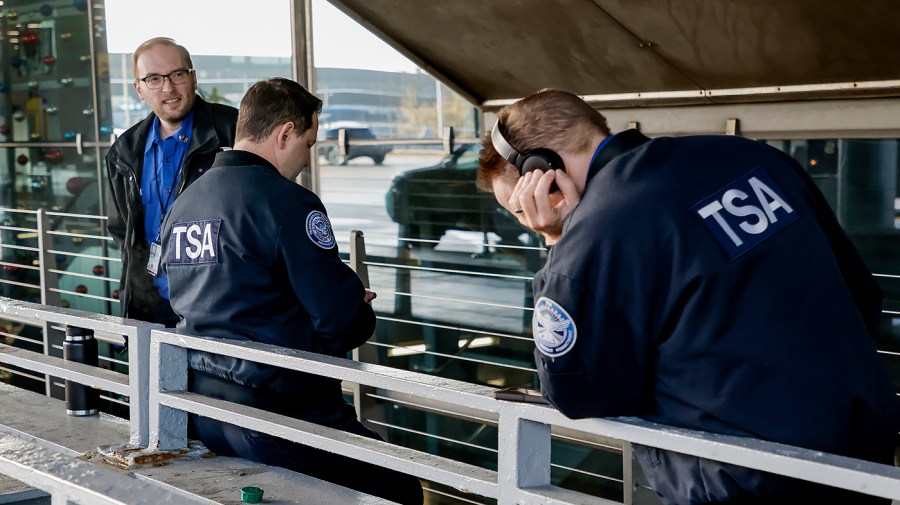
The standoff over funding for the Department of Homeland Security (DHS) continues as lawmakers in the United States have failed to reach an agreement. This impasse has resulted in reduced paychecks for federal employees, with the first lower payments issued on September 29, 2023. As the government shutdown now enters its second week, the situation remains unresolved, raising concerns for those reliant on the agency’s operations.
The funding dispute has persisted for over a month, driven by differing priorities among lawmakers in Congress. While some members advocate for increased funding for border security, others emphasize the need for broader domestic initiatives. This lack of consensus has left the DHS in a precarious position, impacting its ability to carry out essential functions.
As of September 30, 2023, the shutdown has affected thousands of federal employees. The situation is particularly troubling for those who rely on their full salaries to support families and meet financial obligations. The federal workforce is feeling the strain, with many expressing frustration at the political deadlock.
President Joe Biden has urged Congress to prioritize funding for the DHS, emphasizing the importance of maintaining national security and public safety. The administration has highlighted that prolonged inaction could lead to significant disruptions in services, affecting both employees and the general public.
Congressional Dynamics and Future Implications
The dynamics in Congress reflect a broader struggle over federal budget priorities. The House of Representatives and the Senate have been at loggerheads, with neither side willing to compromise. This has resulted in a stalemate that has serious implications for not only the DHS but also other federal agencies that depend on timely funding.
Lawmakers are facing mounting pressure from constituents who are concerned about the ramifications of an extended shutdown. As the deadline for funding approaches, the urgency for a resolution becomes increasingly critical. Both sides must navigate their respective party lines while considering the welfare of federal workers and the potential impacts on national security.
The inability to resolve the funding impasse may have ripple effects beyond the DHS. Other government services are also at risk, and the longer the deadlock lasts, the more severe the consequences may become for the general public. This situation highlights the challenges inherent in the American political landscape, where partisanship often hampers effective governance.
As discussions continue, the clock is ticking. Federal employees are left waiting for clarity regarding their paychecks and job security, while lawmakers must grapple with the need for a bipartisan solution to avoid further disruption. The stakes are high, and the outcome of this funding battle will undoubtedly shape the future of not only the DHS but also the broader federal landscape.