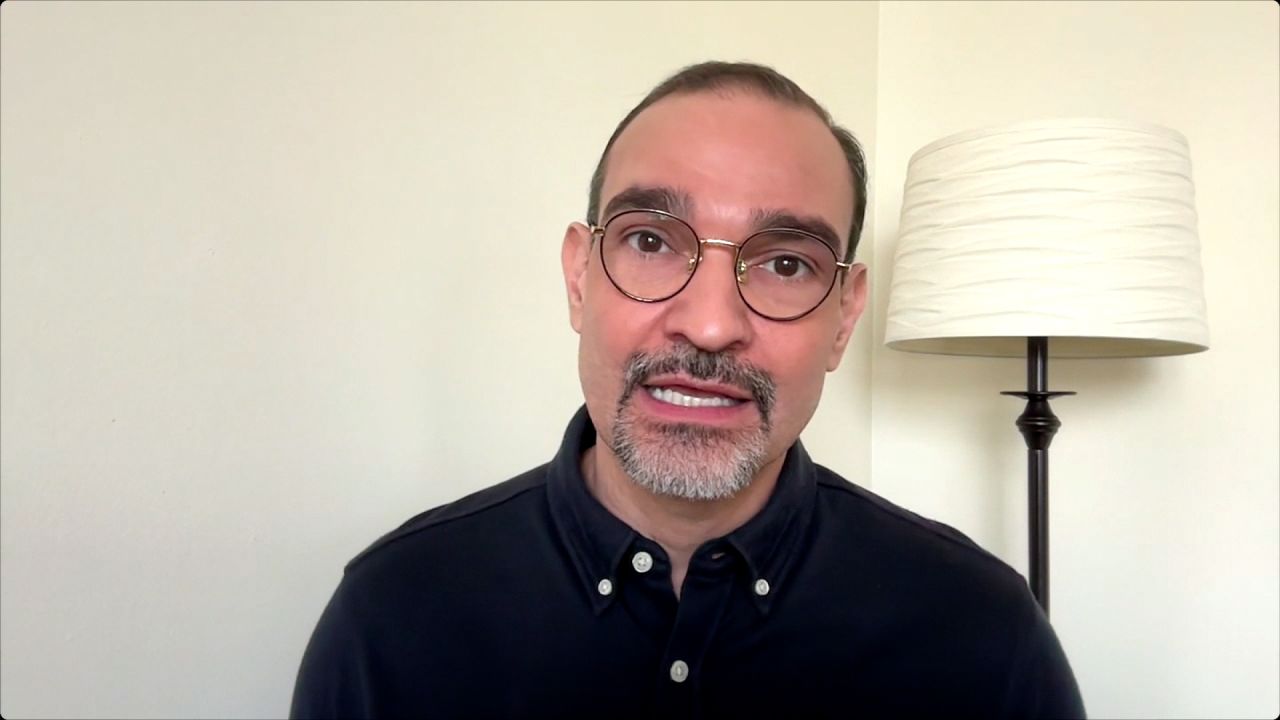
The Pentagon recently announced a pause in initial training for military recruits living with HIV, prompting strong criticism from activist and Broadway actor Javier Muñoz. In an interview with CNN reporter Danny Freeman, Muñoz described the decision as conveying a message “rooted in bigotry and discrimination” towards those affected by the virus.
Muñoz emphasized that this policy reflects outdated perceptions of HIV and its impact on individuals. He asserted that the military’s stance not only undermines the capabilities of recruits living with HIV but also perpetuates harmful stigmas associated with the virus. He argued that such actions are counterproductive in a society striving for inclusivity and equality.
In his conversation with Freeman, Muñoz pointed out that advancements in medical treatment have significantly changed the landscape for those living with HIV. “People with HIV can serve effectively and competently. This policy ignores the reality of medical progress,” he stated. His remarks highlight a growing frustration among activists regarding the military’s approach to health and inclusivity.
The Pentagon’s decision comes amid broader discussions about health policies affecting service members. It raises critical questions about how the military accommodates recruits with various health conditions, particularly those living with chronic illnesses such as HIV. The timing of the announcement, now in 2023, makes it all the more relevant as societies increasingly recognize the importance of diversity and representation across all sectors.
Muñoz underscored the need for the military to reevaluate its policies, suggesting that a more inclusive approach could enhance the armed forces’ effectiveness. He pointed out that individuals living with HIV can perform their duties just as well as their counterparts without the virus. Furthermore, he noted that this policy could deter potential recruits who might otherwise contribute significantly to the military.
The backlash against the Pentagon’s decision highlights a crucial moment for advocacy in the realm of public health and civil rights. Many organizations are now rallying to support Muñoz and others who challenge discriminatory practices that marginalize individuals based on health conditions.
In light of this controversy, Muñoz’s voice serves as a reminder of the ongoing struggle against stigma surrounding HIV. As discussions continue about the military’s policies, advocates hope that the Pentagon will reconsider its stance and adopt a more progressive view that aligns with contemporary medical advancements and societal expectations.
The implications of this decision stretch beyond the military, reflecting broader societal attitudes towards individuals living with HIV. Activists argue that progress can only be made through open dialogue and a commitment to dismantling prejudices that hinder equality.
Ultimately, Muñoz’s critique of the Pentagon’s approach may catalyze further examination of health policies within the military, potentially leading to more informed and equitable practices. The need for change is evident, and as discussions unfold, the hope is that a more inclusive future can be realized for all service members.